Tag Archives: conservation easement

NPC Conserves 116 Acres in Lycoming County

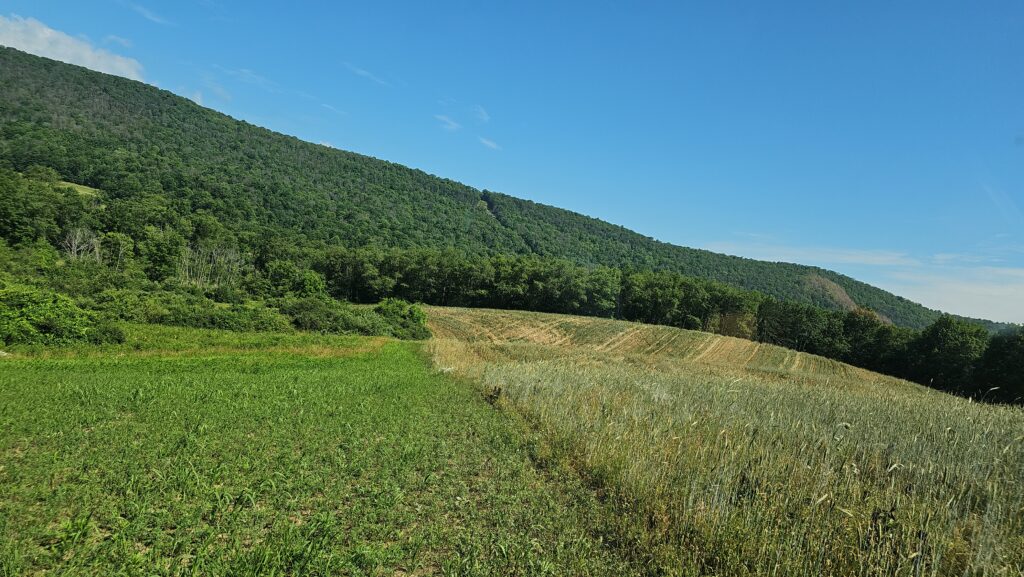
The Northcentral Pennsylvania Conservancy (NPC) recently accepted the donation of a conservation easement from Robin Read and John Bierley. Located near Hughesville, the 116-acre property features a scenic blend of forest, open fields, and sweeping views that reflect the land’s natural balance and beauty.

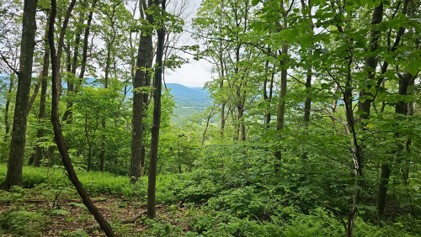
Read and Bierley purchased the property in 1997, drawn immediately to its open spaces and expansive view of the West Branch Susquehanna Valley. Over time, their connection deepened, not just to the landscape itself, but also to the responsibility of caring for it intentionally.
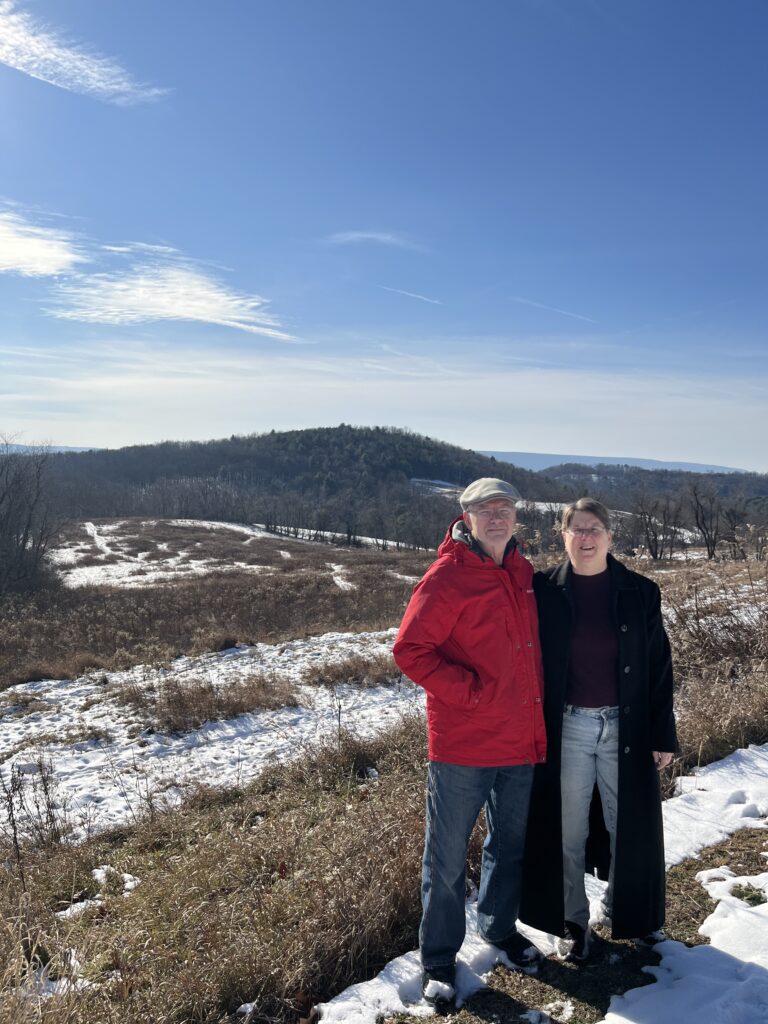
John Bierley and Robin Read donated a 116-acre conservation easement to the Northcentral Pennsylvania Conservancy (NPC).
A Seed Planted Long Ago

The idea of conserving the land took root years before the conservation easement was finalized. More than two decades ago, Read attended an event where she met NPC’s Executive Director, Renee’ Carey. That conversation left a lasting impression, planting the idea of land conservation in her head and her heart.

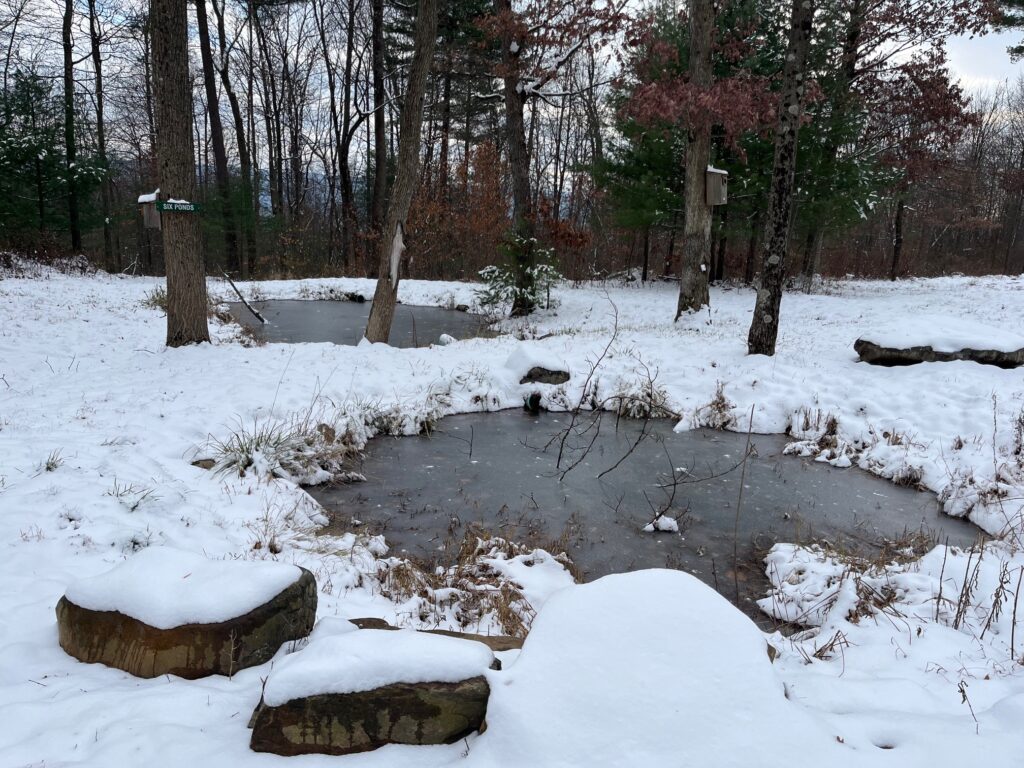
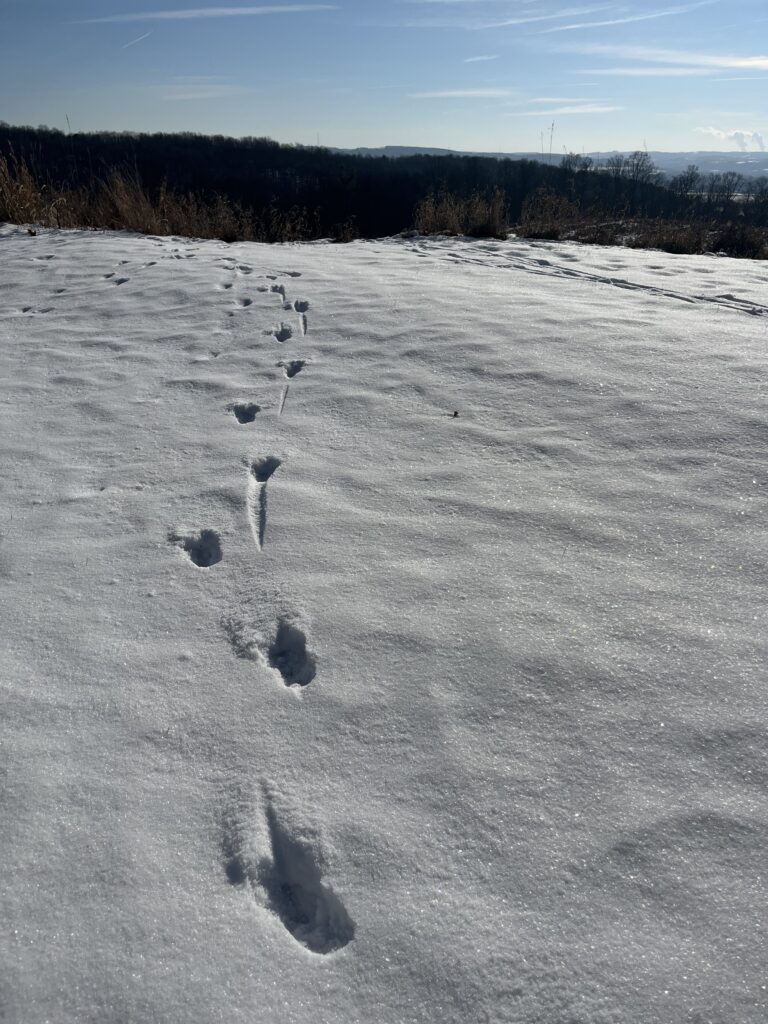
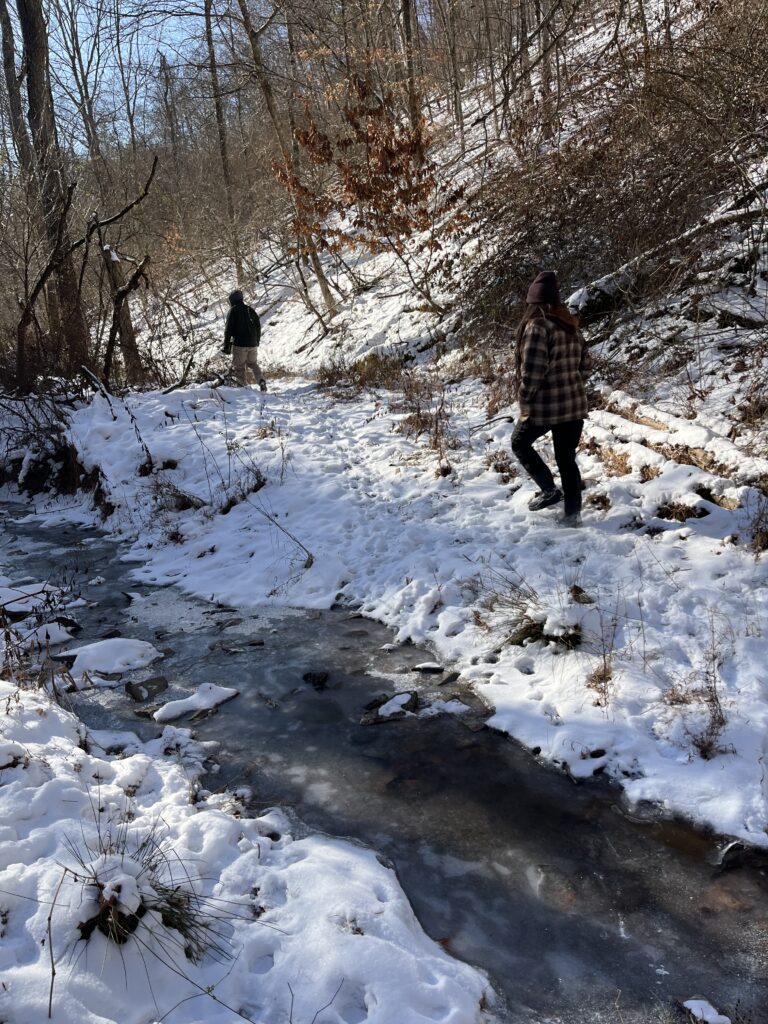
Read and Bierley’s respect for the land and the wildlife that share it is evident throughout the property. Walking the land reveals a mix of hardwoods and softwoods, wildlife tracks zigzagging through the woods and fields, and a thoughtfully tended pollinator meadow providing year-round food and habitat. A pond nestled on the property serves as a reliable watering hole for wildlife and unnamed tributaries wind through the valley below the woods, flowing onward to Muncy Creek and the West Branch Susquehanna River. These features all work together to benefit the wildlife, downstream waters, and broader community.
A Thoughtful, Deliberate Process

For Read and Bierley, the choice to conserve the land was also shaped by a powerful example close to home. After a neighboring landowner passed away, his property was subdivided for development. This outcome reinforced their desire to act intentionally. Read did not want to have any regrets, sharing, “Conserving the land was something I’ve wanted to do for a while now. I’d often think while packing for a trip, ‘what happens to our land if something happens to us?’ Now I know our land is conserved. It’s a relief. I’ll be more at ease when planning our next vacation.”

When reflecting on her experience working with NPC, Read added that, “It was not a difficult process, but it was a long one. There was a lot to consider, but now that it’s done I feel at peace and grateful.” 

This conservation easement represents Read and Bierley’s thoughtful commitment to the land and the community around it. With the continued support of NPC members and donors, NPC is able to work alongside landowners to shape a lasting future for the lands, waters, and wildlife that define Northcentral Pennsylvania.
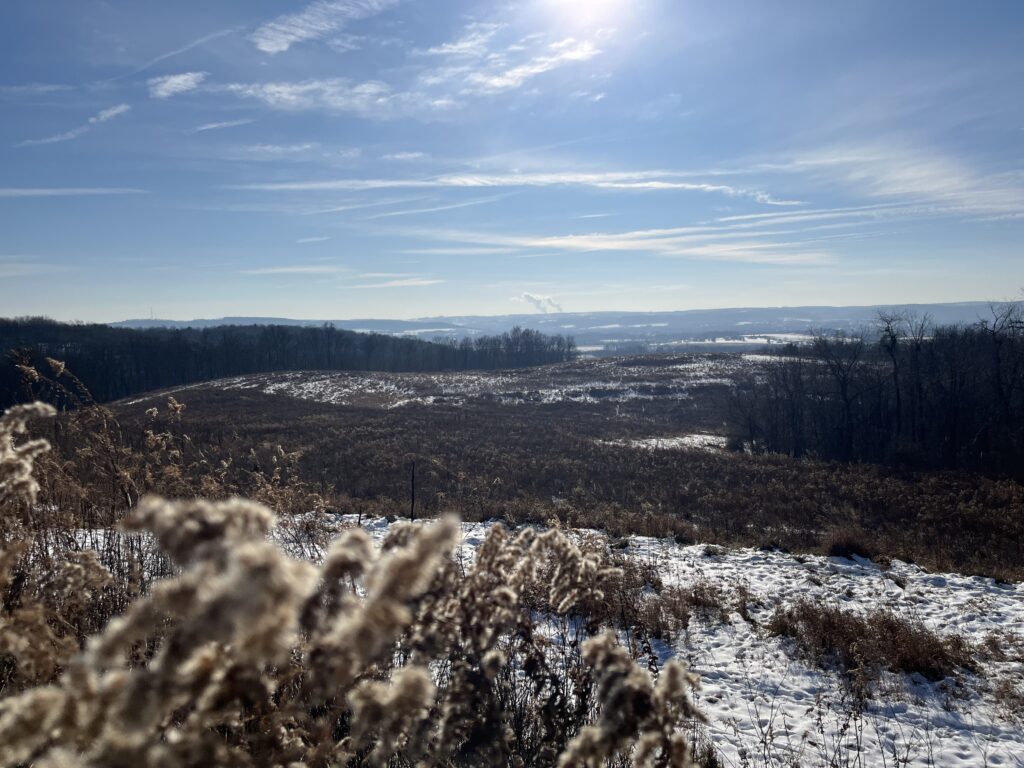
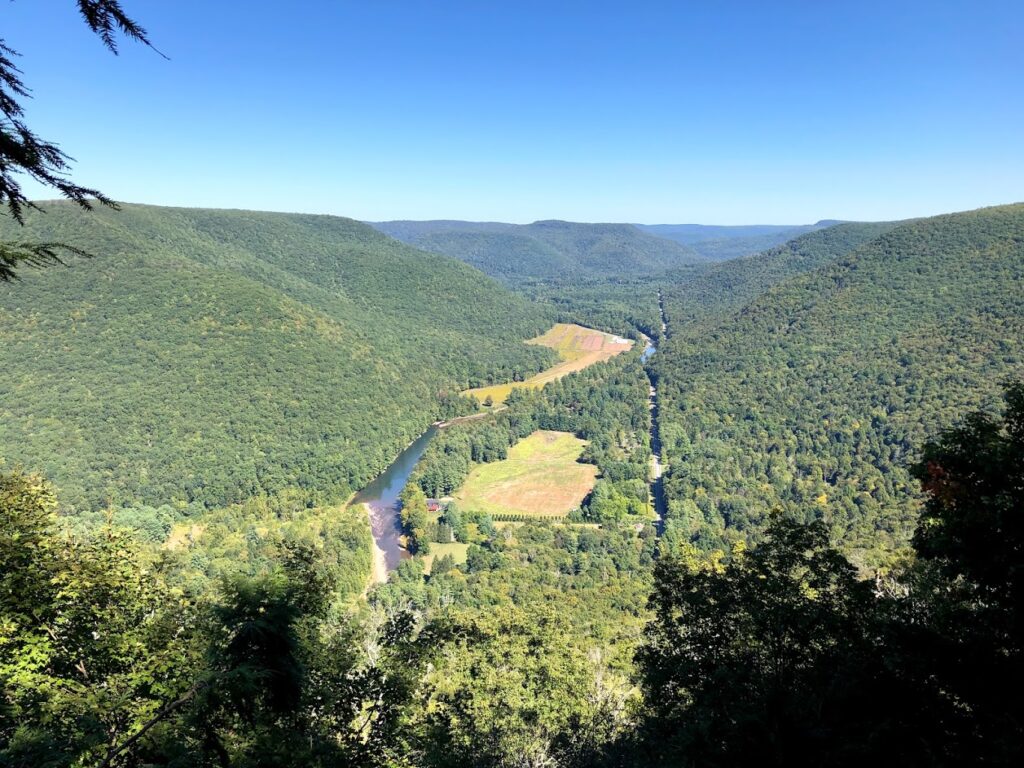
The conservation easement, affectionately named Quiet Spirit by the couple, overlooks the West Branch Susquehanna Valley.
Learn More

If you are inspired by Read and Bierley’s story and want to learn more about NPC’s conservation projects and programs, we invite you to visit www.npcweb.org or contact the staff directly at 570-323-6222.

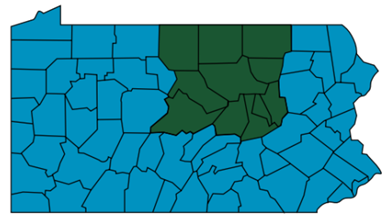
The Northcentral Pennsylvania Conservancy (NPC) is a local land trust dedicated to conserving and enhancing the lands and waters of Northcentral PA. They have helped gain and enhance recreational access to some of the area’s most beloved outdoor destinations – including the Loyalsock Trail, Pine Creek Rail Trail, as well as the West Branch of the Susquehanna River. Moreover, their ongoing streambank stabilization projects have contributed significantly to the restoration of the region’s water resources. With the support of their members, NPC has conserved over 12,000 acres for the environmental well-being of our communities across a 12-county area. To learn more about NPC’s initiatives and how you can help make a difference, please visit their website at www.npcweb.org.   
NPC Conserves 230 Acres on the Snyder-Mifflin County Line

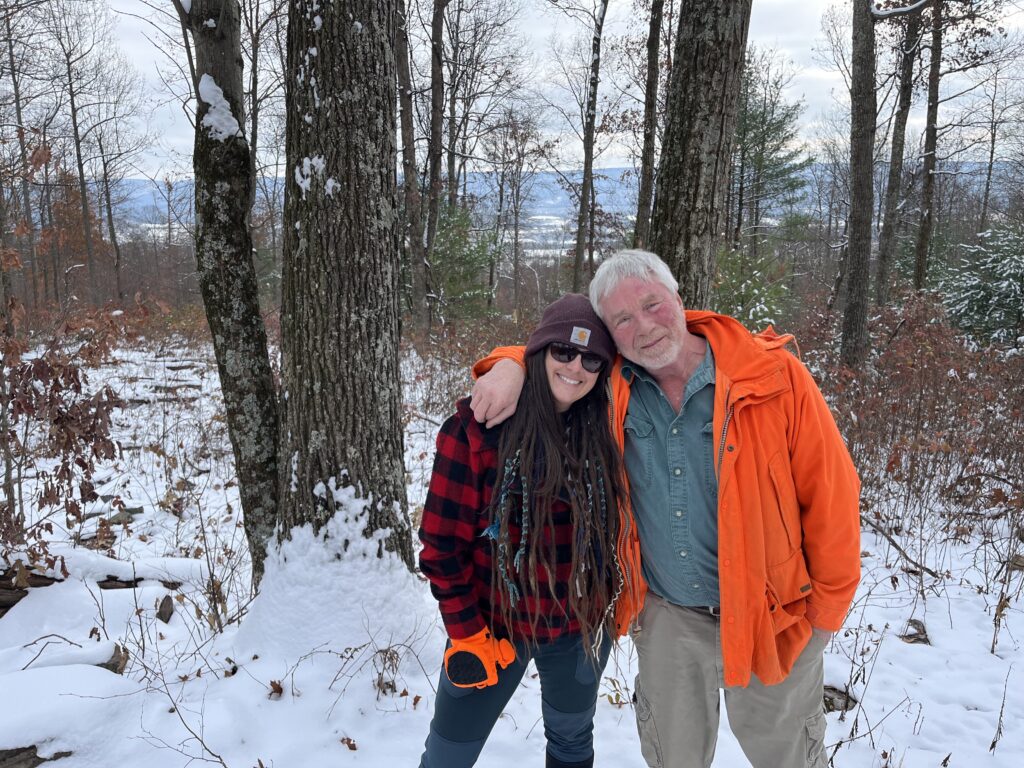
The Northcentral Pennsylvania Conservancy (NPC) recently accepted the donation of a 230-acre conservation easement in Snyder and Mifflin Counties. NPC is a regional land trust conserving and enhancing the lands and waters in a 12-county area. NPC partnered with the landowner, Allen Jones, to establish the conservation easement. The property, aptly named Stillwater for its many ponds and wetlands, highlights how a forest, when cared for, benefits everyone. 

Allen Jones and NPC Land Steward Sara Schlesinger at the Stillwater conservation easement, marking a shared commitment to conservation.
A Lifelong Bond with the Land 

Jones’ bond with the land runs deep. Growing up in Snyder County, he spent countless hours exploring the woods, learning nature’s rhythms and cultivating a love for wildlife. While his classmates studied farming in their high school agricultural class, Allen focused on wildlife habitat. These early experiences helped shape his passion for the woods and the animals that call them home. 

Jones purchased the land for his homestead in 1988, and years later had the opportunity to acquire the surrounding acreage – including the forest where he harvested his first deer at age 12. However, his vision went far beyond himself. He wanted to create “a paradise for man and beast,” where friends could hike and hunt, children could explore and learn, birds could rest during migration, and wildlife could roam freely throughout a healthy forest. 

Caring for the Land 

In order to bring his vision to life, Jones worked with a forester to develop a Forest Management Plan. For more than a decade, he has restored the forest by addressing the history of heavy logging on the land and controlling invasive species like stilt grass. He created spaces for new growth and planted native trees, including oak and maple. Fallen logs and brush were left to provide wildlife cover and protect seedlings, while deer populations were monitored to ensure forest regeneration. Jones established a nut orchard with almond, American chestnut, hazelnut, and pawpaw trees, providing additional food and habitat. Stewardship required patience, persistence, and sometimes difficult choices, but his dedication created a thriving, resilient forest. 

Stillwater is also alive with water and wetlands. Springs flow from neighboring Bald Eagle State Forest through the property leading to Jack’s Creek, a state-designated Cold Water Fishery, that connects to the Juniata and Susquehanna Rivers. Ponds and wetlands host wood frogs and other amphibians, while 40 bluebird houses and a scattering of wood duck nesting boxes provide homes for migratory and local birds. Each spring, local youth groups explore the vernal pools, connecting the next generation to nature. 

Conserving for the Future 

For Jones, conserving Stillwater was the natural next step, stating “I felt like my work was done, and it was time to conserve it for the future.” After some careful research, he connected with NPC Land Steward, Sara Schlesinger. Their shared interests of hunting and the outdoors quickly turned a conversation into collaboration. “It’s been a joy. Sara at NPC has been great to work with right from the start,” Allen added. 

This conservation easement reflects not only Jones’ dedication, but also the support of NPC members. Through the generosity and commitment of members and donors, NPC can partner with people to conserve the landscapes, waters, and wildlife that define Northcentral Pennsylvania. 

For landowners considering a conservation easement, Jones offered the following advice: “If you want to conserve your land and life’s work, do it now. A conservation easement with NPC is a means to pass on something you love for future generations. And consult with a forester to get a plan together – it makes all the difference.” 

Learn More 

If you are inspired by Jones’s journey and want to learn more about NPC’s conservation projects and programs, we invite you to visit www.npcweb.org or contact the staff directly at 570-323-6222. 

The Northcentral Pennsylvania Conservancy (NPC) is a local land trust dedicated to conserving and enhancing the lands and waters of Northcentral PA. They have helped gain and enhance recreational access to some of the area’s most beloved outdoor destinations – including the Loyalsock Trail, Pine Creek Rail Trail, as well as the West Branch of the Susquehanna River. Moreover, their ongoing streambank stabilization projects have contributed significantly to the restoration of the region’s water resources. With the support of their members, NPC has conserved over 12,000 acres for the environmental well-being of our communities across a 12-county area. To learn more about NPC’s initiatives and how you can help make a difference, please visit their website at www.npcweb.org.    
Forest Conservation Continues: NPC Finalizes 109-Acre Conservation Easement in Lycoming County

The forested slopes of the 109-acre ‘Edelwald’ conservation easement in Lycoming County.

This spring, the Northcentral Pennsylvania Conservancy (NPC) worked with landowners Jim and Cheryl Redmond to complete a conservation easement on their 109-acre property in Lycoming County. For nearly 40 years, Jim and Cheryl have cared for this land with the goal of conserving it for the future. They first contacted NPC more than a decade ago, and in early 2024, when they began making long-term plans, they returned knowing NPC would be a reliable partner.

A ‘Noble Forest’ on the Slopes of Batys Mountain

The Redmonds affectionately named their property Edelwald, which means “noble forest” in
German. It’s a name that fits well. The land sits on the south side of Batys Mountain and is home
to a healthy mix of oak, hickory, and maple trees, along with patches of Eastern hemlock and
white pine. Two open fields are maintained as meadows, offering space for wild turkeys, ground
nesting birds, and other wildlife. A small stream, Dubois Hollow Run, begins on the property and
flows into Lycoming Creek, before it joins the West Branch Susquehanna River.

Adding to a Growing Conservation Landscape

This property adds to a growing network of conserved lands in the region. It borders State Game
Lands 133 and is close to Loyalsock State Forest and several other properties NPC has helped
conserve. With its forested slopes visible from Rose Valley Road, Edelwald is a quiet but
powerful reminder of the value of conserving land.

“The Edelwald conservation easement is important, not just because of its size or where it’s
located, but because it connects key stretches of forest,” said Sara Schlesinger, NPC’s Land
Steward. “Conserving land like this helps wildlife move freely and helps keep our waters
healthy. We’re so grateful to Jim and Cheryl for their dedication to this land.”

Member Support Makes It Possible

This conservation easement was made possible through the ongoing support of NPC’s members and partners. Their commitment helps conserve land, improve water quality, and strengthen partnerships that shape the future of northcentral Pennsylvania. To help continue this work, please consider donating today and make a difference in our region’s conservation efforts.

Learn More

If you’re inspired by the Redmonds’ journey and want to learn more about how a conservation easement can conserve your land, we invite you to visit the NPC website. There, you’ll find resources and information to help guide you through the process. You can also contact NPC’s Land Steward, Sara Schlesinger, directly, at sschlesinger@npcweb.org or 570-323-6222.

Conservation Options for Your Land

Northcentral Pennsylvania is a special place, with open spaces, abundant natural resources, and a remarkable history.  As our region changes, it is important to maintain balance between growth and conservation. This requires thoughtful action to make sure future generations will have access to these precious natural resources. Landowners may face choices such as subdivision, gas development, and taxes, but Northcentral Pennsylvania Conservancy (NPC) offers conservation options that can balance land conservation with financial goals.

About NPC

NPC is dedicated to conserving the lands and waters across a 12-county region. With support from members and donors, NPC works to enhance the environmental and recreational needs of local communities.

NPC offers three primary options for landowners who want to conserve their land:

  • Conservation Easement
  • Donation of Property
  • Partnered Acquisition

Conservation Easement

A Conservation Easement is a voluntary, legal agreement between a landowner and a land trust that permanently conserves a property while keeping it in private ownership. This ensures that specific uses, such as farming, forestry, and habitat improvement, are conserved. The easement is permanent and applies to future owners. 

FAQs About Conservation Easements

  • What kind of property can be conserved? NPC works with the landowner to identify conservation values such as woods, wetlands, farmland, stream frontage, and scenic areas.
  • Are there property size requirements?  No. There are not minimum or maximum size requirements. NPC evaluates each property individually.
  • Does the easement require public access? No. Public access is optional and depends on the landowner’s preferences.
  • How long does the process take? Typically, 6 months or more, depending on legal reviews and other factors.  

There are costs related to the donation of a conservation easement. NPC’s staff can assist you in determining what costs may apply to your situation. 


Property Donation 

Donating property to NPC may be ideal for some landowners. NPC assesses the land’s conservation value and may either retain or sell the property.

If NPC retains ownership, the property may be managed for forest health, water quality, and possibly recreation. If NPC sells the property, it would be to a private individual or a public organization for public use. Sales, often subject to a conservation easement, fund further conservation efforts.


Partnered Acquisition

In some cases, NPC can facilitate the transfer of property to a public organization, such as the Bureau of Forestry or the PA Game Commission. This may involve NPC acting as an interim owner.

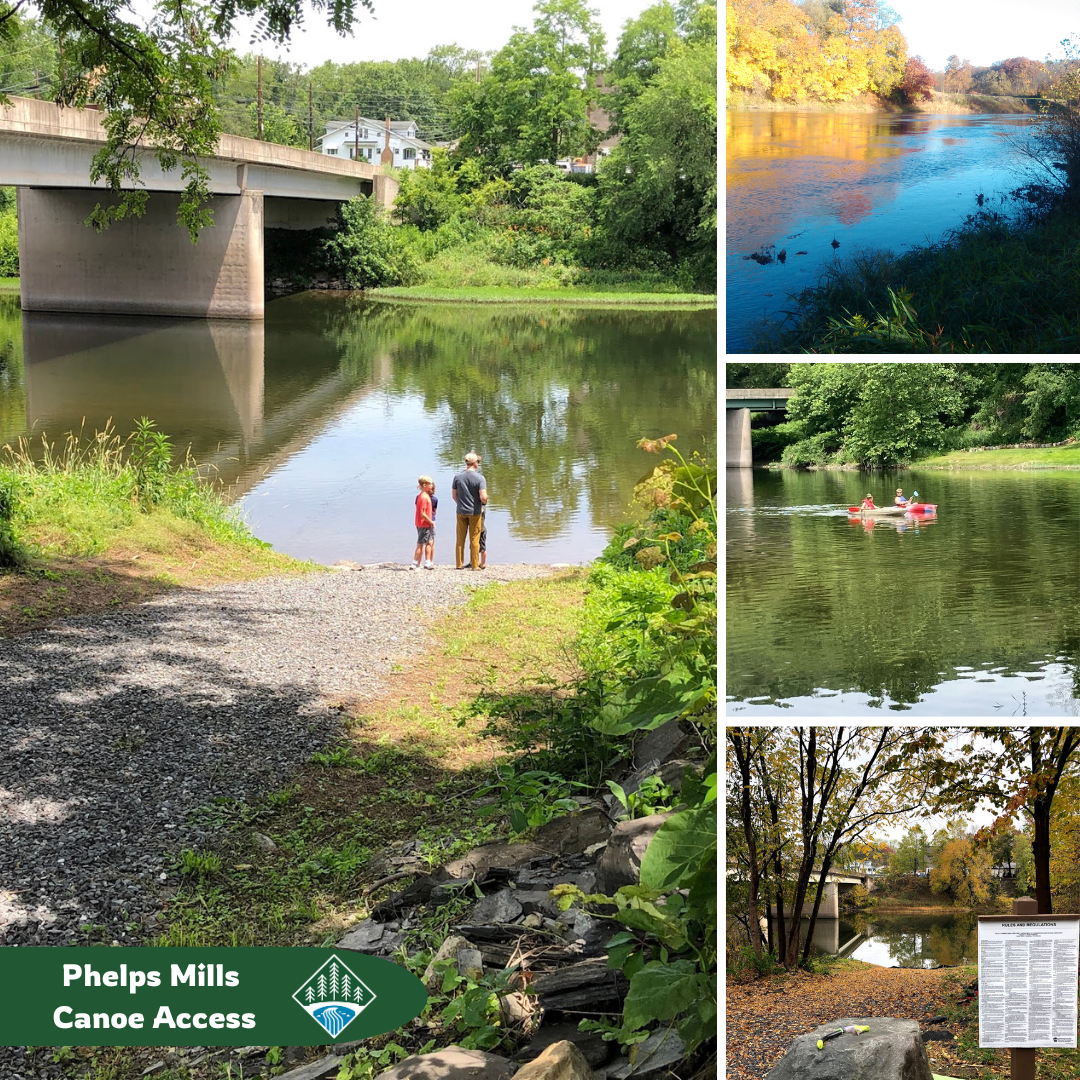
In 2019, NPC stepped in to purchase the Phelps Mills Canoe Access, ensuring it remained open to the public for fishing, tubing, paddling, and more. Serving as the interim owner, NPC helped enhance the site before it was incorporated into the Tiadaghton State Forest.

Landowners interested in conserving their property should consult with the appropriate legal and tax advisors. Although NPC will work with the landowner toward income tax savings, NPC cannot guarantee tax savings.   

Next Steps

To learn more about these options and determine the best fit for your land, contact NPC staff at 570-323-6222 or info@npcweb.org to discuss your goals and request a landowner questionnaire.

Land, Legacy & Family: The McMorris Conservation Easement

In the heart of Lycoming County, the McMorris family has nurtured a 60-acre farm that tells a story of stewardship, family, and a love for the land. Recently, Marc McMorris and his siblings partnered with the Northcentral Pennsylvania Conservancy (NPC) to establish a conservation easement, ensuring the conservation of their cherished family property for generations to come.

A Life on the Land

Marc’s father, a local physician at the time, originally purchased the farm to give his family a sense of rootedness after moving frequently during his own childhood. Growing up, Marc and his siblings worked alongside their parents to care for horses, cattle, and crops. From early spring to the cool days of fall, they tended gardens and orchards, following the seasonal rhythms that defined their lives. While their childhood was filled with lots of hard work, it also instilled a deep appreciation for the land’s unique character and lasting value.

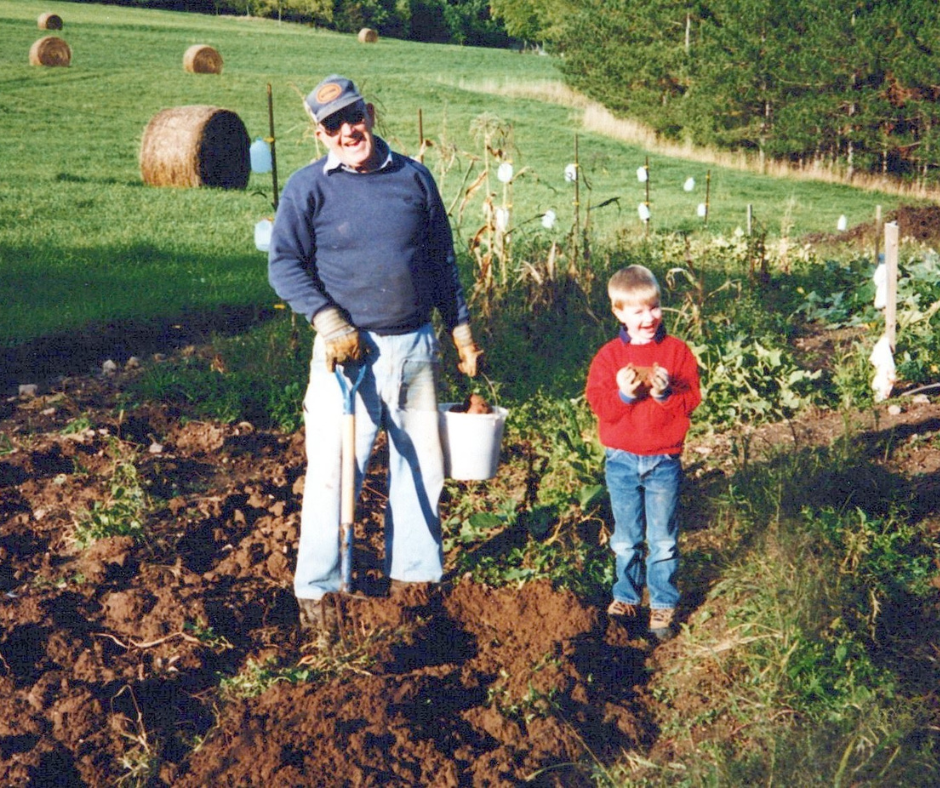
Dr. David McMorris harvesting potatoes with his grandson, David, from their family garden.

Now, each autumn, as the air fills with the sweet scent of ripe apples, Marc fondly recalls time spent harvesting from their orchards. Together, they would pick the fruit by hand, transporting it to the nearby Nippenose Cider Mill, where their wooden kegs would be filled with freshly pressed apple cider. Back at the farm, the home would transform into a bustling hub of activity as Marc’s parents, grandparents, cousins, and neighbors gathered to create their homemade apple butter. As they would stir giant copper kettles in the backyard, laughter and stories flowed as freely as the delicious concoction within. The aroma of cooking apple butter filled the air, turning their hard work into treasured gifts for friends and co-workers at Christmas. In those moments, with faces smeared in apple butter and loaves of warm Stroehmann’s bread shared among loved ones, the farm stood as a testament to the deep connection between family and land.

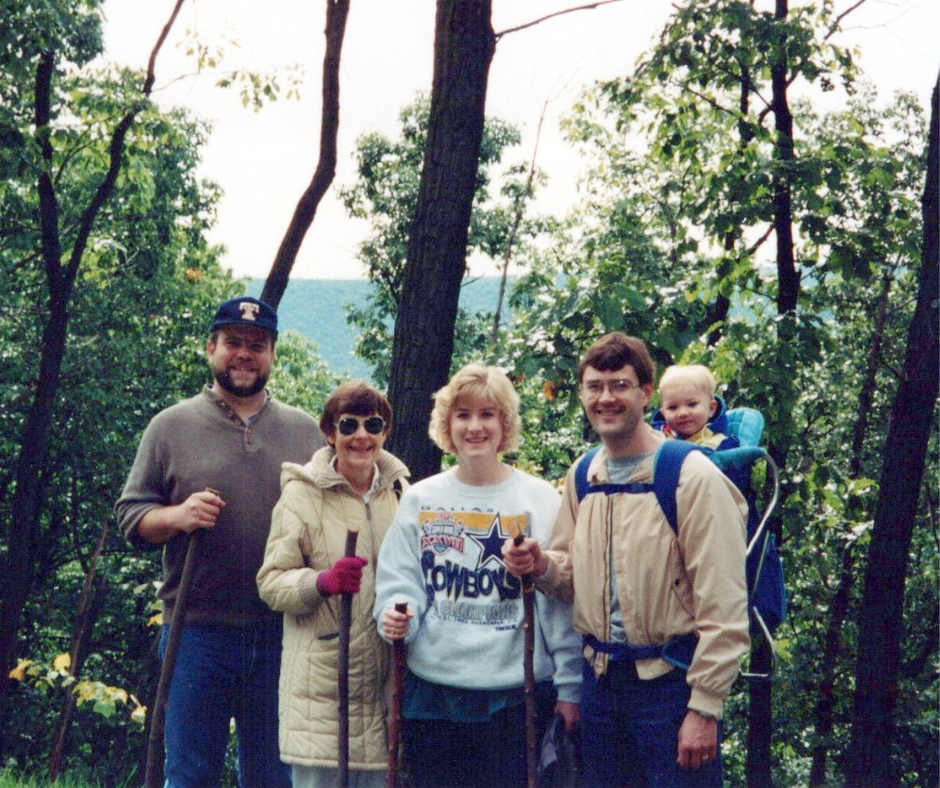
Carol, the family matriarch, instilled a love for the land through countless hikes around the property. Pictured: Carol with three of her children—Scott, Kelly, and Marc—and her grandson, David.

A Legacy Worth Conserving

Eventually, the McMorris children grew up and pursued their own paths, but the farm remained a gathering place for family and friends. Owning land with that much heart and soul prompted Marc’s father to reach out to NPC for an initial meeting many years ago. Then, after their parents passed away, Marc and his siblings took on the responsibility of ensuring the land’s long-term care. Living in Michigan, Marc witnessed the farmland in his community being transformed into subdivisions, which fueled his desire to conserve their unique property back in Pennsylvania. Together, the siblings decided to pick up where their dad left off, embarking on a journey with NPC to place a conservation easement on their property.

While the process was long and challenging, the NPC staff was there to guide the family through the whole process.

“I had done my own research, but I just didn’t realize all the steps that it took and the amount of time it took with each step. So, the help we got from Sara and Renee [NPC staff] was invaluable.”

Marc McMorris, conservation easement landowner
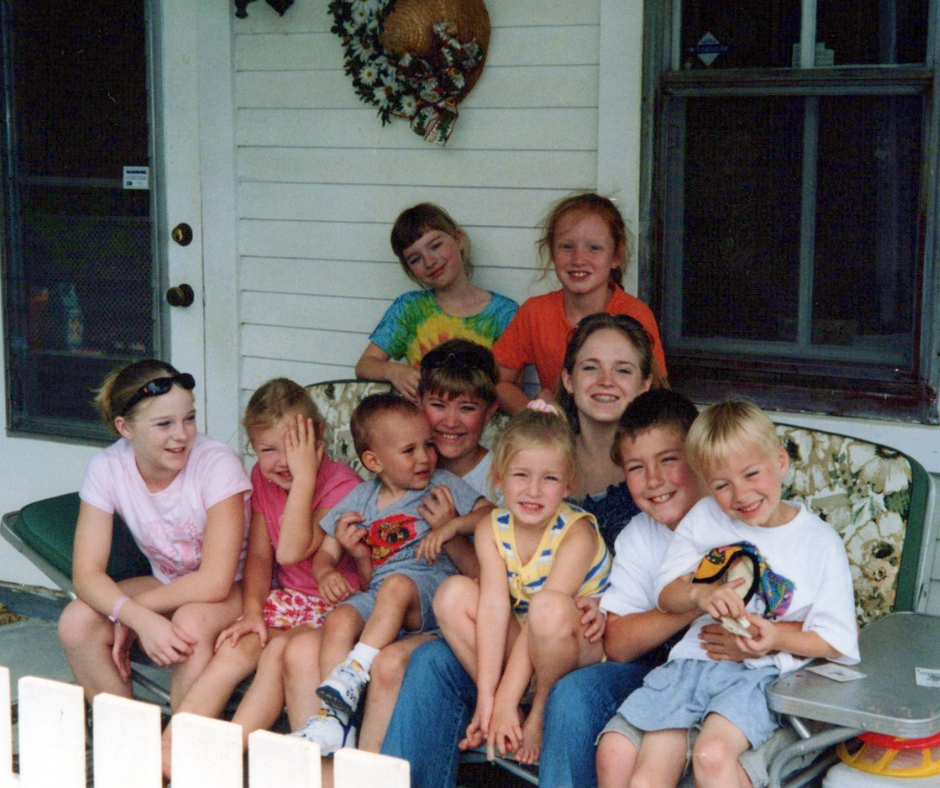
Visits to the family farm meant plenty of cousin time and outdoor adventures for the McMorris grandkids.

Community Benefit

The conservation easement on the McMorris family farm offers numerous environmental benefits for the community. The headwaters, wetlands, and tributaries of Jacks Hollow, a Pennsylvania Historic Stream located on the property, support the health of the West Branch Susquehanna River and help recharge groundwater in the area. The farm is adjacent to State Game Lands and other protected areas, which conserves critical habitats for native species such as ruffed grouse, wild turkeys, and wood thrush. Additionally, the fertile soils designated as prime farmland support agriculture, while the dense forests and rocky slopes reduce stormwater runoff and prevent soil erosion, protecting downstream communities. The land is also visible from a heavily traveled public road, conserving scenic views for everyone to enjoy.

The 60-acre McMorris conservation easement supports the health of the West Branch Susquehanna River and groundwater recharge, while its proximity to other conserved lands provides critical habitat for wildlife.

Looking to the Future

“If you want to conserve the land for the future, this is the best way to do it.”

Marc McMorris, conservation easement landowner

Today, the family takes pride in knowing that their land is conserved. They’ve found peace in the knowledge that it will remain a space for future generations to experience the joy, hard work, and connection to nature that they once cherished.

For those considering a similar path, the family encourages patience and research. Marc expanded by encouraging others to “Take full advantage of the help the conservancy [NPC] provides through the process. It can take a long time, but it’s well worth it when it’s done. If you want to conserve the land for the future, this is the best way to do it.”

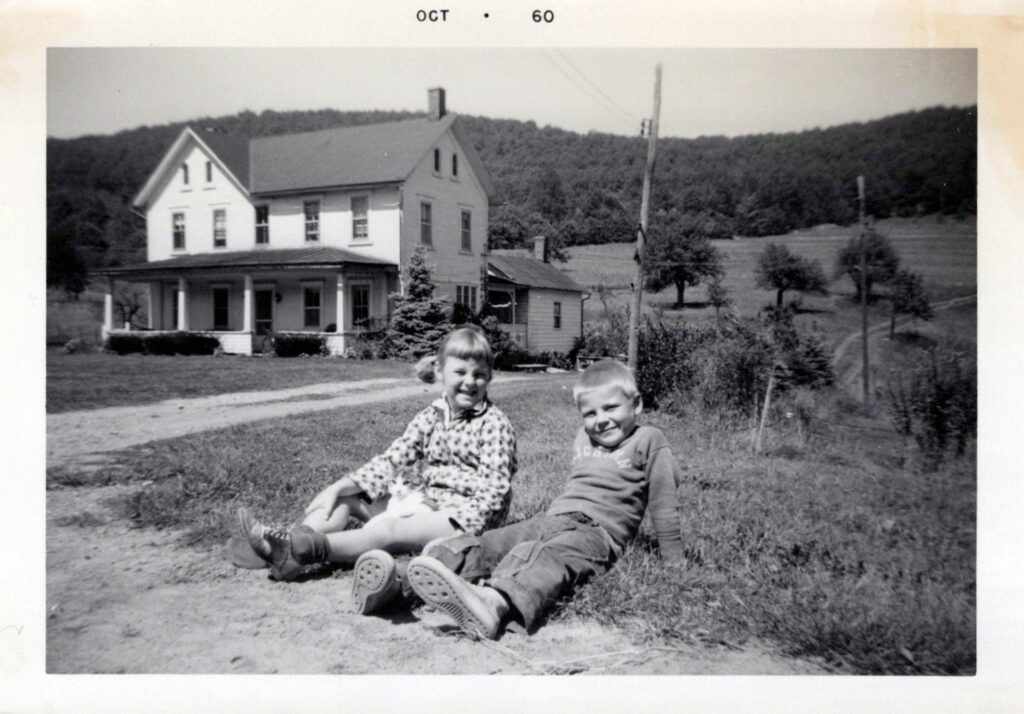
The McMorris siblings—Karen, Scott, Marc, and Kelly—found peace in honoring their parents’ legacy through this conservation easement. Pictured: Karen and Scott, circa 1960.

Learn More

If you’re inspired by the McMorris family’s journey and want to learn more about how a conservation easement can conserve your land, we invite you to visit the NPC website. There, you’ll find resources and information to help guide you through the process. You can also contact NPC’s Land Steward, Sara Schlesinger, directly, at sschlesinger@npcweb.org or 570-323-6222.

Support Conservation

The NPC membership makes the conservation easement program possible. By contributing to NPC, you help conserve lands and waters across the region, ensuring that these vital resources remain healthy for our communities. Your support also funds outdoor educational and recreational programs and improves the health of our waterways. To help continue this work, please consider donating today and make a difference in our region’s conservation efforts.

Field Journal Friday: Green Hills Farm Conservation Easement

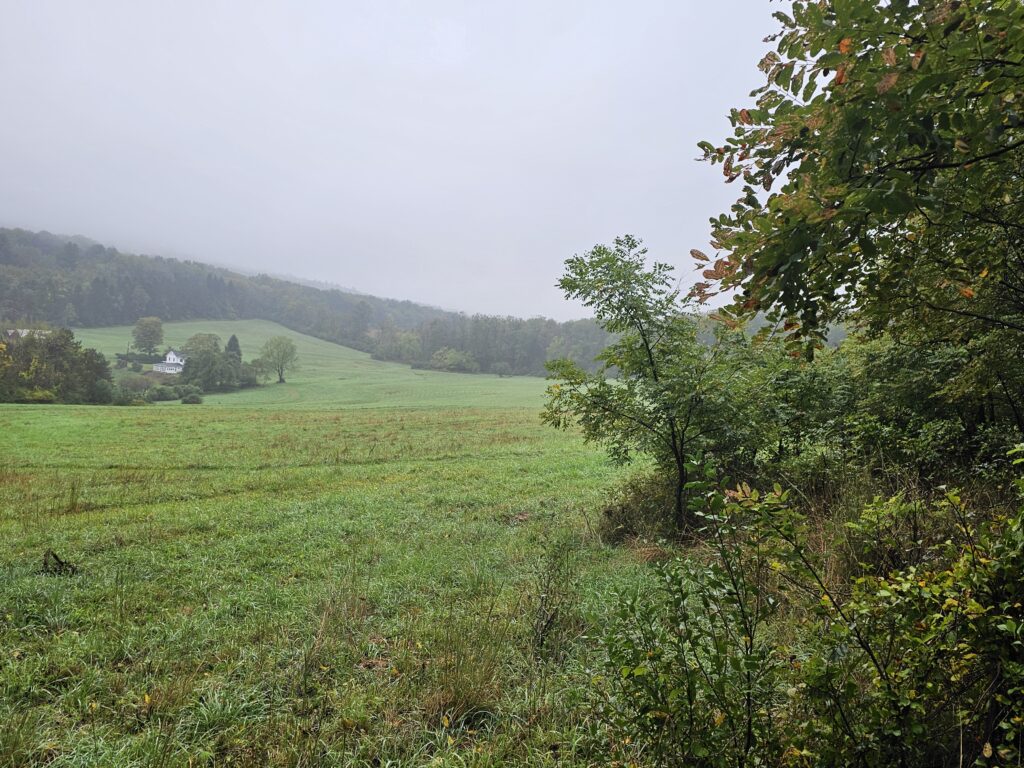
Green Hills Farm is a fitting name for the rolling landscape of farm fields and woodlands that make up this 118-acre conservation easement in Lycoming County. The land’s changing topography and variety of habitats support an abundance of wildlife and native species, which were on full display during Sara’s recent site visit.

Observation #1: Yarrow

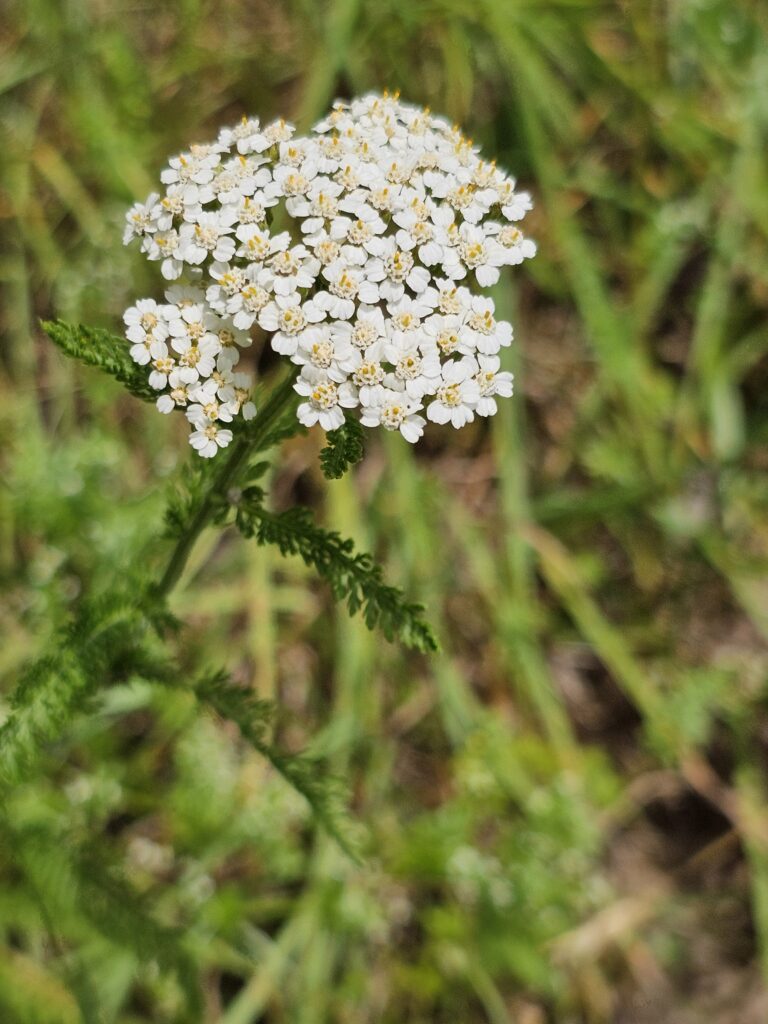
Yarrow (Achillea millefolium) is a hardy, perennial herb commonly found throughout Pennsylvania. Known for its feathery leaves and clusters of small, white or pink flowers, yarrow thrives in a variety of habitats, including meadows, fields, and roadsides. Yarrow attracts a range of pollinators, including bees and butterflies, and its deep roots help prevent soil erosion. Historically, it has been valued for its medicinal properties, used by indigenous peoples and settlers alike for treating wounds and various ailments.

Yarrow

Observation #2: Indian Hemp

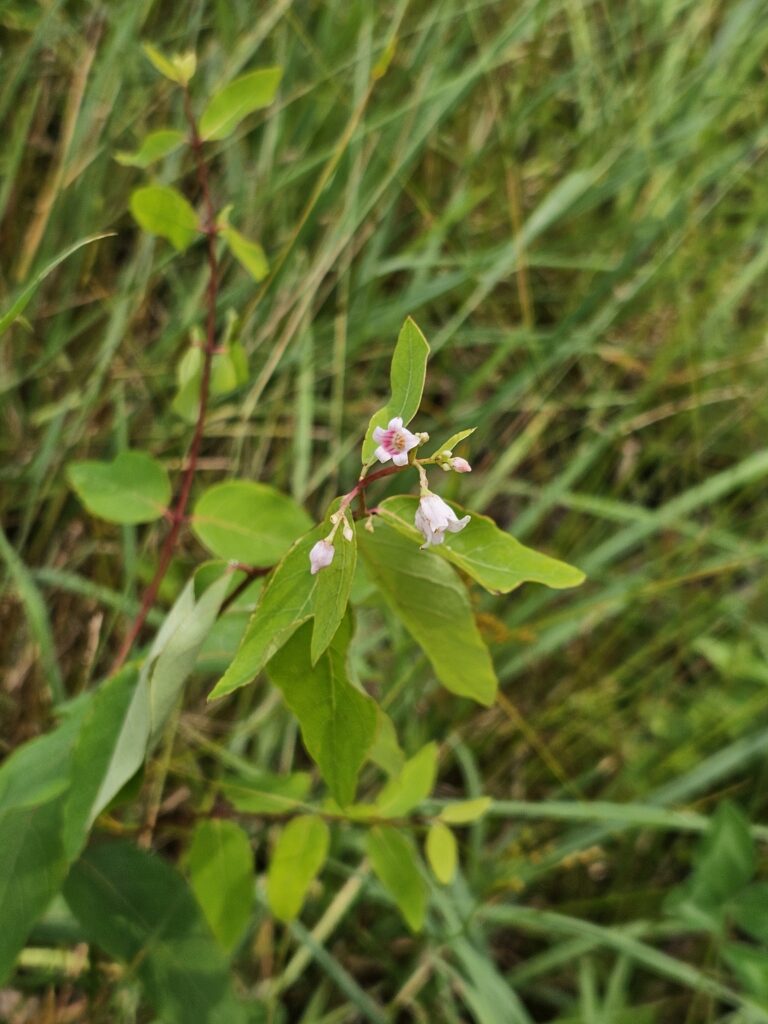
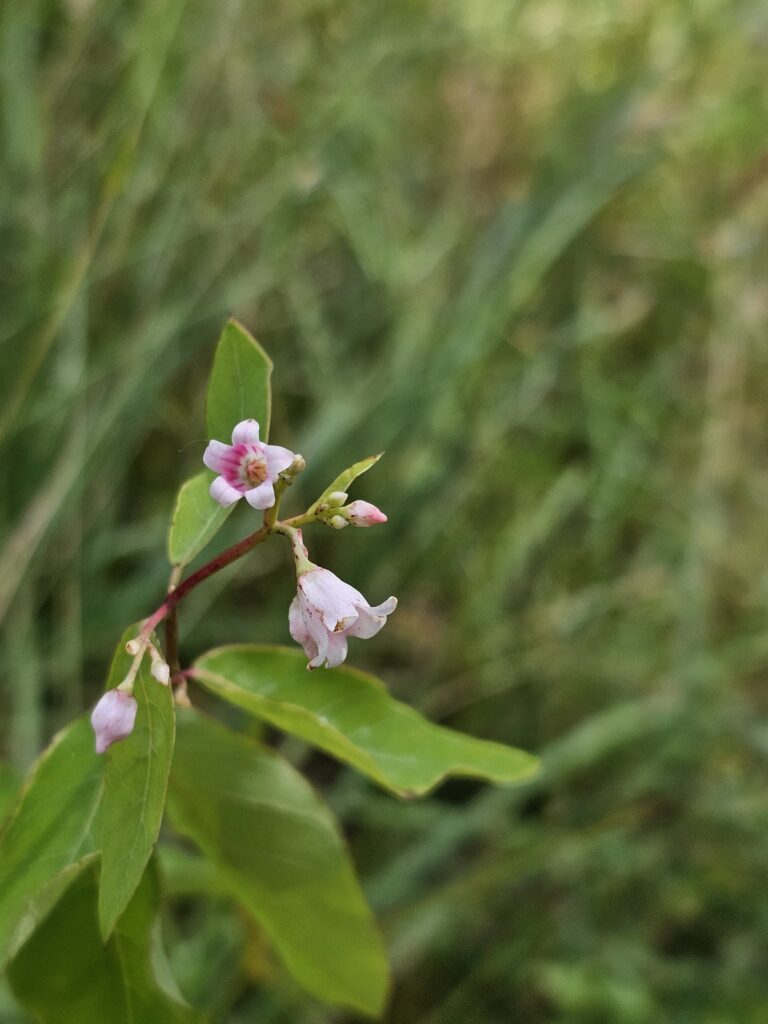
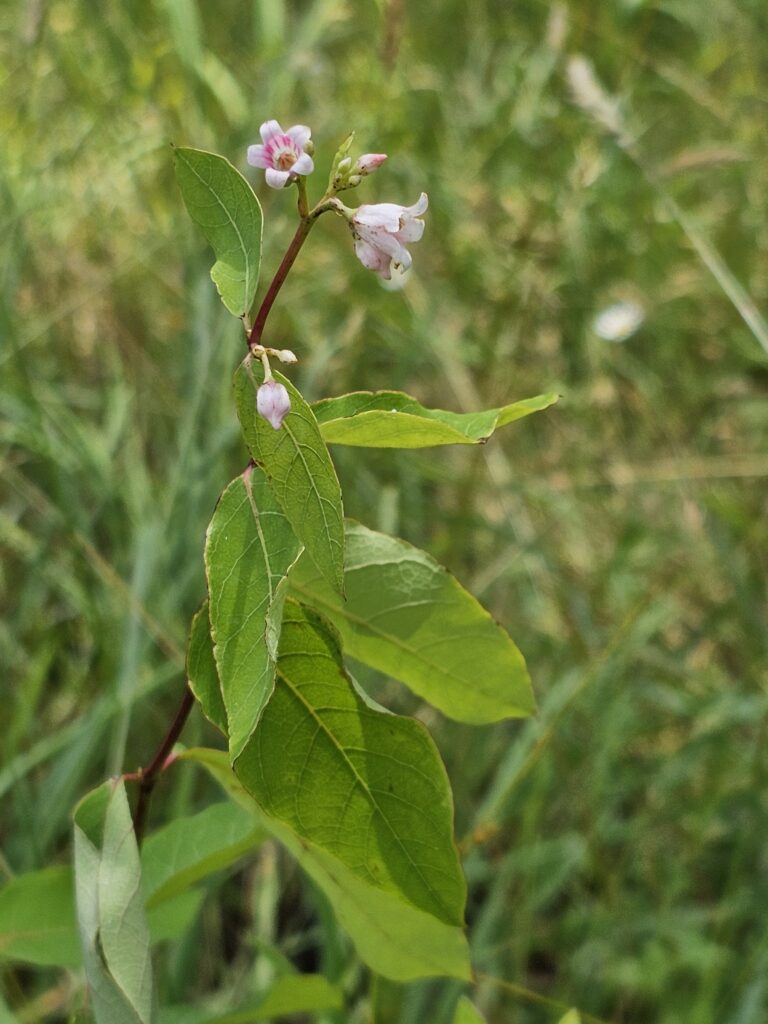
Indian Hemp, also known as Common Dogbane (Apocynum cannabinum), is a perennial herb native to Pennsylvania and widespread across North America. This plant typically grows in moist areas such as riverbanks, meadows, and open woods. It can reach heights of 2-5 feet and features slender, red stems, and lance-shaped leaves. In summer, it produces clusters of small, white to greenish flowers.

Indian Hemp is well-known for its fibrous stems, which indigenous peoples historically used to make cordage and twine. However, the plant is also toxic, with milky sap that can cause irritation. It is important for supporting various pollinators, including bees and butterflies.

Observation #3: Horsenettle

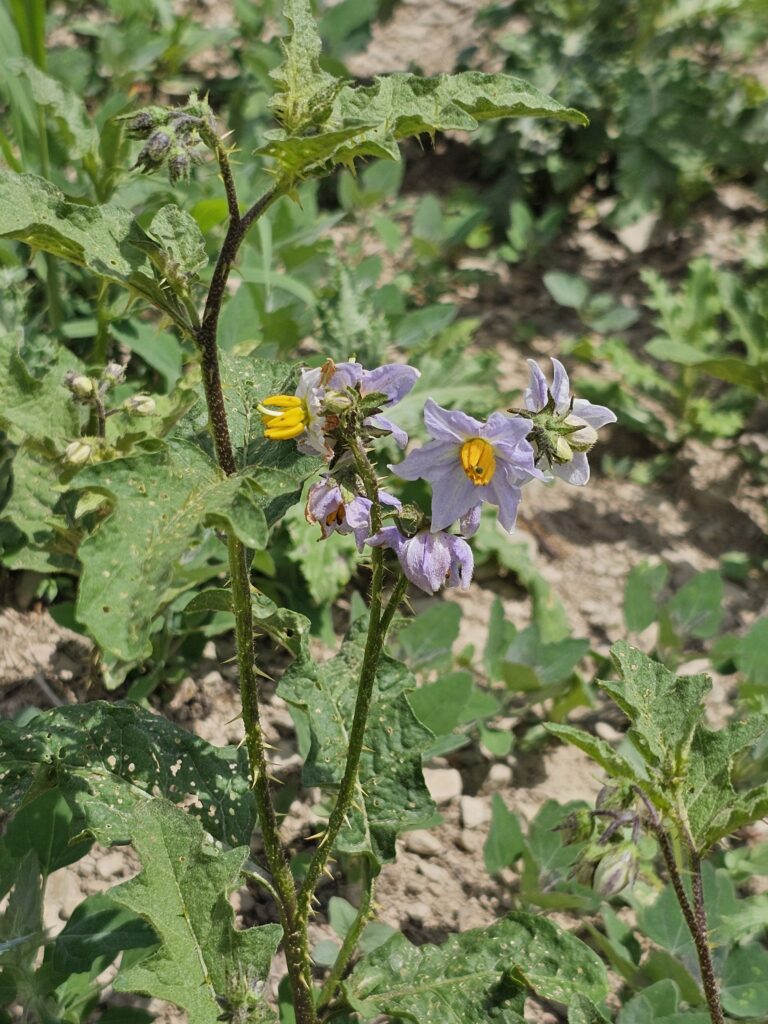
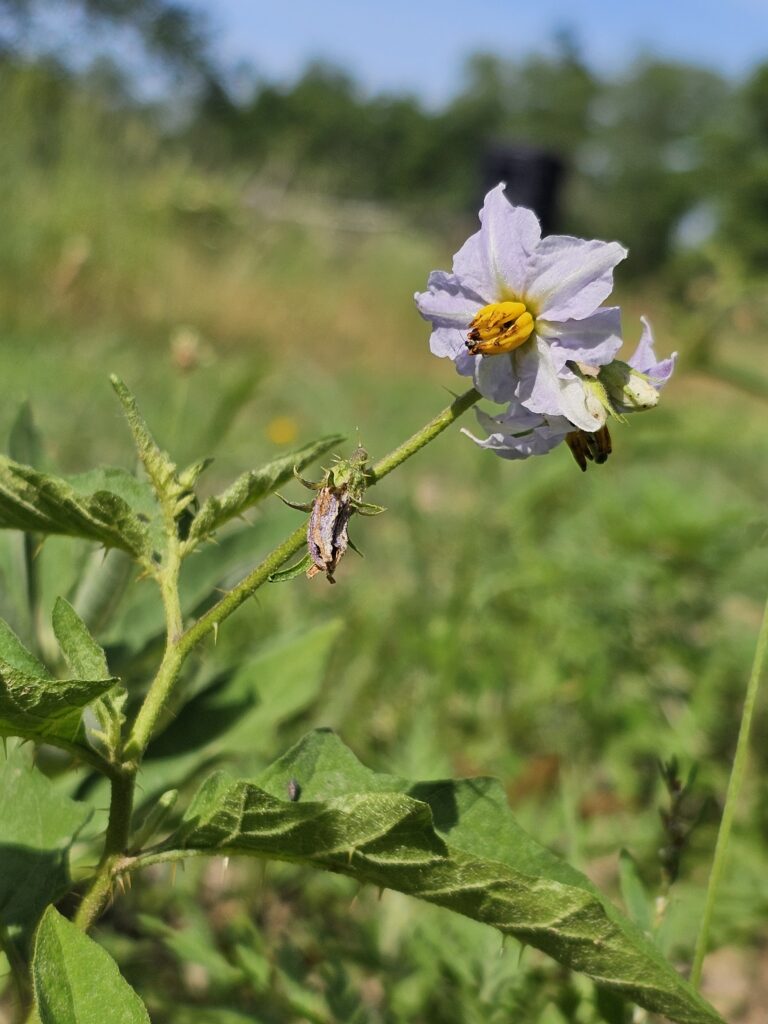
Horsenettle (Solanum carolinense) is a perennial plant commonly found throughout Pennsylvania. It has sharp spines on its stems and leaves, which help protect it from being eaten by herbivores. This makes it a tough and resilient plant in the wild. Horsenettle’s attractive star-shaped flowers, which bloom in shades of pale purple or white, are a favorite among bees and other pollinators. The fruit of the horsenettle resembles small, yellow tomatoes, but it is highly toxic to humans and livestock.

Observation #4: Common Milkweed

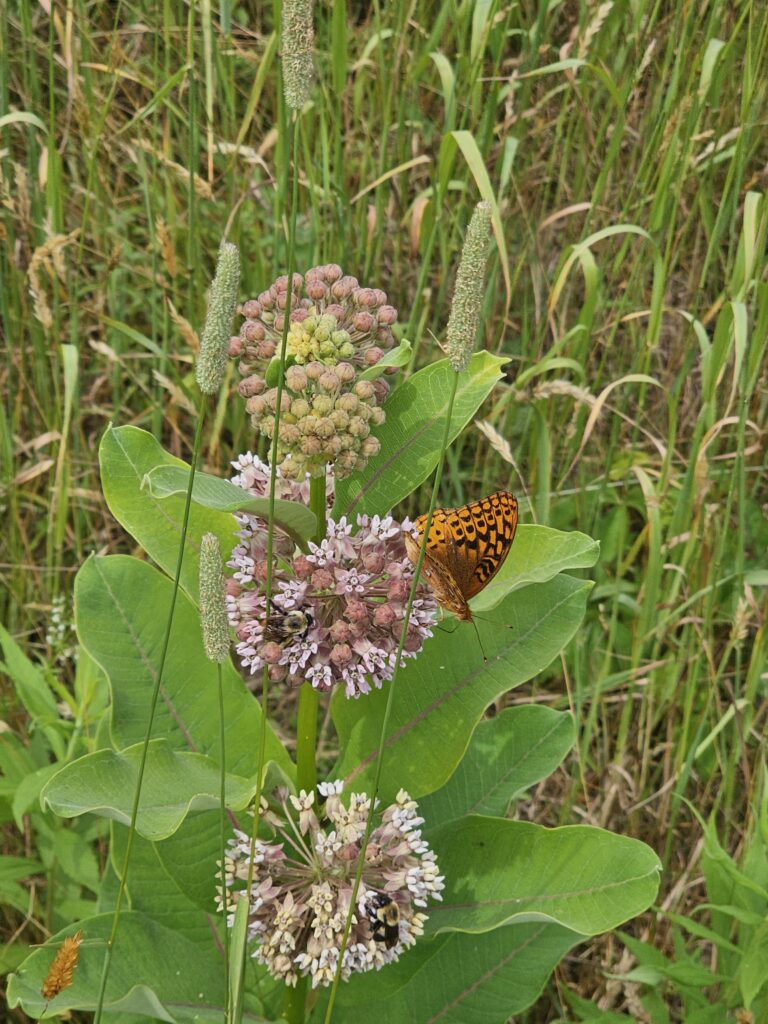
Common milkweed (Asclepias syriaca) is a perennial plant native to Pennsylvania and plays a crucial role in supporting pollinators. Common milkweed is famously known as the primary host plant for monarch butterflies (Danaus plexippus). Monarch caterpillars exclusively feed on the leaves of milkweed plants. The toxins present in milkweed sap make monarch caterpillars and butterflies distasteful to predators, providing them with protection.

While monarch caterpillars rely on milkweed leaves, the flowers of common milkweed produce abundant amounts of nectar. This nectar is a valuable food source for many pollinators, including bees, butterflies (like the Great Spangled Fritillary), moths, and hummingbirds.

A pair of bees and a fritillary butterfly on common milkweed.
Catch up on other Field Journal Friday entries:
Dickey Farm Conservation Easement
Van Horn & Van Horn Homestead Conservation Easements
Bednar Conservation Easement
Joshi Conservation Easement
Lyons Conservation Easement
Richards Conservation Easement
Logue-McMahon Conservation Easement
Zaner, Overlook & Power Dam Conservation Easements
Blackwell Conservation Easement

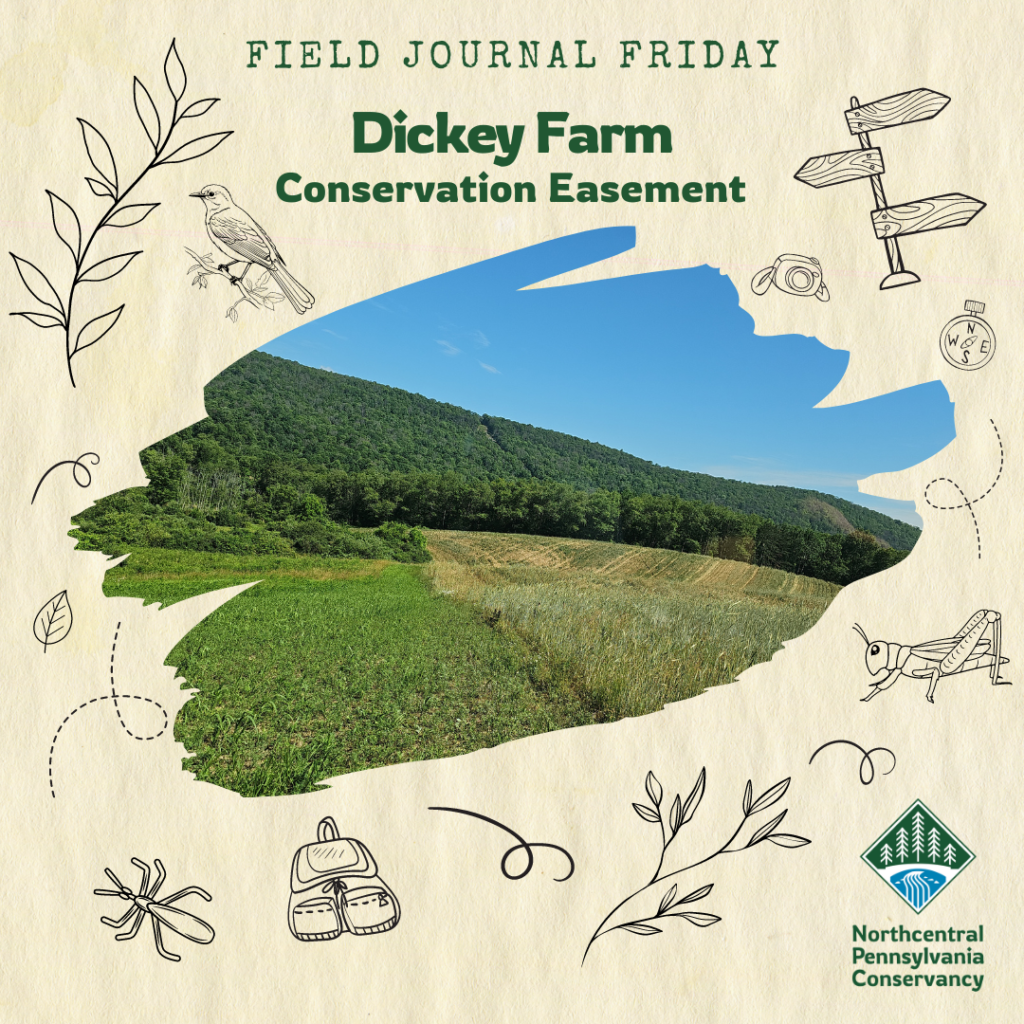
Field Journal Friday: Dickey Farm Conservation Easement

Established in 1999, the Dickey Farm conservation easement stands as a testament to thoughtful stewardship and long-term planning. The decision to conserve their 195-acre property came after the landowners attended an ‘Estate Planning for Family Lands’ workshop hosted by NPC. Already equipped with a farm plan and woodlot management strategy, they were dedicated to enhancing wildlife habitat on their property. Recognizing the importance of conserving their land in perpetuity, they chose to establish a conservation easement.
Today, Dickey Farm remains a thriving example of productive farmland. The conservation easement not only helps conserve wildlife habitat but also conserves critical water and scenic resources. The property’s unique geography includes a ridge that divides its drainage into two watersheds. A spring originating here flows into Sugar Run, a tributary of the West Branch Susquehanna River, while the back portion drains into the Bald Eagle Creek watershed. Its prominent location ensures it is visible from several public roads and neighboring State Game Lands to the south.

Observation #1: Daisy Fleabane

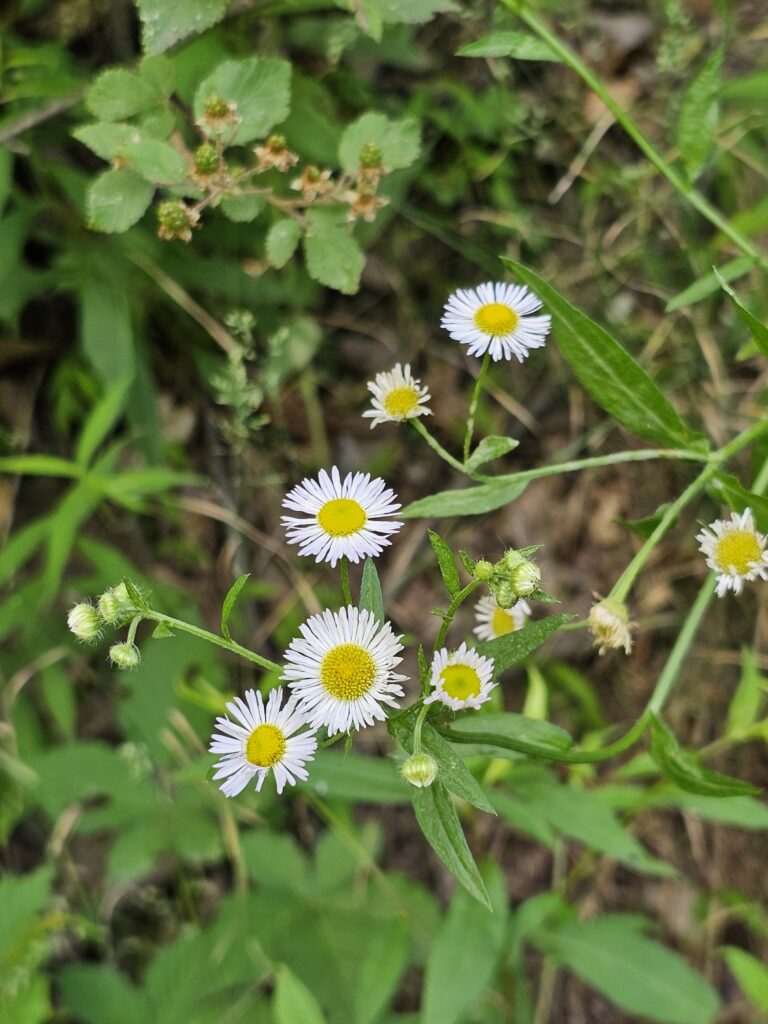
Daisy fleabane (Erigeron annuus), a native wildflower in Pennsylvania, belongs to the aster family and blooms from late spring through summer. Its clusters of small, daisy-like flowers with yellow centers and white rays attract pollinators like bees and butterflies. Often found in meadows and along woodland edges, this resilient flower adds a cheerful touch to Pennsylvania’s landscapes, sometimes becoming a favorite gifted bouquet picked by little hands.

Daisy Fleabane

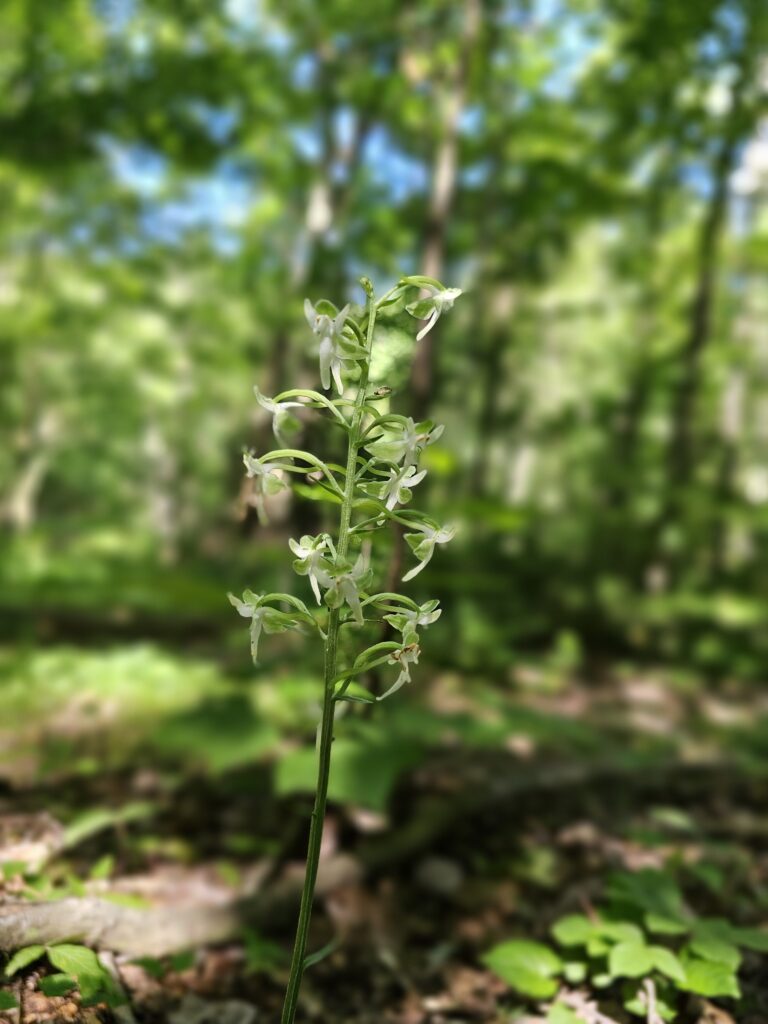
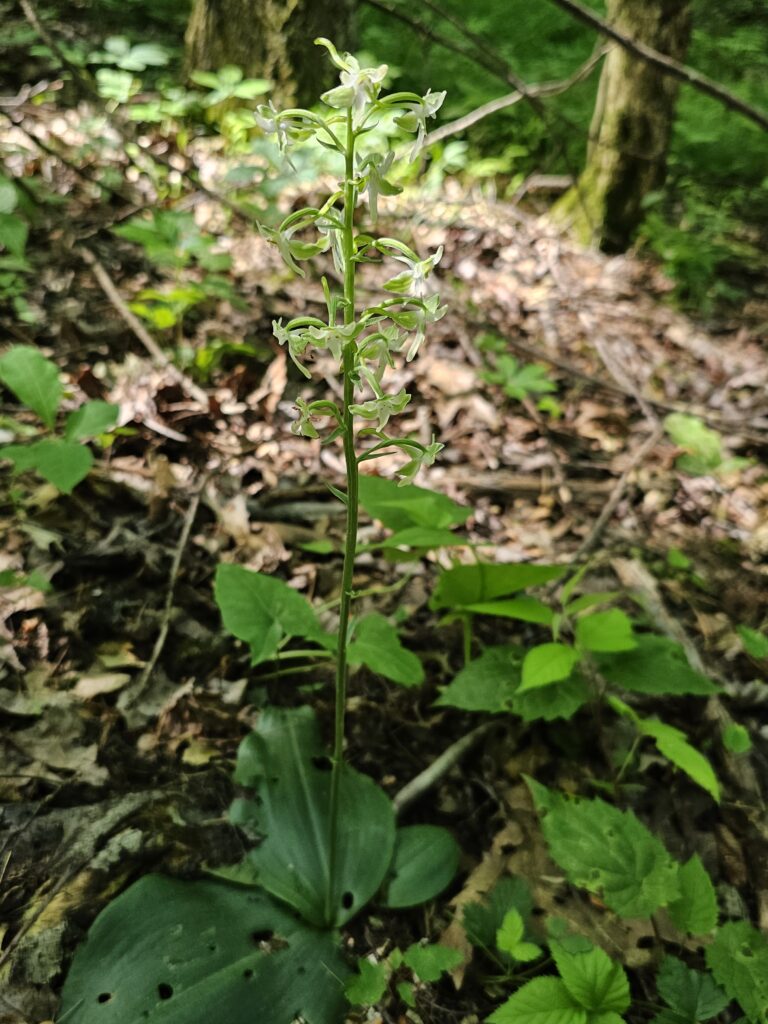
Observation #2: Round-Leaved Orchid

In Pennsylvania, the round-leaved orchid (Amerorchis rotundifolia) adds a touch of elegance to moist woodlands and meadows with its distinctive features. Characterized by round, glossy leaves forming a basal rosette and a slender flowering stem bearing clusters of small, intricate flowers, this orchid blooms from mid to late summer.

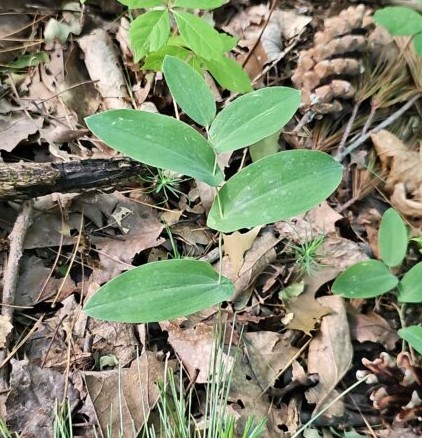
Observation #3: Perfoliate Bellwort

Perfoliate bellwort (Uvularia perfoliata), found in Pennsylvania’s woodlands and forest edges, stands out with its distinctive perfoliate leaves. The term “perfoliate” refers to the botanical feature where the stem appears to pass through the center of the leaf. This gives the impression that the leaf is pierced or surrounded by the stem itself. In early to mid-spring, perfoliate bellwort blooms with delicate, pendulous yellow flowers that hang beneath its gracefully arching stems.

Perfoliate Bellwort

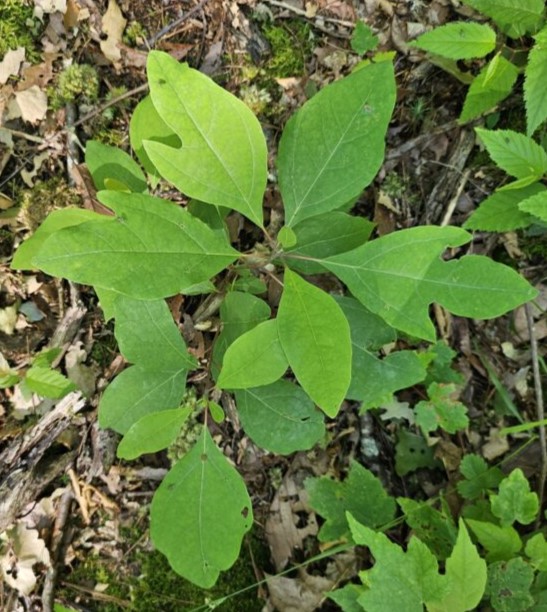
Observation #4: Sassafras

Pennsylvania’s forests showcase sassafras (Sassafras albidum) with its distinct three-lobed leaves that can vary in shape, including mitten-shaped and trilobed forms, offering a colorful display of yellow, orange, and red foliage during the fall season. Beyond its visual appeal, sassafras was historically used by Native American tribes and later European settlers for its aromatic bark, roots, and leaves, which were believed to have medicinal and culinary properties.

Sassafras
Catch up on other Field Journal Friday entries:
Van Horn & Van Horn Homestead Conservation Easements
Bednar Conservation Easement
Joshi Conservation Easement
Lyons Conservation Easement
Richards Conservation Easement
Logue-McMahon Conservation Easement
Zaner, Overlook & Power Dam Conservation Easements
Blackwell Conservation Easement

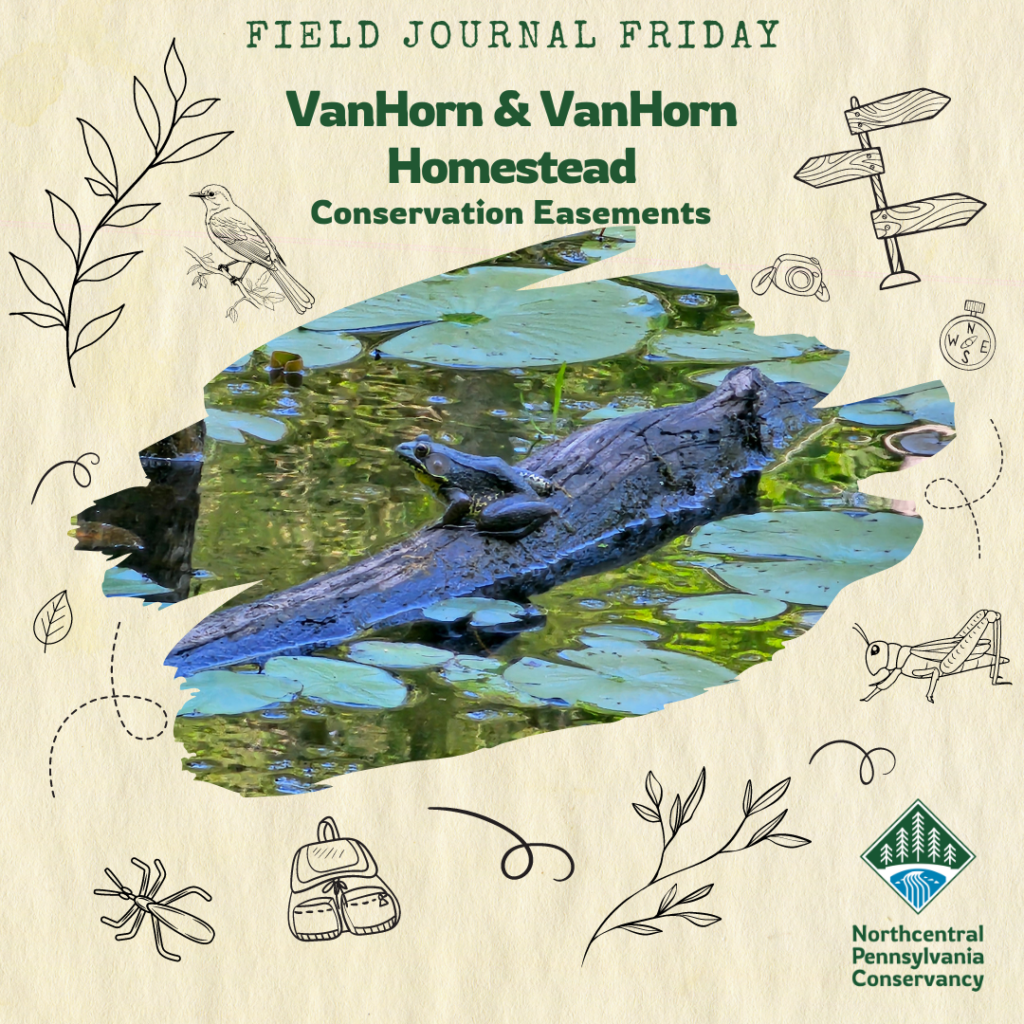
Field Journal Friday: VanHorn & VanHorn Homestead Conservation Easements

Together, the VanHorn and VanHorn Homestead Conservation Easements conserve 148 acres in Lycoming County. Donated to NPC by the same owners in the late 1990s, these easements feature mature woodlands and wetlands adjacent to Big Run, a high-quality native trout stream and tributary of Muncy Creek.

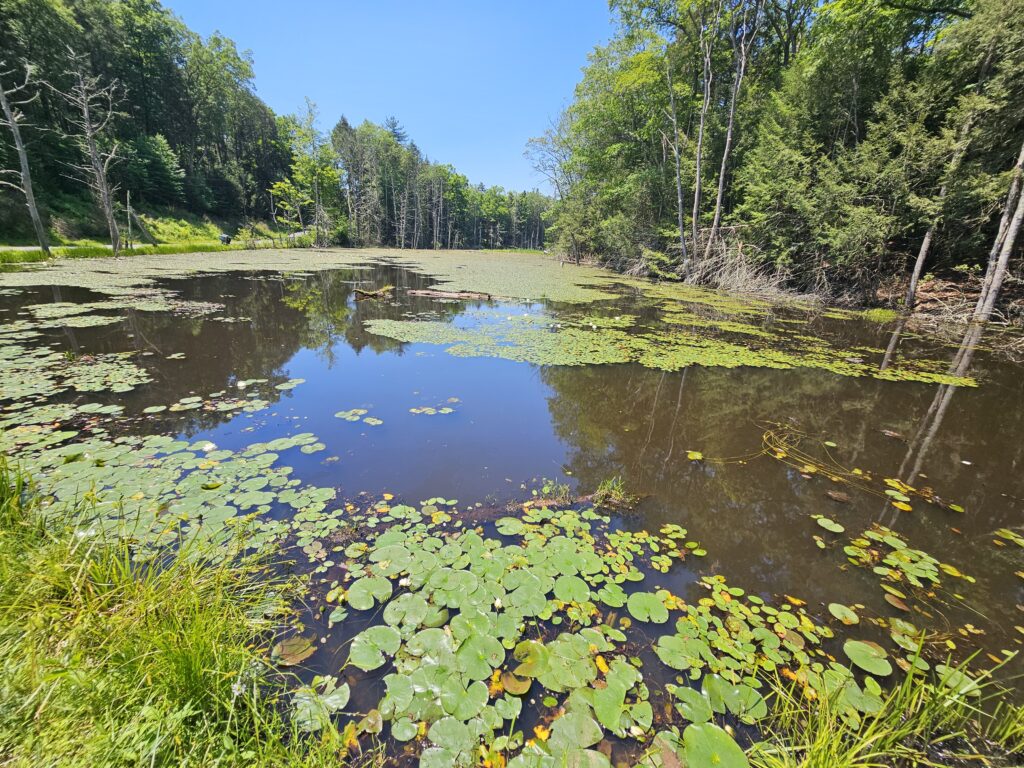
On the VanHorn Homestead, a swamp supports a variety of animals, plants, and aquatic life. One unique aspect is its drainage pattern: it flows both east to Lake Run and west into Big Run!

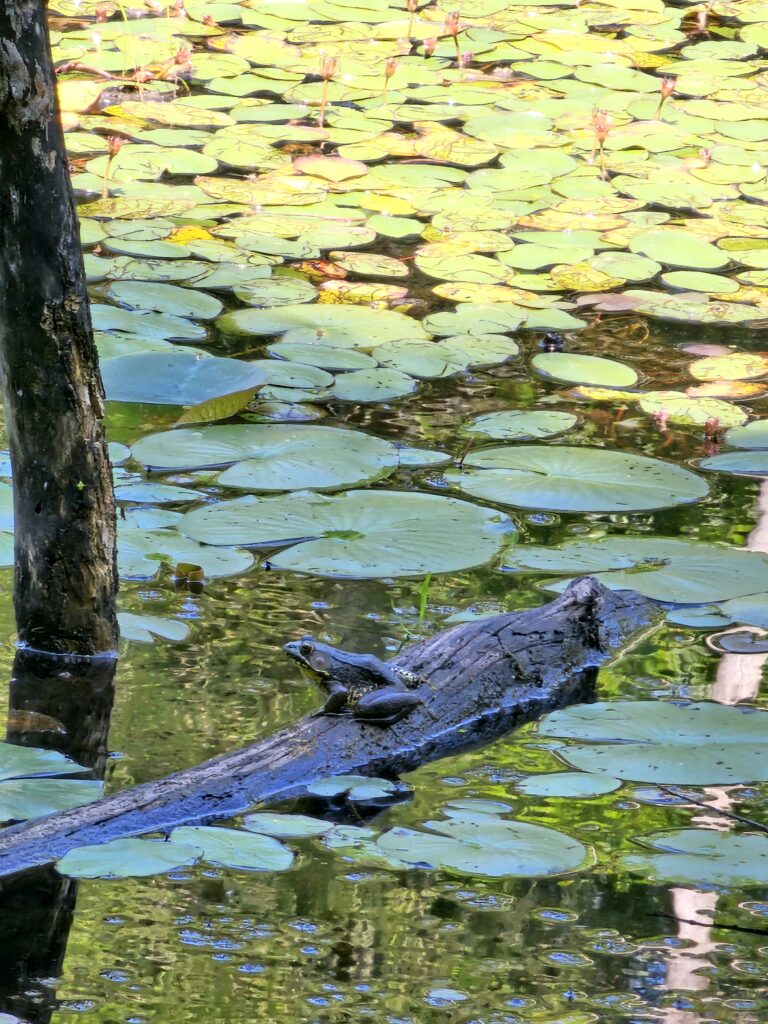
During her annual visit to these conservation easements, Sara spotted a big, green frog perched on a log in the swamp, among other highlights.

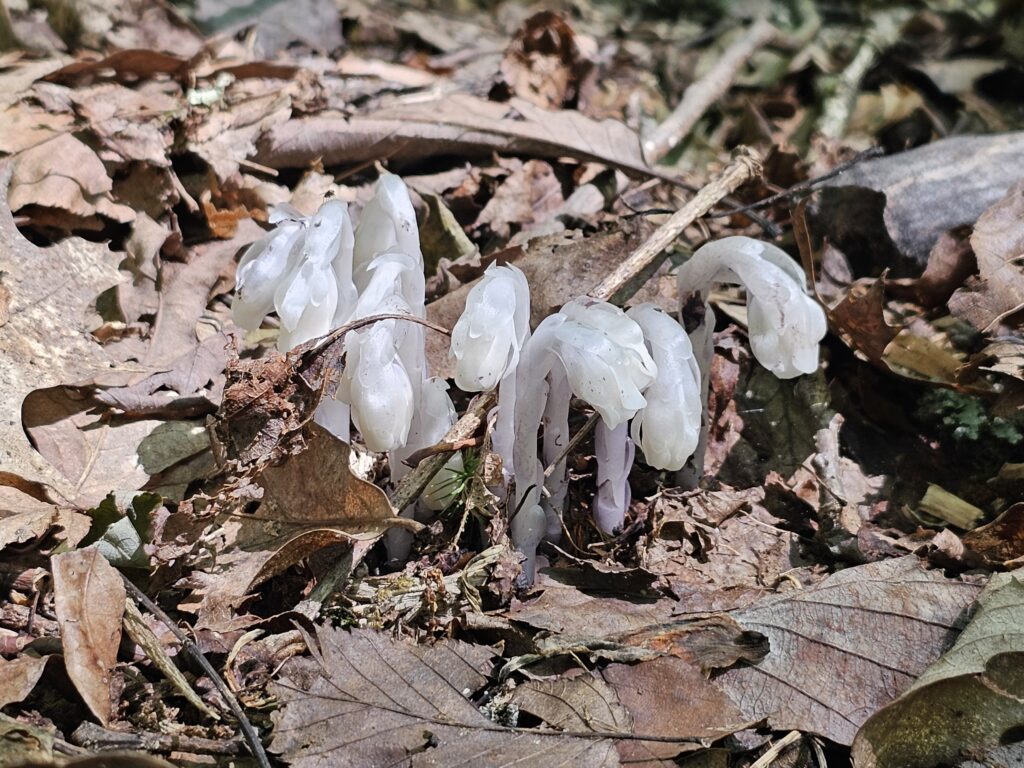
Observation #1: Ghost Pipe

Ghost pipe is a native perennial that is all white and can be found growing in clusters up to 8 inches tall across most of the US. Each stem has a single flower. It’s also known by other names such as Indian pipe, corpse plant, or ghost plant. What makes this plant so unique is that it does not contain chlorophyll! Most plants contain chlorophyll, which converts the sunlight into carbohydrates (energy for the plant), this process is known as photosynthesis. Chlorophyll is also what makes plants green. Lacking chlorophyll, ghost pipes get their carbohydrates and nutrients from tree roots, via their relationship with myccorhizal fungi.

Ghost Pipe

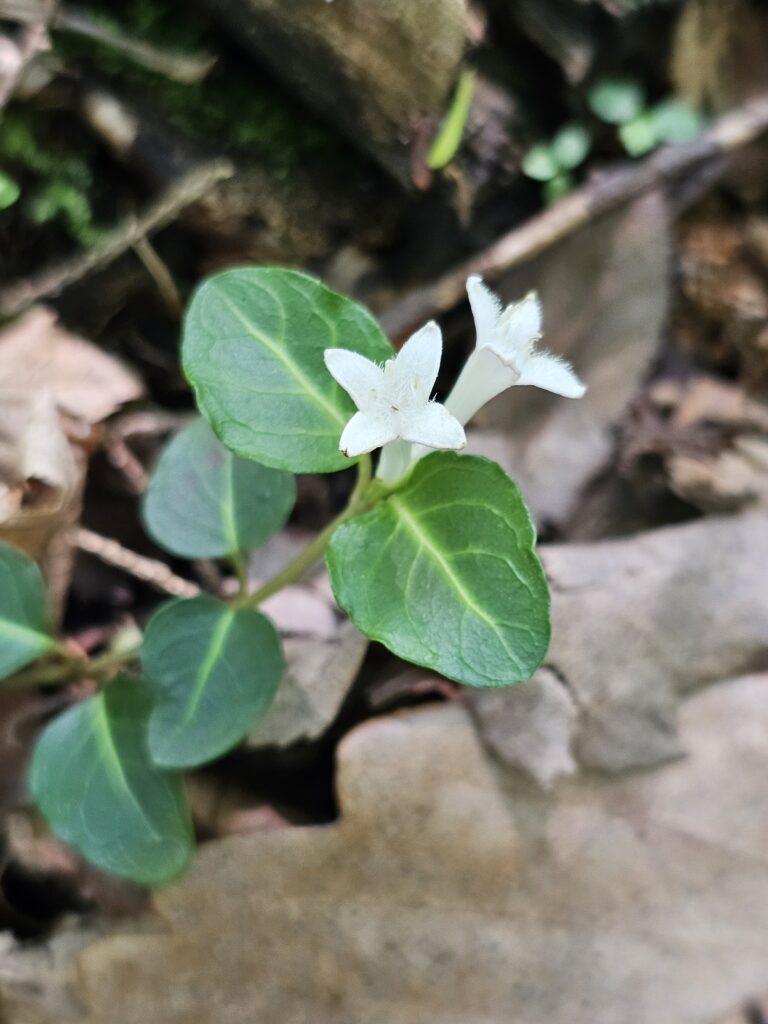
Observation #2: Partridge Berry

Partridge berry is a native, sprawling evergreen vine on the forest floor, found throughout woodlands in the eastern United States. A pair of small, white, fuzzy flowers grow at the end of its creeping stem and produce a single red berry.

Partridge Berry

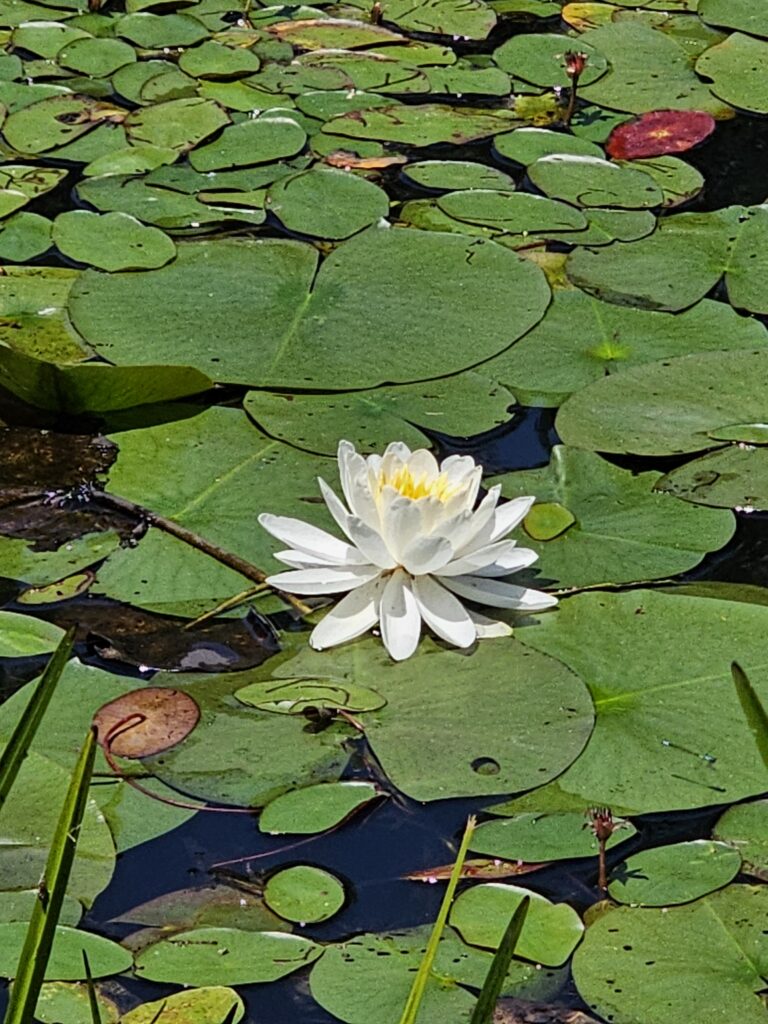
Observation #3: White Water-Lily

White water-lily – also known as fragrant water lily – this native, aquatic floating flower is accompanied by its round leaves, which grow up to 10” across. Rhizomes and roots anchor each plant to the bottom of the ponds where they are found. The fragrant flowers close at night and on cloudy days. Seeds from the flower are a great source of food for birds and other animals. The flower and lily pads provide habitat for aquatic macroinvertebrates and refuge for small fish

White water-lily

Observation #4: Reishi

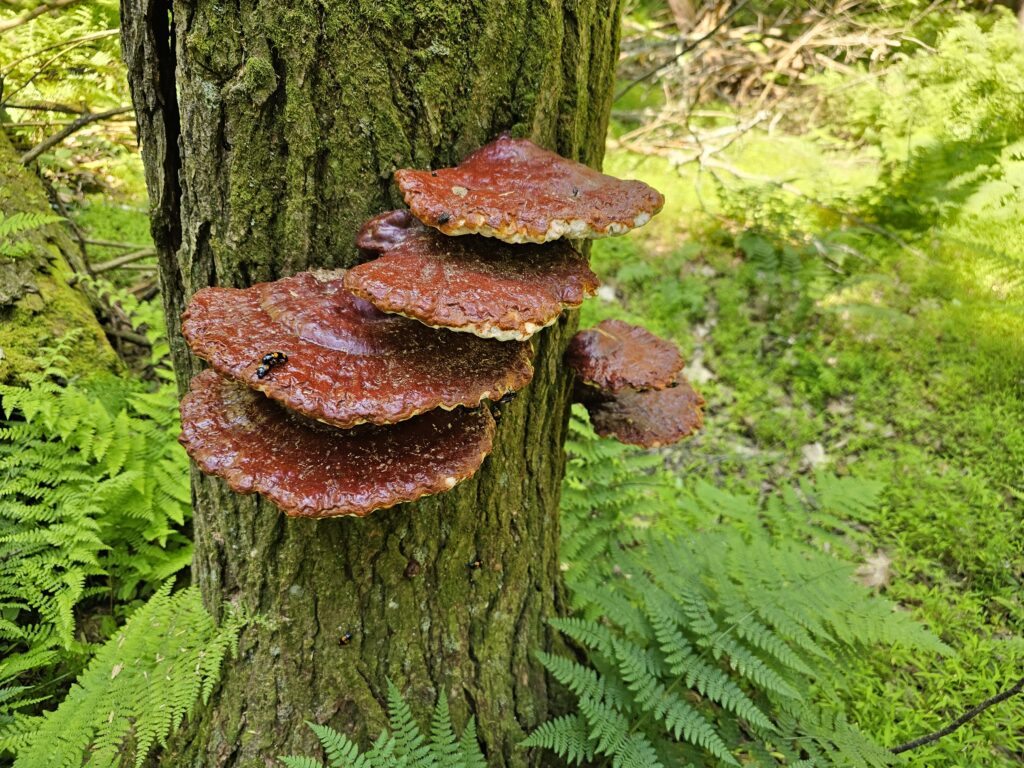
Reishi is a large, reddish-brown fungus that grows in a fan-shape from wood, with a lacquered appearance. There are over a dozen species of reishi in the US, all having a very similar appearance. Each species is particular about the trees that they grow from, in the eastern US, they are primarily found growing on eastern hemlock.

Reishi

Observation #5: Green Frog

Green frogs can be found living in lakes, ponds, streams and wetlands in every county of Pennsylvania, and throughout the eastern half of the US. Sometimes mistaken for American bullfrog, size can help differentiate the two species, the American bullfrog is the largest true frog species in eastern North America.

Catch up on other Field Journal Friday entries:
Bednar Conservation Easement
Joshi Conservation Easement
Lyons Conservation Easement
Richards Conservation Easement
Logue-McMahon Conservation Easement
Zaner, Overlook & Power Dam Conservation Easements
Blackwell Conservation Easement

Field Journal Friday: Bednar Conservation Easement

The Bednar conservation easement conserves a variety of habitats, including a small wetland, open fields, old fields reverting to forest, stone walls, and extensive acres of mature forest. These support a wide array of wildlife and plants. The property’s high point offers stunning views across rolling hills and valleys, adding to its scenic appeal.

Here are few of Sara’s finds from her recent visit:

Observation #1: Oak Besma Moth

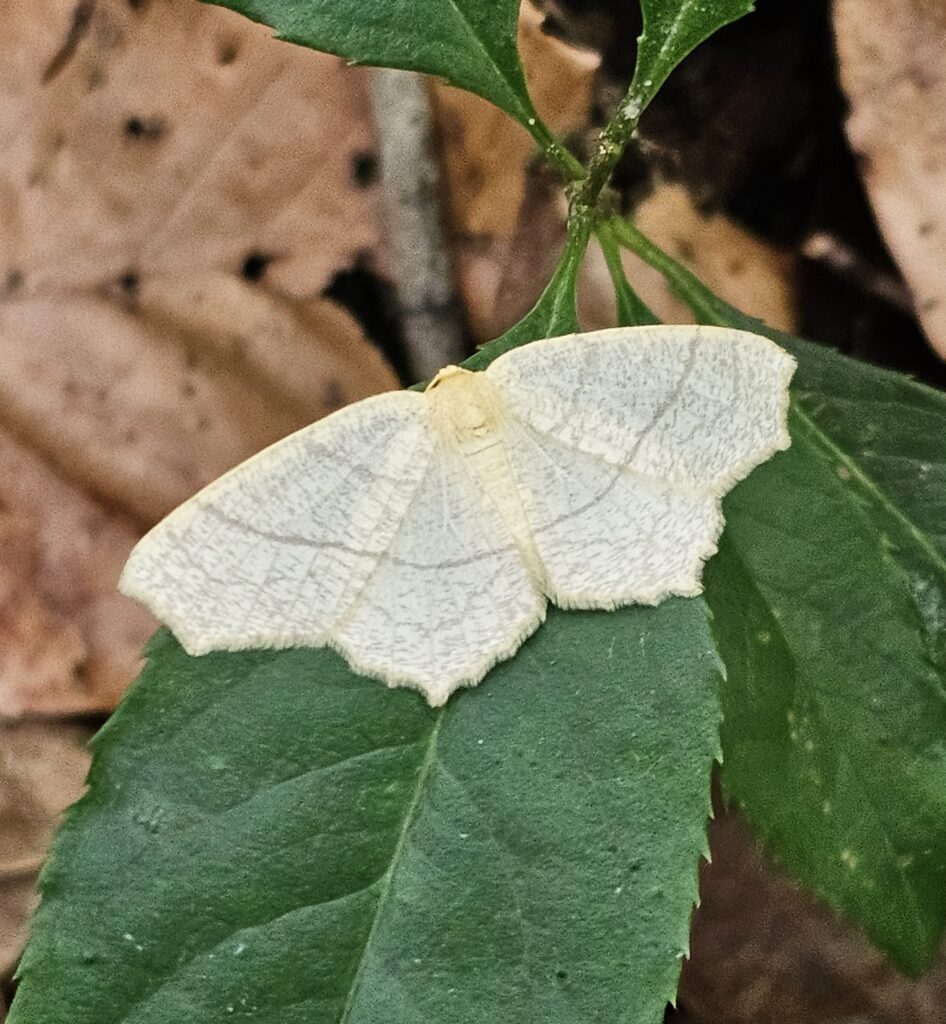
Oak besma moth (besma quercivoraria) is native to PA and can be found throughout North America.  Its name translates to “oak-eater”. Common in deciduous and mixed woodlands, the larvae feed on leaves of oak, elm, poplar, and willow. Their pale brown lines and speckles create the illusion of tree rings and texture, which is a beneficial camouflage to hide from predators.

Oak Besma Moth

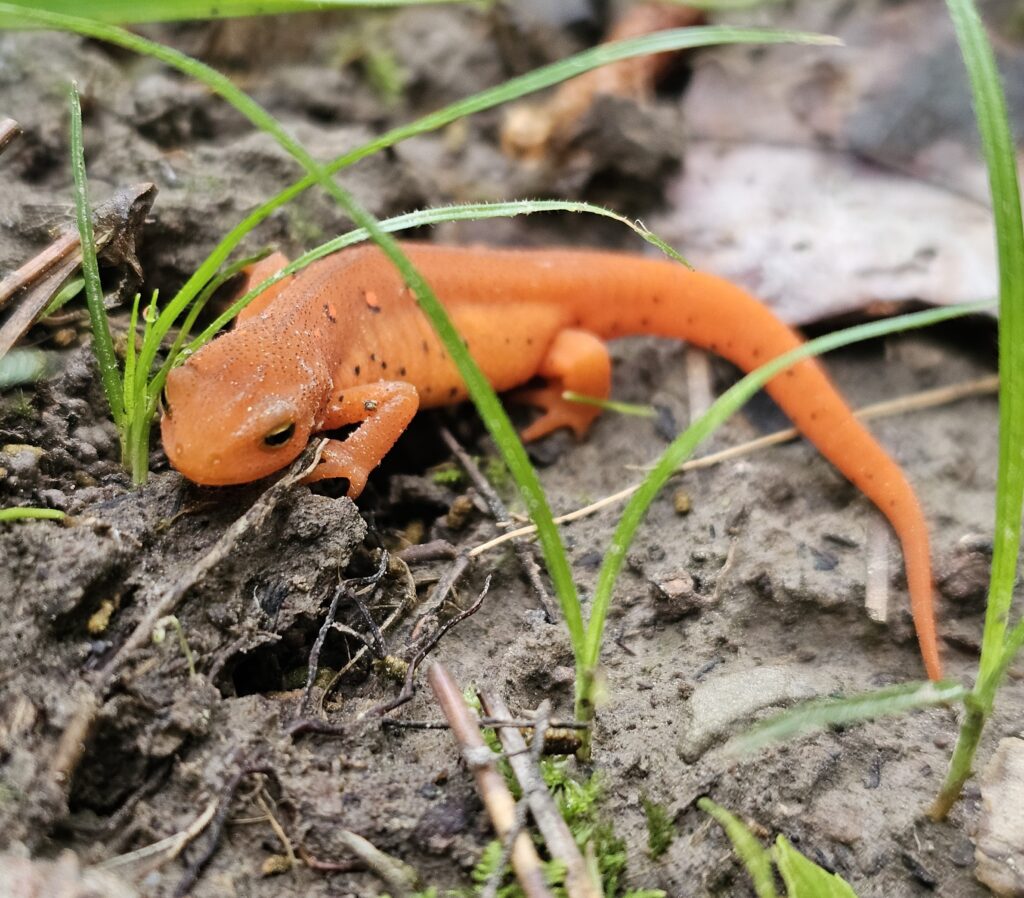
Observation #2: Eastern (red-spotted) Newt

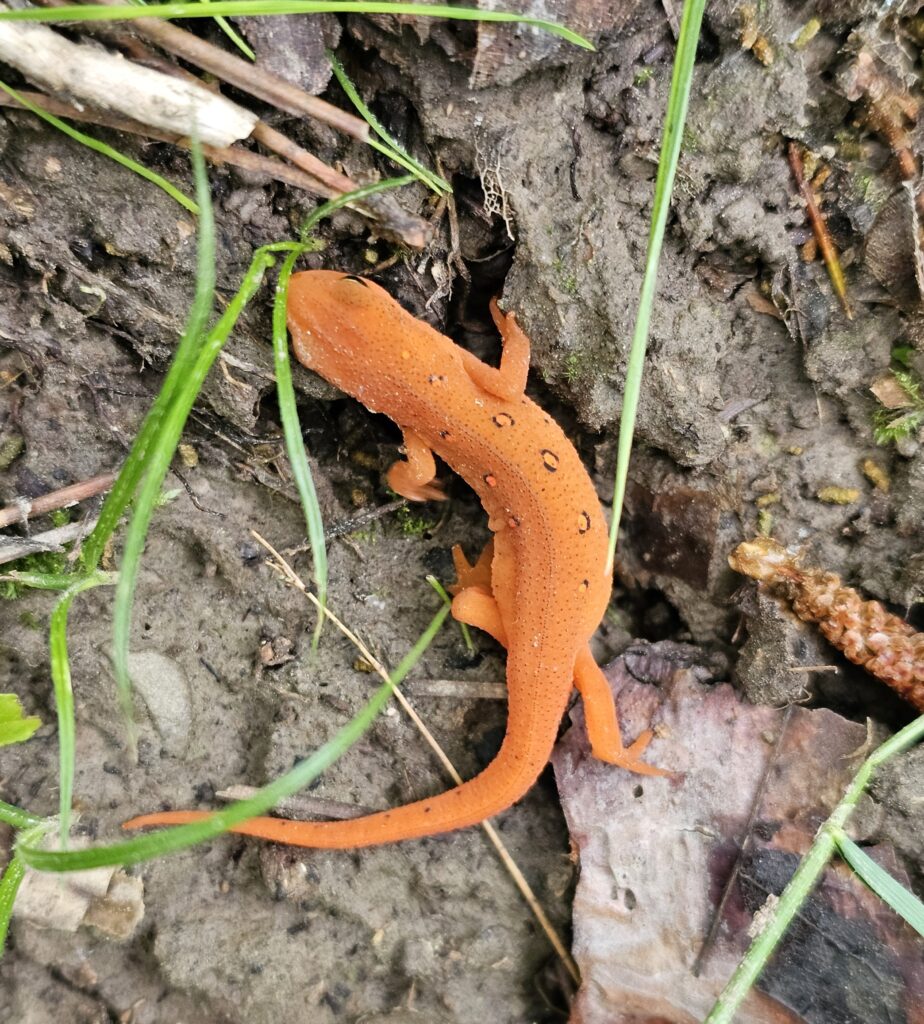
The Eastern (red-spotted) newt has a fascinating life cycle! Seen here in its “Red Eft” stage, this PA native amphibian embarks on a remarkable journey of transformation, that takes it from water, to land, and back to the water!

  • Egg Stage: It all begins as tiny eggs are laid in shallow, freshwater habitats like vernal pools.
  • Larval Stage (Aquatic): Hatching from the eggs, Eastern newt larvae emerge, resembling small tadpoles. They breathe through gills and spend their early days in the water.
  • Red Eft Stage (Terrestrial): After several months, the larvae undergo a transformation into their land-based stage known as “red efts.” The red eft is easily recognizable with its bright orange coloring and rows of black-ringed spots. While that coloration may look pretty to us, it serves as a warning to other animals that these guys are not a tasty snack! They develop lungs for breathing air and begin their adventures exploring the forest floor.
  • Adult Stage (Aquatic): As they mature, red efts transition back to the water. Their skin darkens, and they transform into the adult phase of the Eastern newt. Returning to forest ponds, they spend the rest of their lives in the water, where they reproduce and continue the life cycle.

Observation #3: Sounds of Nature

While observing this mature Eastern (red-spotted) Newt swimming around the pond, Sara heard a chorus of several other species, including a Redwing Blackbird, Ovenbird, Gray Catbird, and the single croak of a green frog.

How many species can you identify by sound in this video?!

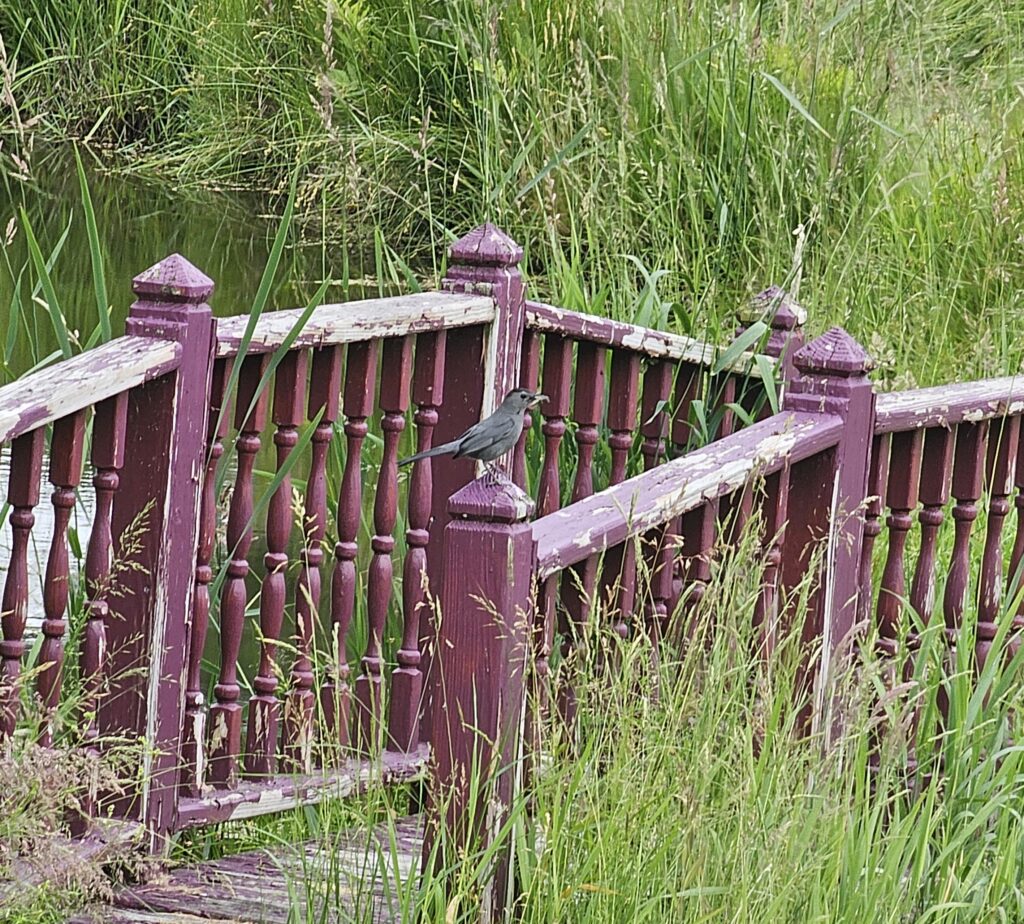
Observation #4: Gray Catbird

Gray catbirds (Dumetella carolinensis) are relatively common throughout most of the United States. They are particularly abundant in areas with early successional forests, which include abandoned farmland, thickets of young trees, and dense shrubs. These habitats provide the dense cover and abundant food resources that gray catbirds prefer.

Gray Catbird

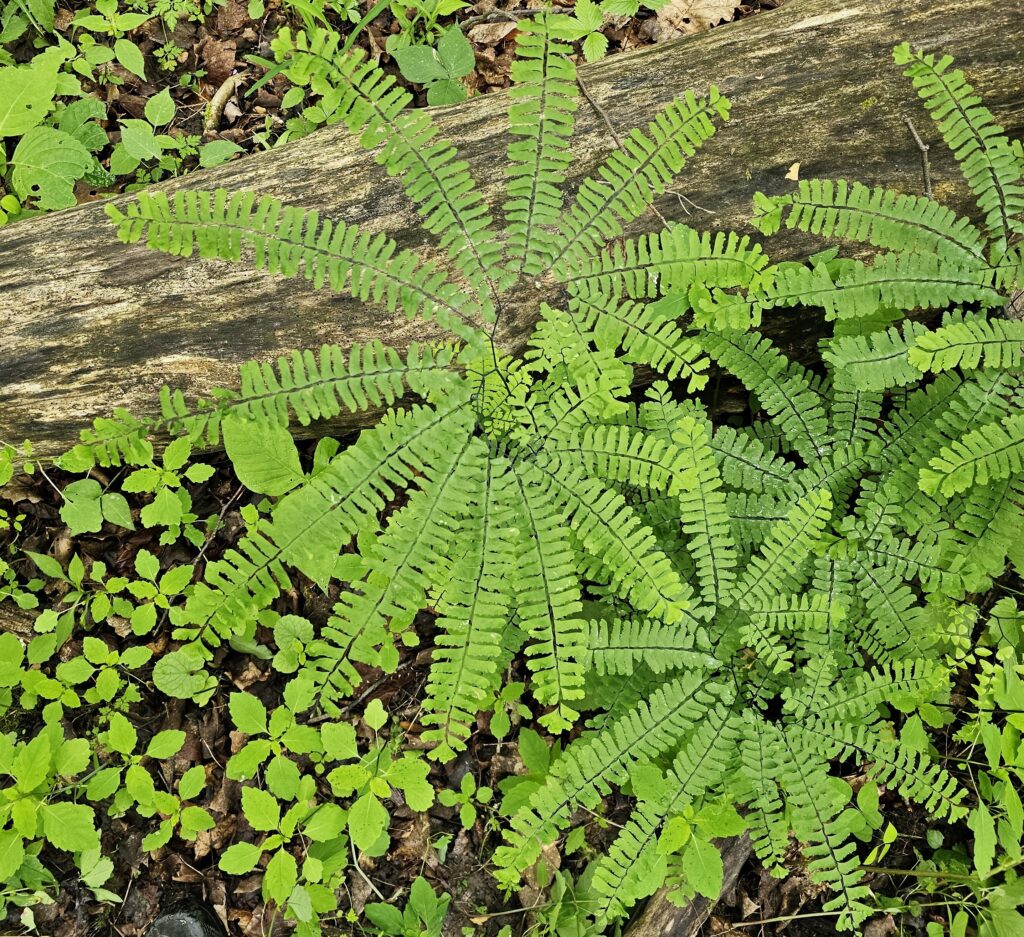
Observation #5: Northern Maidenhair Fern

The northern maidenhair fern (Adiantum pedatum) is easily identifiable by its unique structure, which features pinnae (divisions of compound leaves) forming a nearly perfect horizontal circle. This distinctive arrangement makes it stand out among other ferns. It is a native, deciduous perennial that thrives in cool, moist, and rich woods as well as shaded areas.

Northern Maidenhair Fern
Catch up on other Field Journal Friday entries:
Joshi Conservation Easement
Lyons Conservation Easement
Richards Conservation Easement
Logue-McMahon Conservation Easement
Zaner, Overlook & Power Dam Conservation Easements
Blackwell Conservation Easement

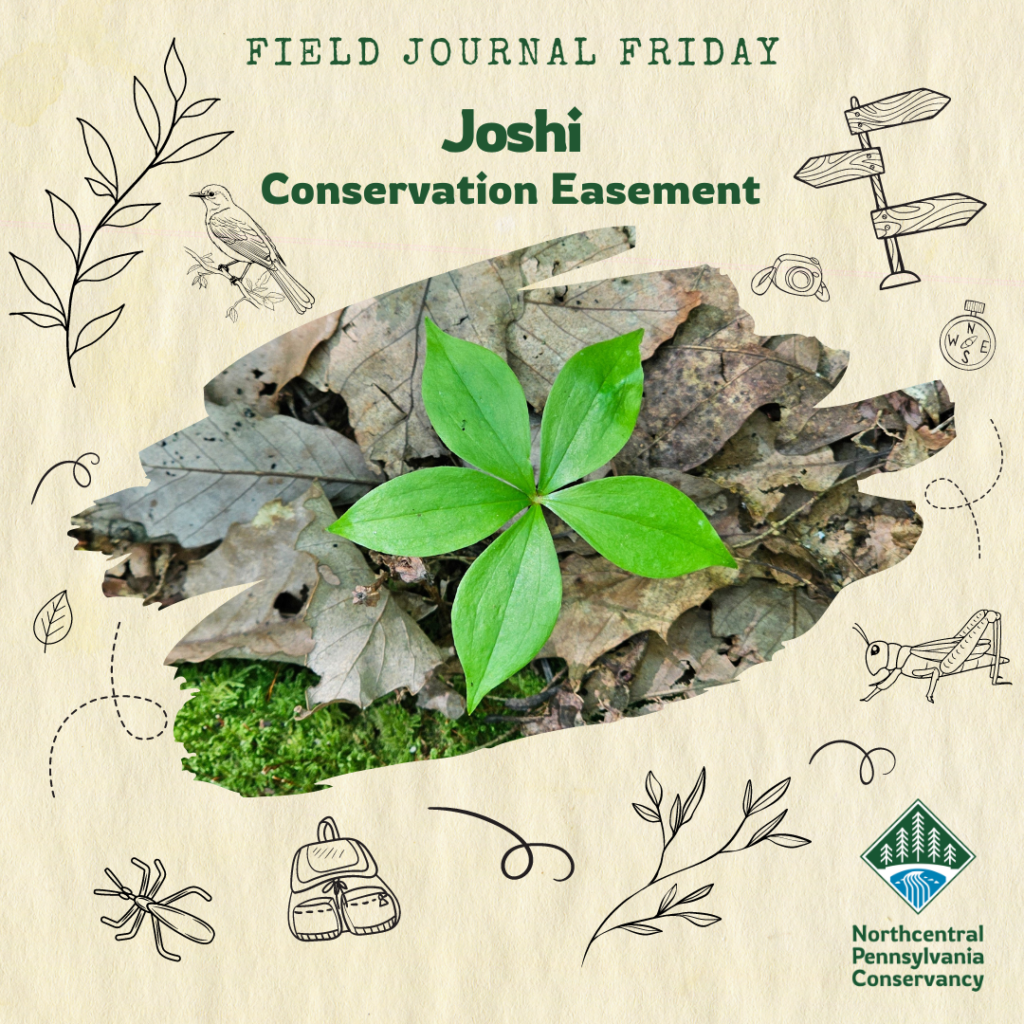
Field Journal Friday: Joshi Conservation Easement

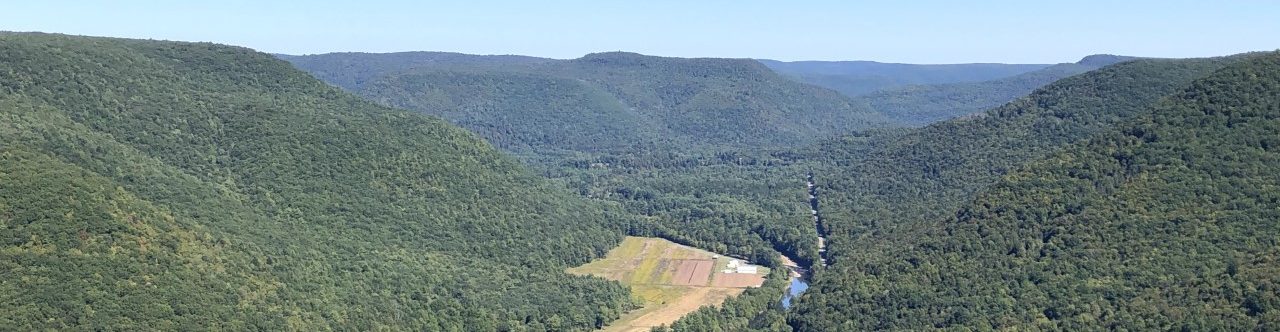
Today, we are exploring NPC’s Joshi conservation easement in Lycoming County. As you may recall from last week, this 87-acre property borders NPC’s Lyons Farm conservation easement. Connecting conserved lands is important because it creates large, continuous areas where animals and plants can live and move around freely. These connected areas help wildlife find food, shelter, and mates. Additionally, these connections help conserve the natural resources that keep the water and air clean for your communities.

Here are a few observations from Sara’s annual visit to the Joshi conservation easement.

Observation #1: Indian Cucumber

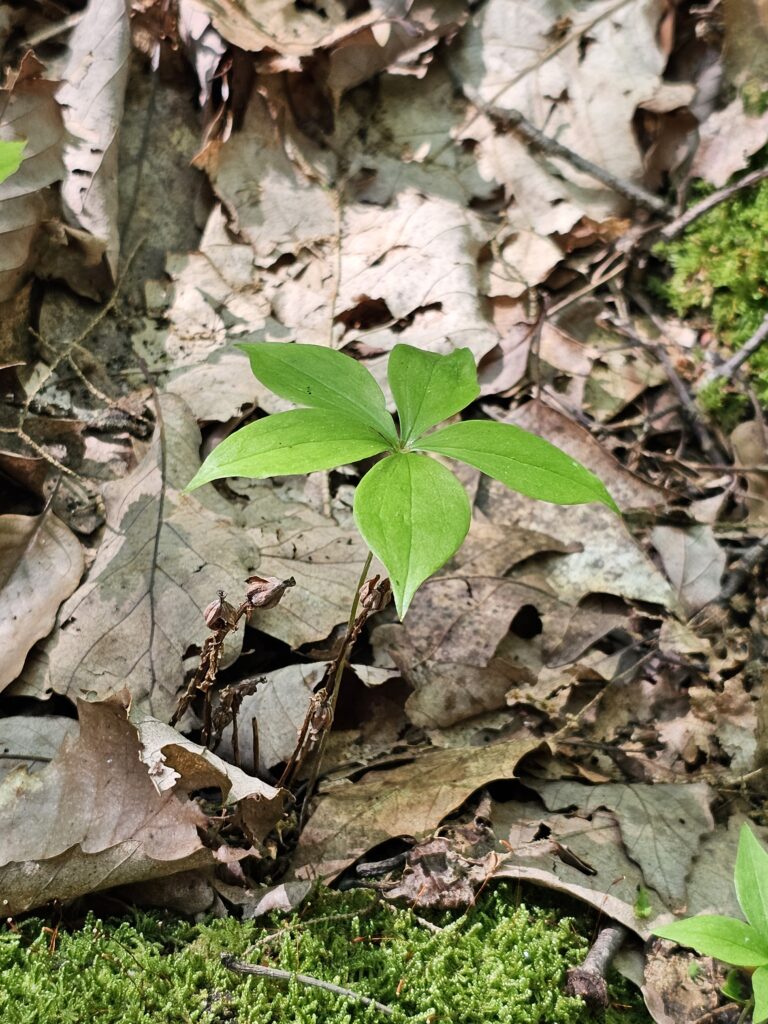
Indian cucumber (Medeola virginiana) is native to Pennsylvania and can be commonly found in the state’s forests. It thrives in moist, well-drained soils and shady environments, often under the canopy of mature hardwood trees. The cucumber part of the common name comes from the two to three-inch-long tuberous white root that smells and tastes like cucumbers. Native American tribes in PA traditionally gathered them as food and used the plant for its medicinal properties.

Indian Cucumber

Observation #2: Common Milkweed

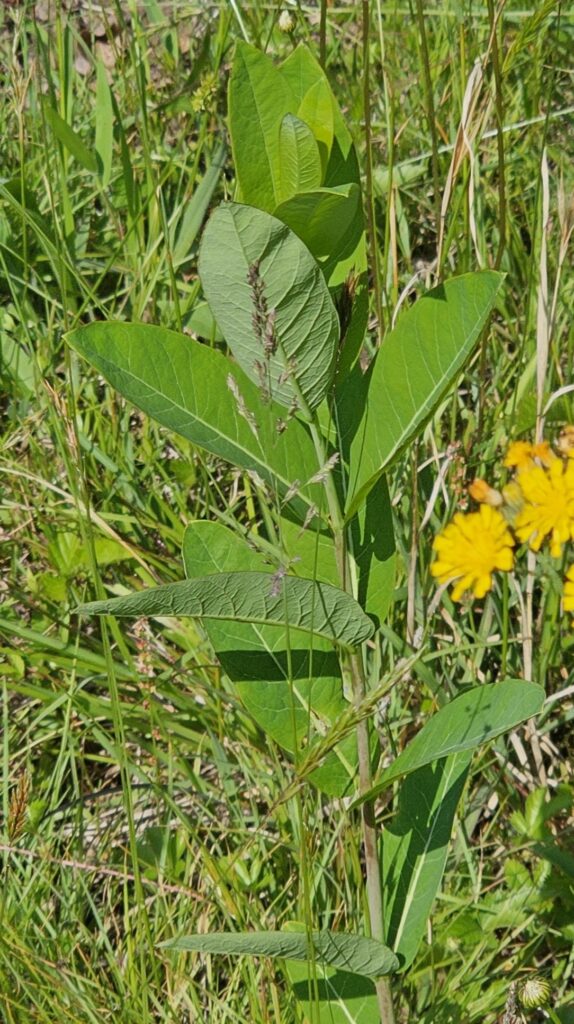
Common milkweed (Asclepias syriaca) is the only host plant for monarch caterpillars. Monarchs lay their eggs on common milkweed, and when those eggs hatch into caterpillars, they eat the leaves, which contain a compound that makes them toxic to their predators.

Common Milkweed

Observation #3: Web of a Grass Spider

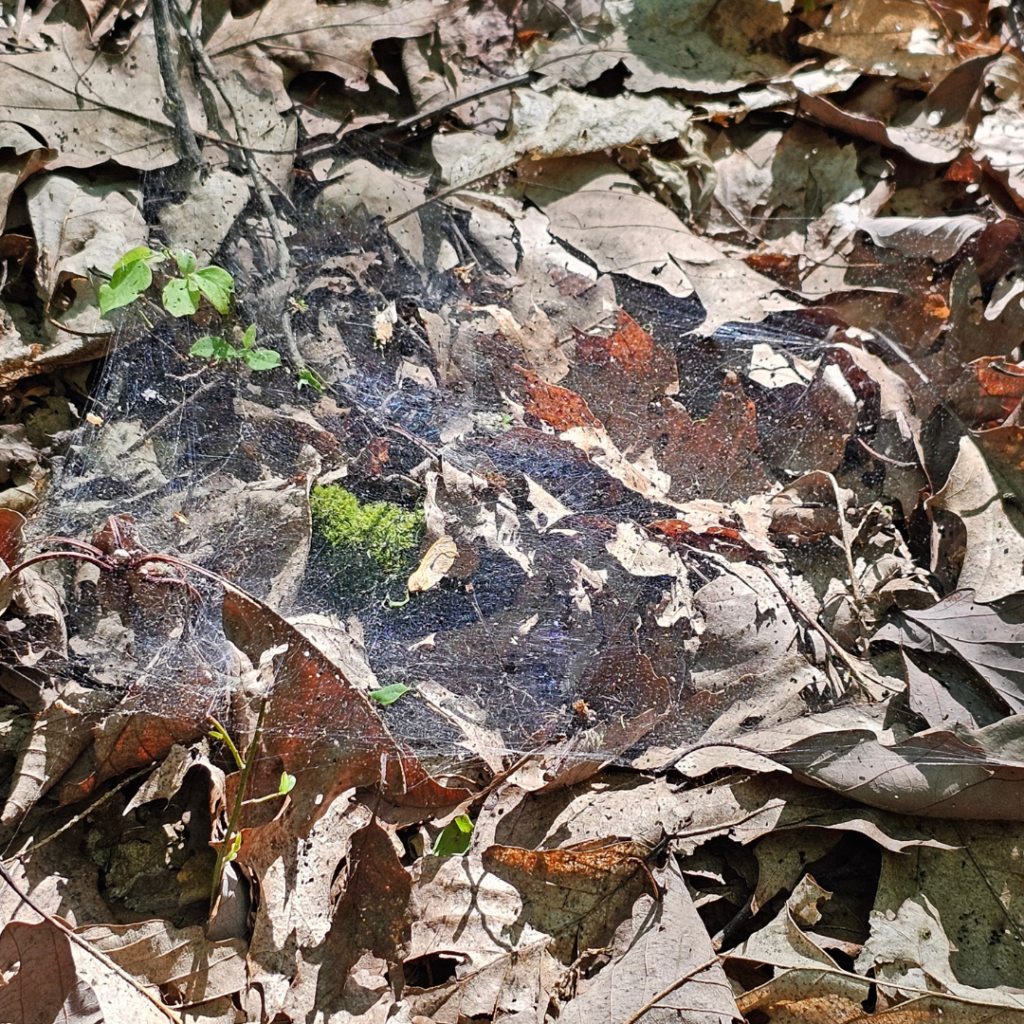
Grass spiders tend to be fast and shy, making it uncommon for them to bite humans. The web of this native Pennsylvania arachnid is seen more often than the spider itself. As you could guess from the name, their webs are often found in the grass, weeds, and other ground cover, in a horizontal orientation.

Web of a Grass Spider
Catch up on other Field Journal Friday entries:
Lyons Conservation Easement
Richards Conservation Easement
Logue-McMahon Conservation Easement
Zaner, Overlook & Power Dam Conservation Easements
Blackwell Conservation Easement