Aquatic August: Exploring Macros

Beneath the surface of our streams, rivers, and ponds, a hidden world teems with tiny creatures that reveal a lot about the health of our waters. These creatures, known as aquatic macroinvertebrates, might be small, but they are mighty indicators of water quality.

What Are Macroinvertebrates?

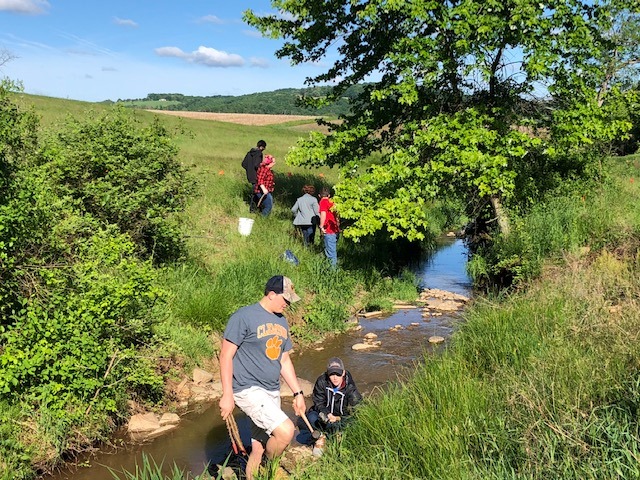
Macroinvertebrates, or macros, are small creatures that are visible to the naked eye and do not have a backbone. Aquatic macros live in all kinds of water, from fast mountain streams to slow, muddy rivers and ponds. Examples include insect larvae, clams, snails, and worms. Many of these creatures spend part or all of their lives on submerged rocks, logs, and plants.
Why Use Macroinvertebrates as Indicators?

The health of a water body often reflects the life it supports. Macroinvertebrates are sensitive to changes in their environment, making them valuable indicators of water quality. Their presence, abundance, and diversity provide important clues about the condition of their aquatic habitat:

  • Pollution Sensitivity: Some macroinvertebrates are very sensitive to pollutants like excess nutrients, sediments, or toxins. A drop in their numbers can signal deteriorating water quality, while an increase can indicate improvements (see NPC’s Turtle Creek project!).
  • Habitat: Different species thrive in different conditions. By identifying which species are present, biologists can infer habitat conditions such as oxygen levels or sedimentation.
  • Long-Term Indicators: Unlike fish, which may migrate or have varying tolerances, macroinvertebrates are generally sedentary. Their presence reflects long-term environmental conditions.
  • Collection: They are relatively easy to identify and collect using simple methods.
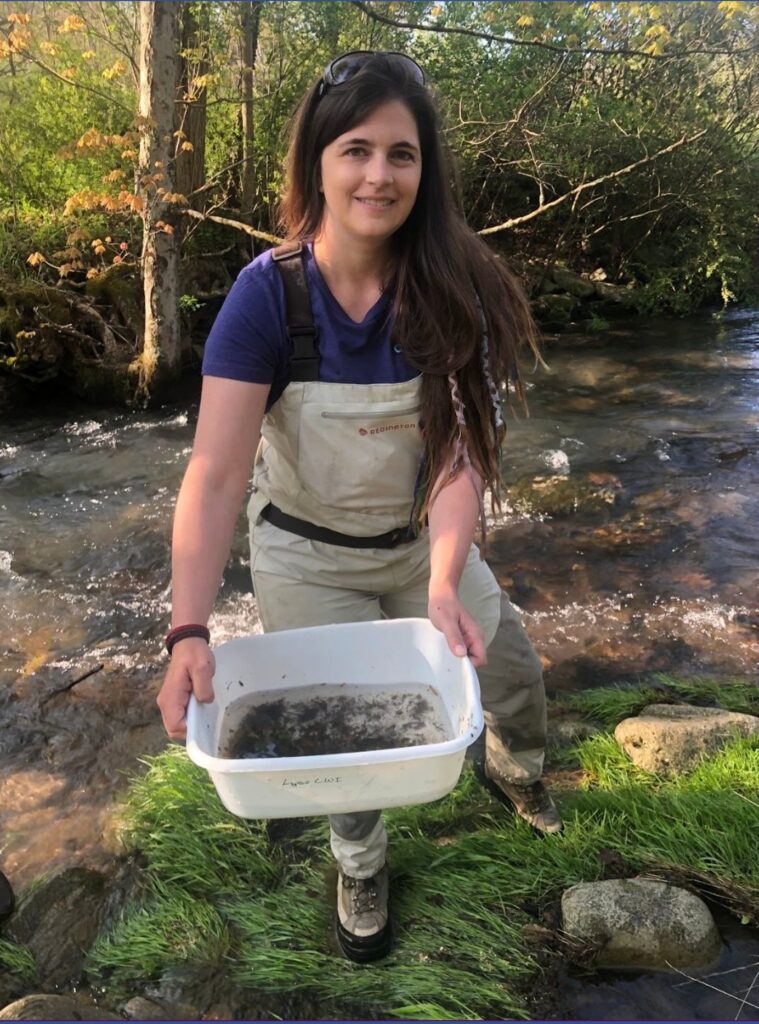
How Biologists Collect Samples

The EPT Index is a key tool used to assess stream and river quality by examining the presence and diversity of three groups of aquatic macros: mayflies (Ephemeroptera), stoneflies (Plecoptera), and caddisflies (Trichoptera). Here’s how it works:

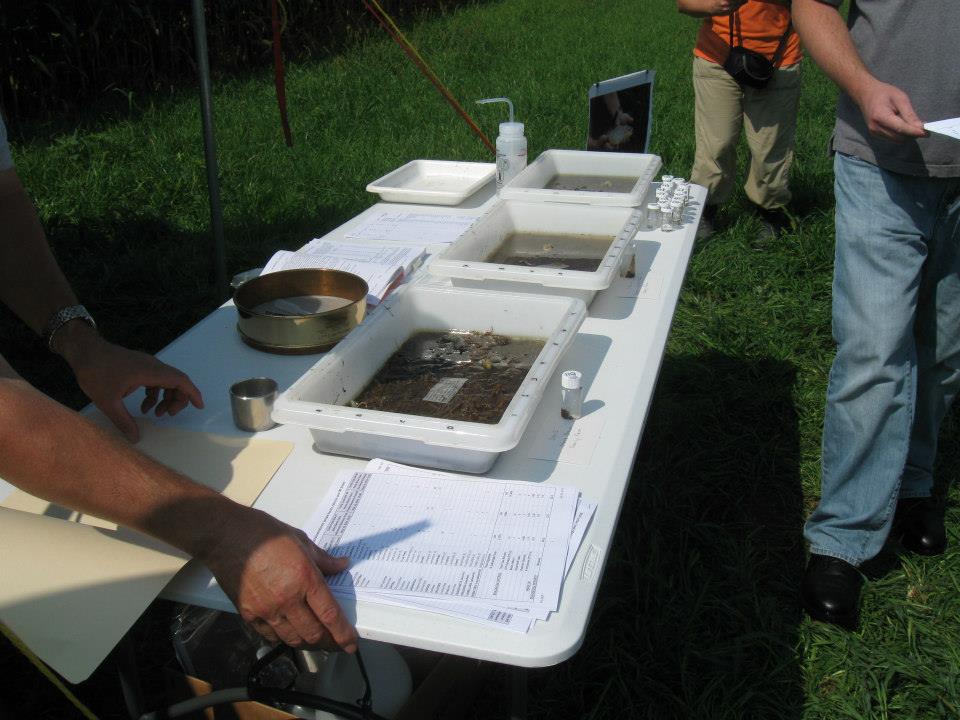
  • Sampling: Biologists collect samples of aquatic insects from stream or riverbeds. These samples may include larvae and nymphs of mayflies, stoneflies, and caddisflies, as well as other species.
  • Identification: The collected insects are sorted and identified to determine which species are present.
  • Assessment: The number and types of each insect species are counted. The data is used to calculate the EPT Index. A high number of different species of mayflies, stoneflies, and caddisflies indicates good water quality, as these insects are sensitive to pollution.
  • Understanding: Streams with many different kinds of these insects have high water quality. Streams with fewer sensitive species and more pollution-tolerant species suggests lower water quality.

The EPT Index helps monitor and manage water quality in Pennsylvania by providing a clear picture of the health of our waters.
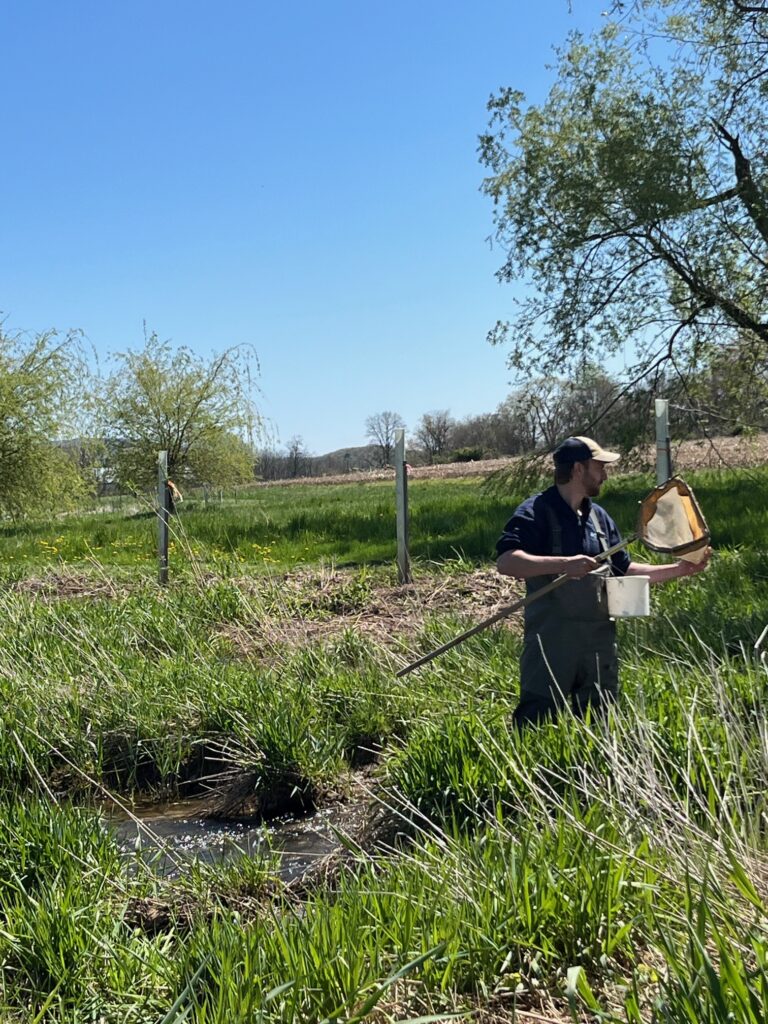
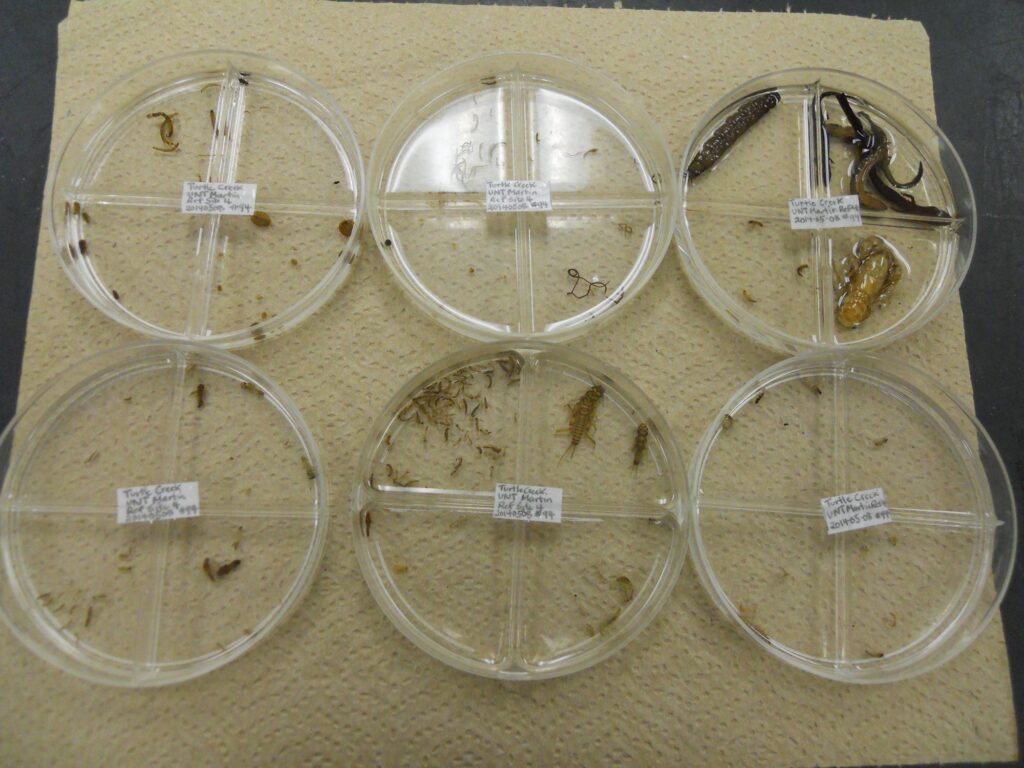
Meet the Mayflies, Stoneflies, and Caddisflies

Let us take a closer look at these pollution-intolerant water insects:

Mayflies (Order Ephemeroptera):

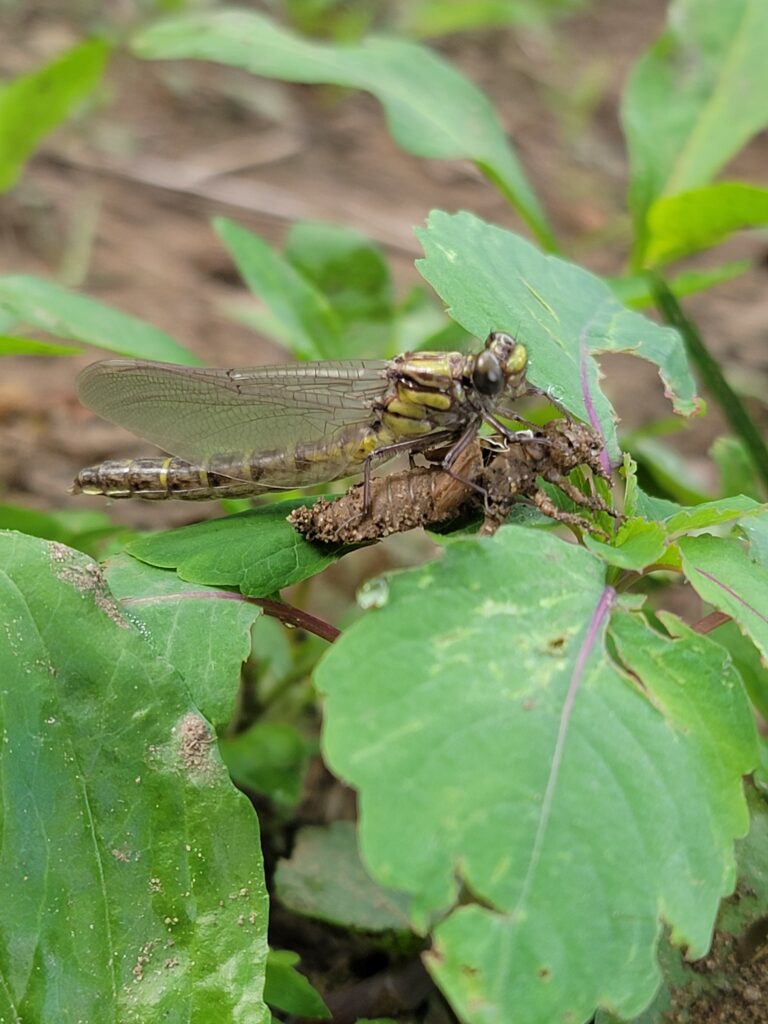
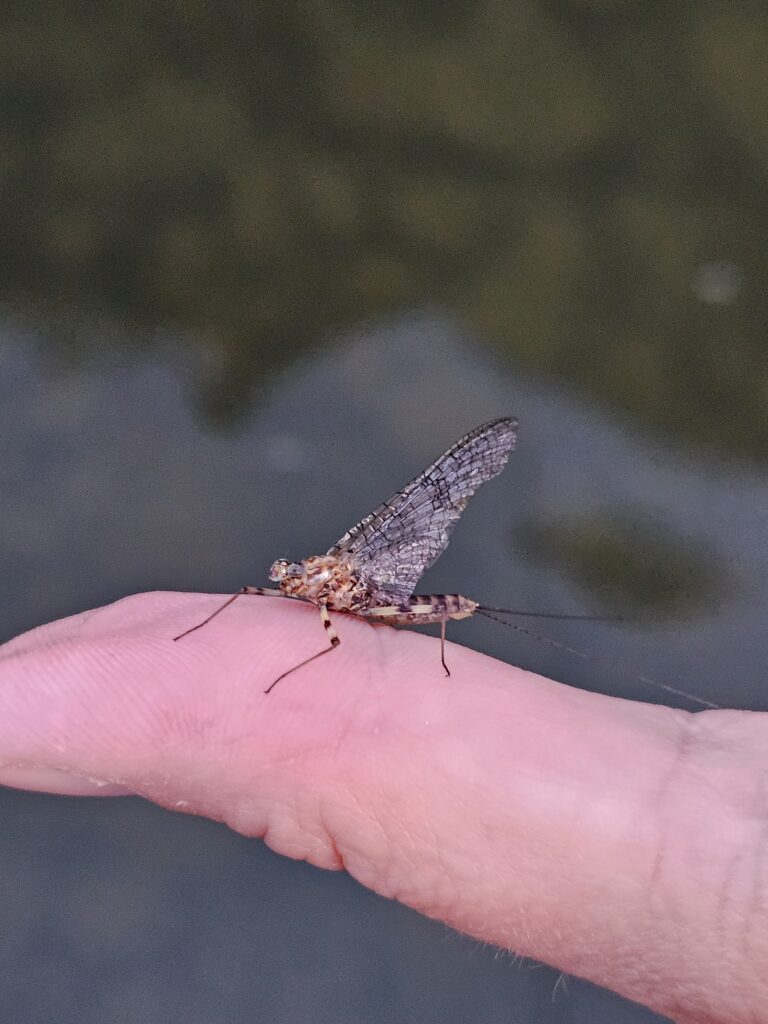
Mayflies are a favorite food for trout and have a brief adult lifespan, often living just a few hours to a day. They have delicate wings and long, slender bodies. Their nymphs are flattened and have gills along the abdomen. They are good indicators of water quality because they are sensitive to pollution and require clean-oxygen-rich water to survive.
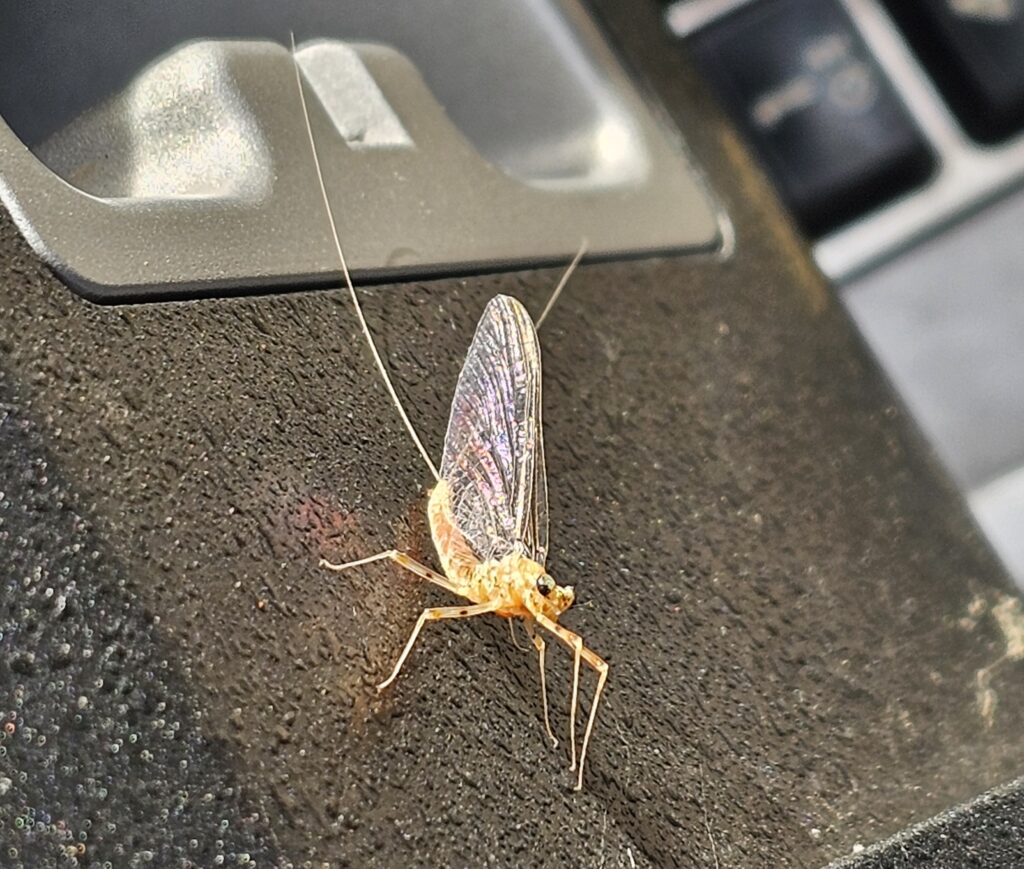
Adult Mayfly

Stoneflies (Order Plecoptera):

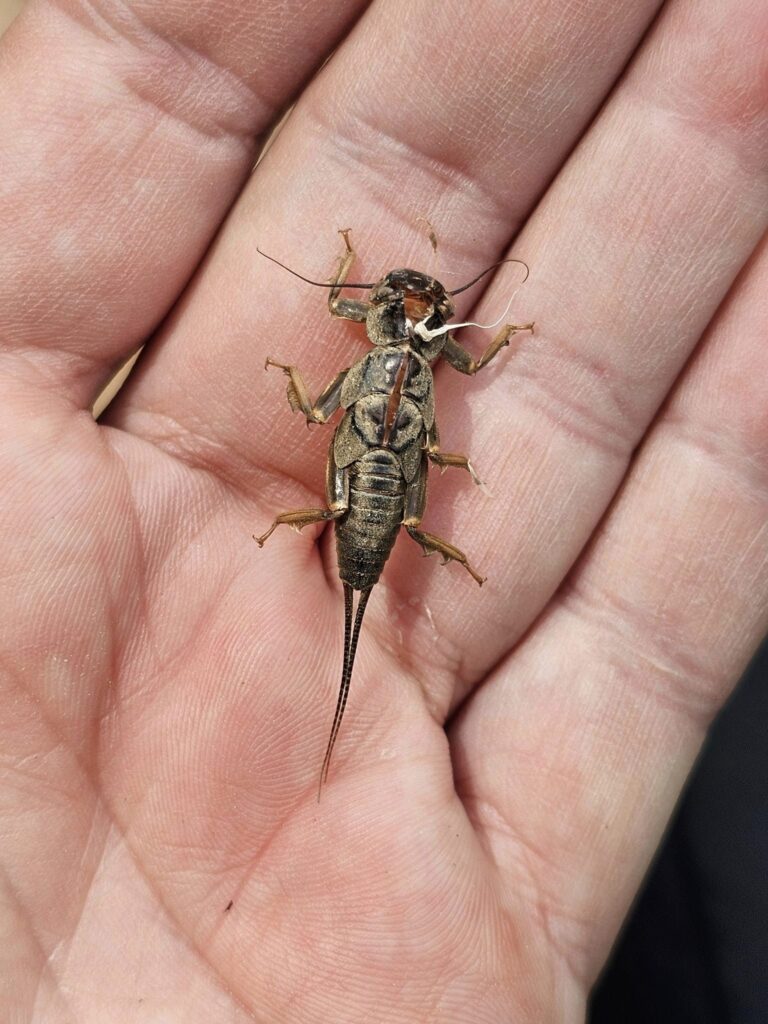
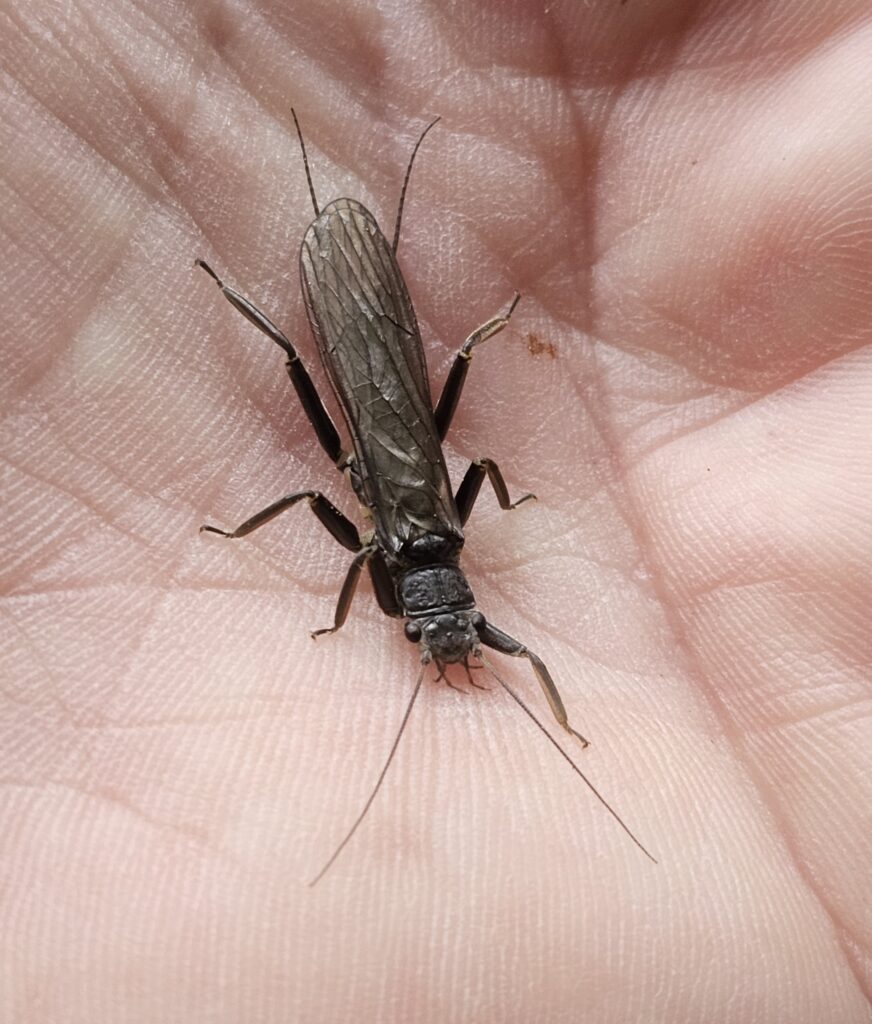
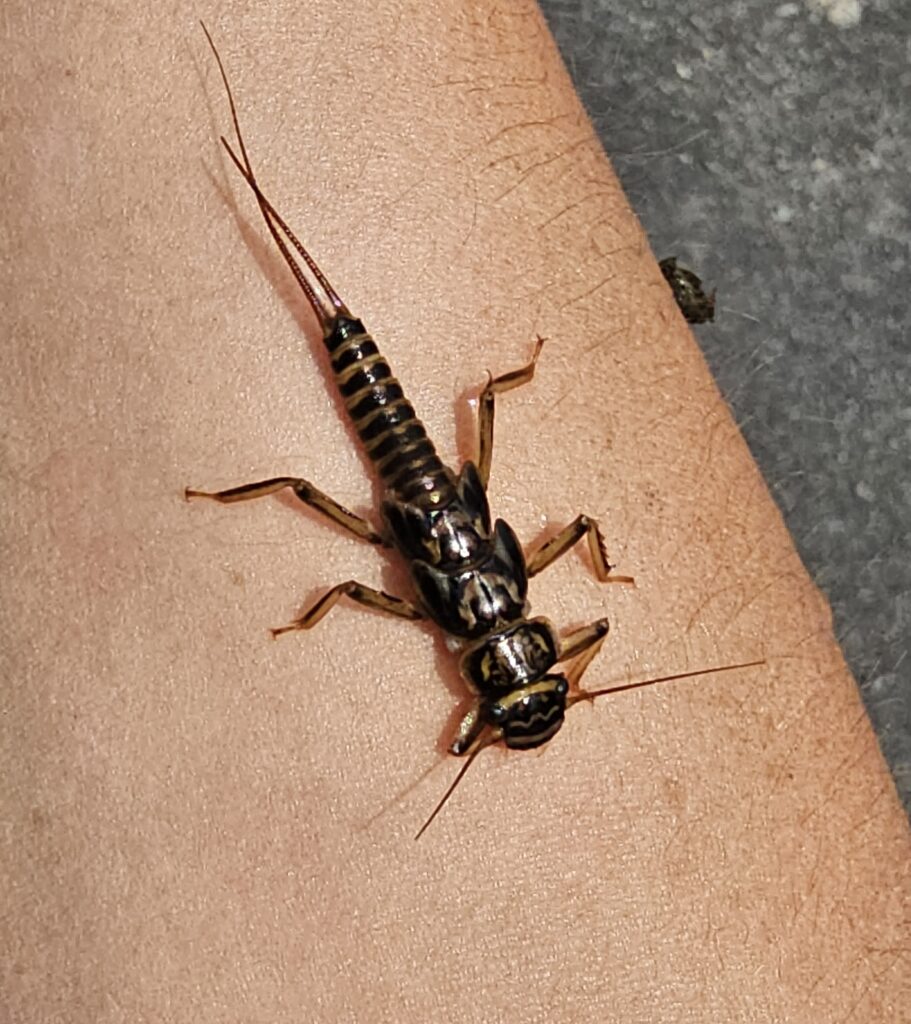
Stoneflies are commonly found in running waters, clinging to boulders, cobbles, water-soaked wood, and leaf packs. Most species are either predators or shredders, feeding on decaying plant material. The presence of stoneflies indicates excellent water quality. However, their absence does not always mean pollution; it could just mean the specific habitat conditions they need aren’t present. In low-oxygen conditions, stonefly larvae do “push-ups” to move water across their gills!
Caddisflies (Order Trichoptera):

Female caddisflies lay their eggs in or just above the waterline. When the eggs hatch, larvae emerge and live underwater for up to a year, using feathery gills to breathe. Some species of larvae build protective cases from materials like sand, gravel, leaves, and twigs, which offer camouflage and protection from predators. While net-spinning caddisfly larvae build nets to collect detritus (leaf particles) to eat as they flow downstream. After pupating, they transform into winged adults and live for about a month. The presence of caddisflies usually signals good water quality.
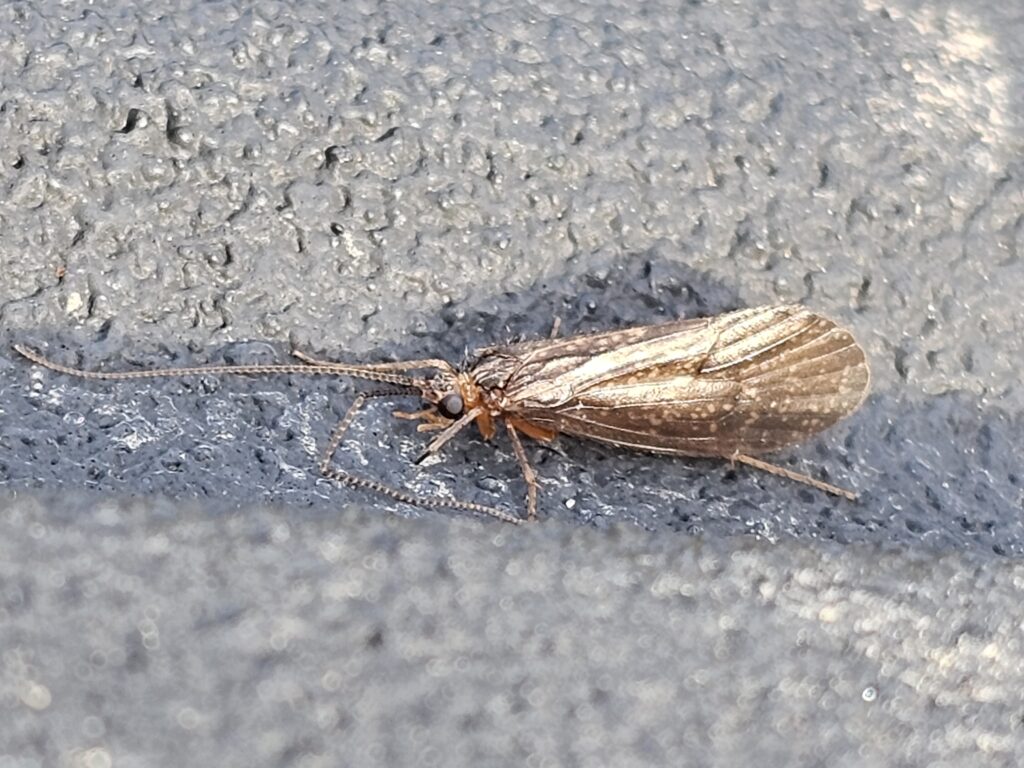
Adult caddisfly

Magical Macros & the Northcentral Stream Partnership

By studying these tiny indicators, biologists can gauge the health of our waters and help direct conservation efforts. As part of the Northcentral Stream Partnership, the Northcentral Pennsylvania Conservancy (NPC) collaborates with state agencies, county conservation districts, and landowners to restore the health of impaired streams in our region. Through various streambank stabilization projects, we work to decrease erosion, reduce pollution, enhance habitat for aquatic life, and stabilize banks with native plantings.
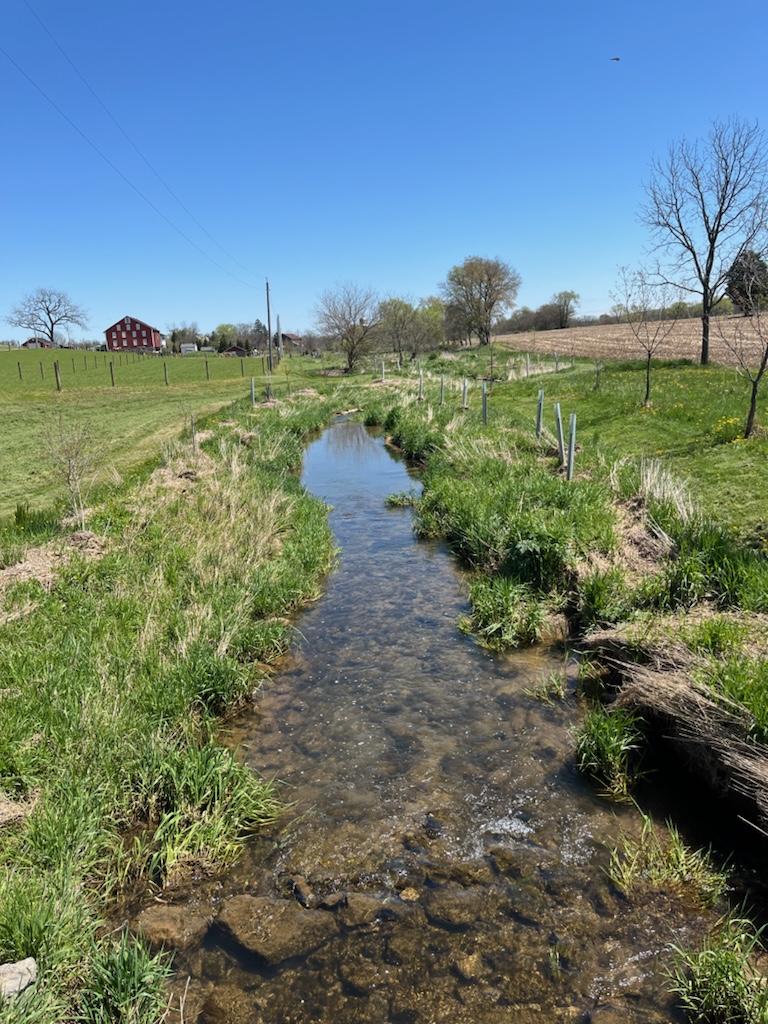
In early 2024, two segments of Turtle Creek were removed from Pennsylvania’s list of impaired waters after being resampled by biologists. The sampling revealed a comeback of our favorite macros—mayflies, stoneflies, and caddisflies! This wasn’t by magic, but rather the result of teamwork, consistent effort, and the support from the NPC membership.  So, the next time you spot a mayfly drifting on the surface or a caddisfly case nestled in the sediment, take a moment to relax—you’re in healthy water!
NPC Awarded Grant to Support Stream Health

The Northcentral Pennsylvania Conservancy (NPC) members support the health of our streams
and rivers through a variety of forward-thinking projects. Which is why we are thrilled to
announce that NPC was recently awarded a grant from the Susquehanna River Basin Commission (SRBC) to support upcoming projects on Spring Creek in Centre County.

NPC is teaming up with the Pennsylvania Fish and Boat Commission (PFBC) and Western Pennsylvania Conservancy (WPC) at three sites over the next three years to:

  1. Improve habitats in and around the stream
  2. Improve wetlands and increase groundwater recharge
  3. Reduce sediment and nutrients in the water
  4. Improve the connection between the stream and its floodplain

Log and rock structures will be added to the stream to reduce erosion. These structures can also
help reconnect Spring Creek to its floodplain. This will help improve water quality and improve
habitat in the stream, especially during low-flow periods.

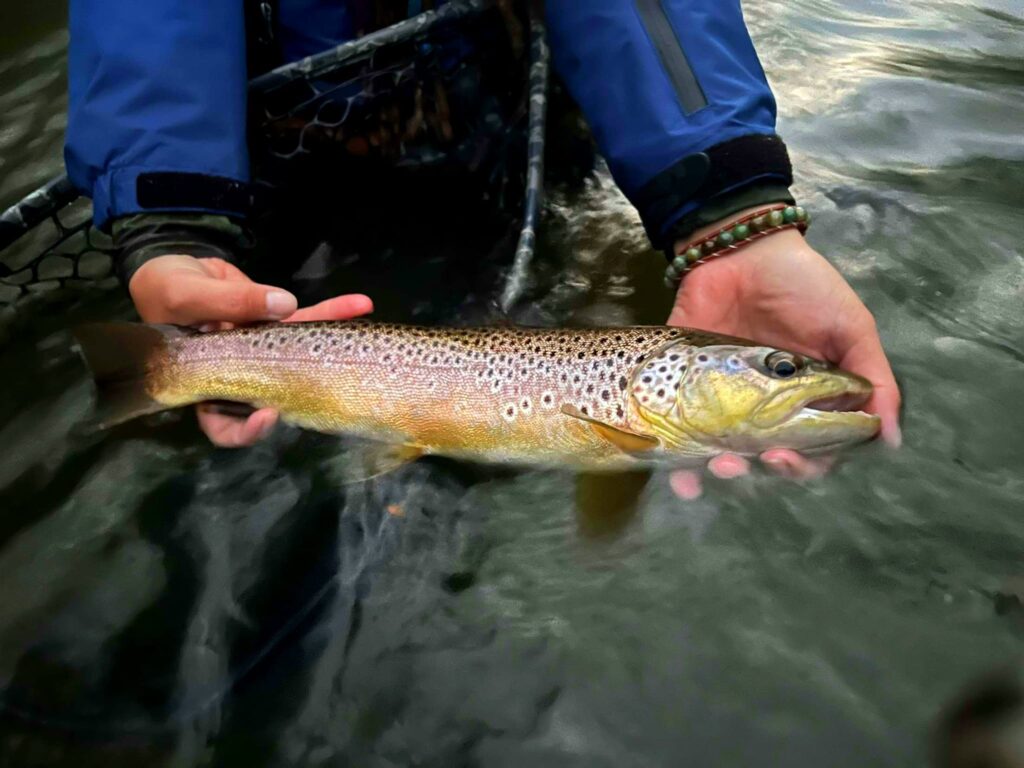
Wild Brown Trout (photo credit Sara Schlesinger)

After the structures are installed, the team plans to add new plants to the stream banks. This
riparian buffer will help stabilize the banks, add leaf litter (food for various water insects), and
provide shade, which will help keep the water cooler and reduce evaporation.

NPC is looking forward to kicking off this project with our partners later this summer. Thank
you to SRBC and to the NPC membership for their ongoing support!

Conservation Partnerships Improve Stream Health

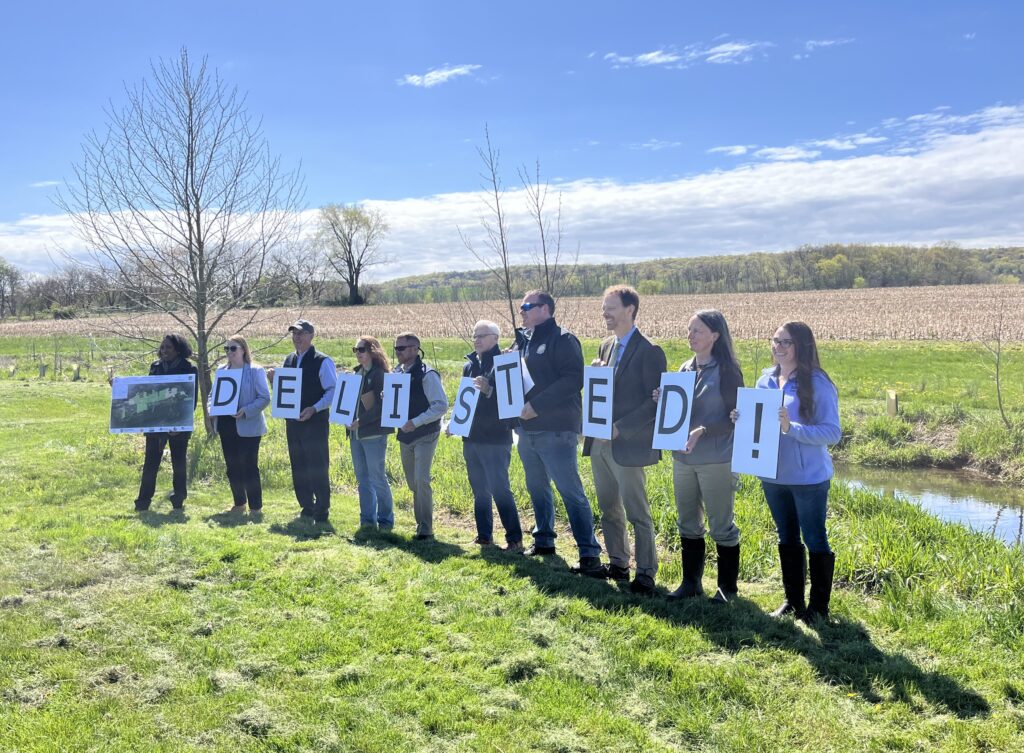
Thursday, 4/25/24 – It was an exciting day at Turtle Creek as the Northcentral Pennsylvania Conservancy (NPC) and the rest of the Northcentral Stream Partnership welcomed guests and dignitaries to the streambanks of Turtle Creek!  The cause for celebration:  two streams in the Turtle Creek Watershed in Union County were removed, or “delisted,” from PA’s list of impaired waters.

That’s a huge turnaround from just a decade ago, when walking along Turtle Creek you would have noticed deeply eroded streambanks, a wider stream channel, livestock trampling the stream’s edge, and shallow waters that could barely support fish and other aquatic life. 

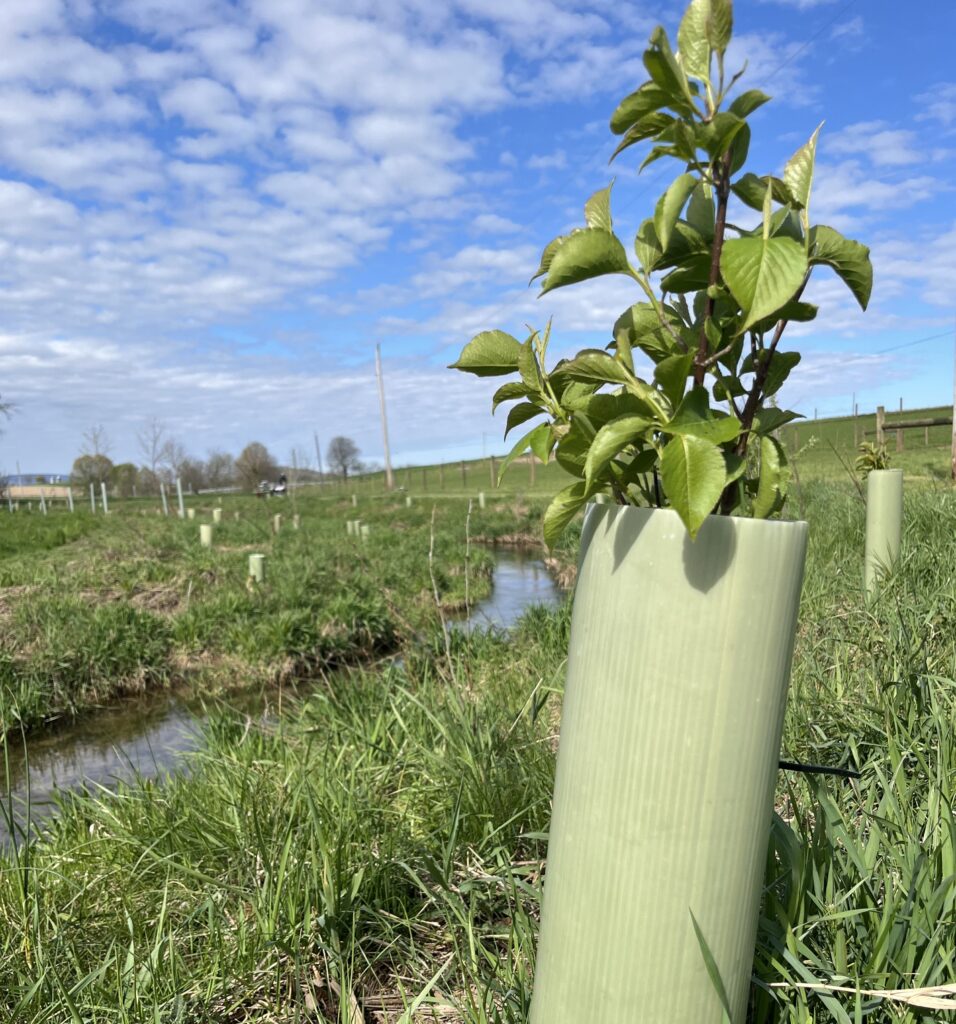
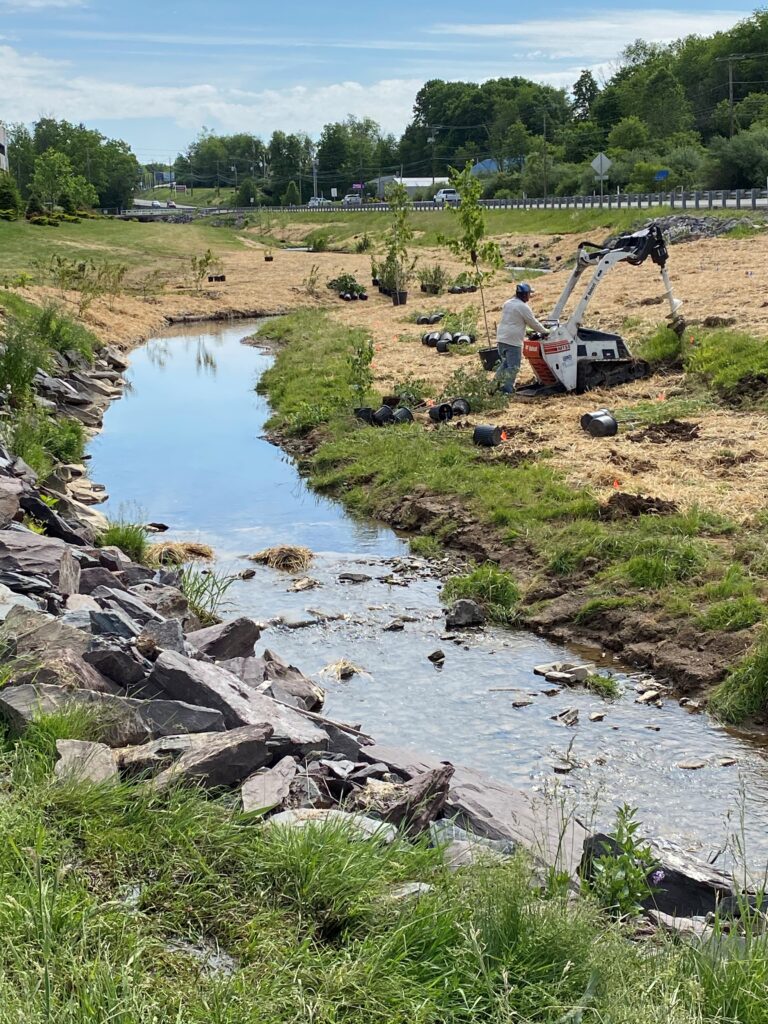
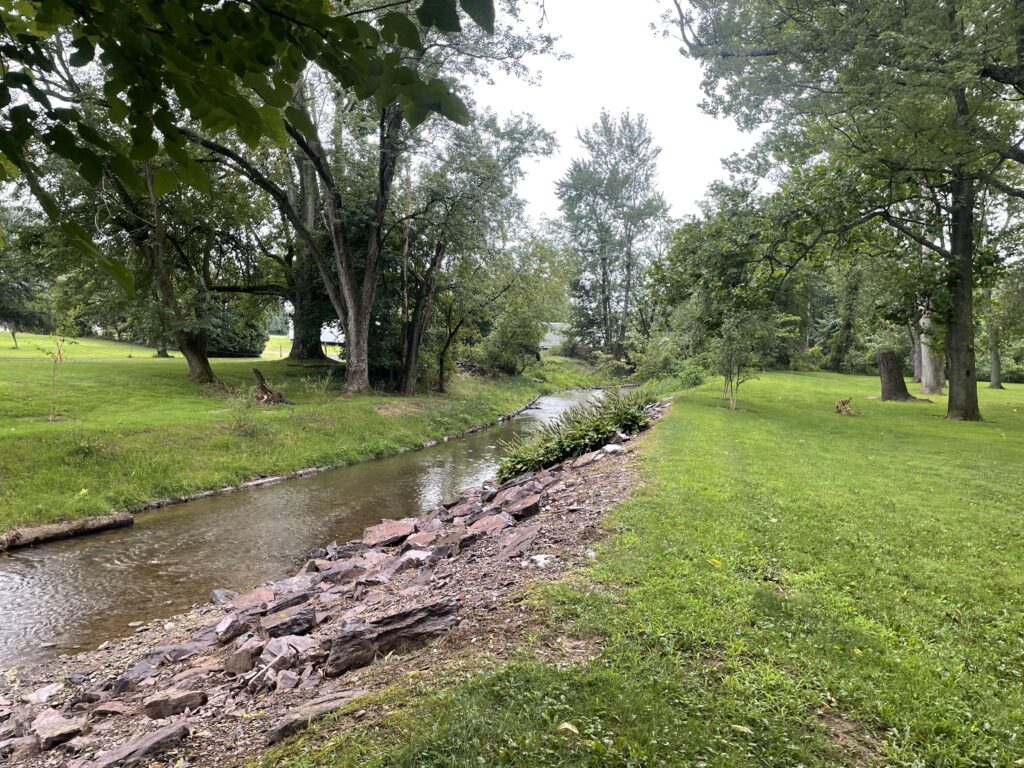
Today a lush riparian buffer lines its banks. The plant roots strengthen the bank, holding back erosion and reducing sedimentation while mature trees provide shade, cooling the water for fish and other species.  Natural log and rock structures stabilize the bank while providing better habitat for fish and a variety of macroinvertebrates. Fencing and stream crossings help keep cattle and other livestock from compacting the stream’s edge.

Native tree plantings line the streambank on a segment of Turtle Creek.

So how did this struggling stretch of streams go from polluted and impaired to restored and serving as a healthy water resource for our communities once again?

Teamwork.

The “team” in this case, is the Northcentral Stream Partnership, a partnership consisting of the Northcentral Pennsylvania Conservancy, PA Fish and Boat Commission (PFBC), PA Department of Environmental Protection (DEP), county conservation districts, and willing landowners. The Partnership formed in 2007. Individually each “player” came with their own strengths, and when they all started working together, that is when the real magic happened…or in this case, delisting!

In attendance for the occasion were guests and representatives from each of the partnerships, including DEP Acting Secretary Jessica Shirley, Pennsylvania Department of Agriculture (PDA) Secretary Russell Redding, PFBC Executive Director Timothy Schaeffer, Senator Gene Yaw, Senator Scott Martin, and Chesapeake Conservancy Executive Director Joel Dunn.

“We are proud to showcase the significant accomplishments made to improve Turtle Creek and the surrounding watershed. Restoring water quality and habitat while maintaining the watershed as a working agricultural landscape was no small undertaking, and it is yielding incredible results. The Turtle Creek watershed is a prime example of how strong partnerships, innovation, and sustained and strategic investments have restored local streams. This success would not have been possible without our state and local agency partners, including the Northcentral Pennsylvania Conservancy and county conservation districts. Together, we’ll restore more streams and protect more watersheds across Pennsylvania.” 

DEP Acting Secretary Jessica Shirley

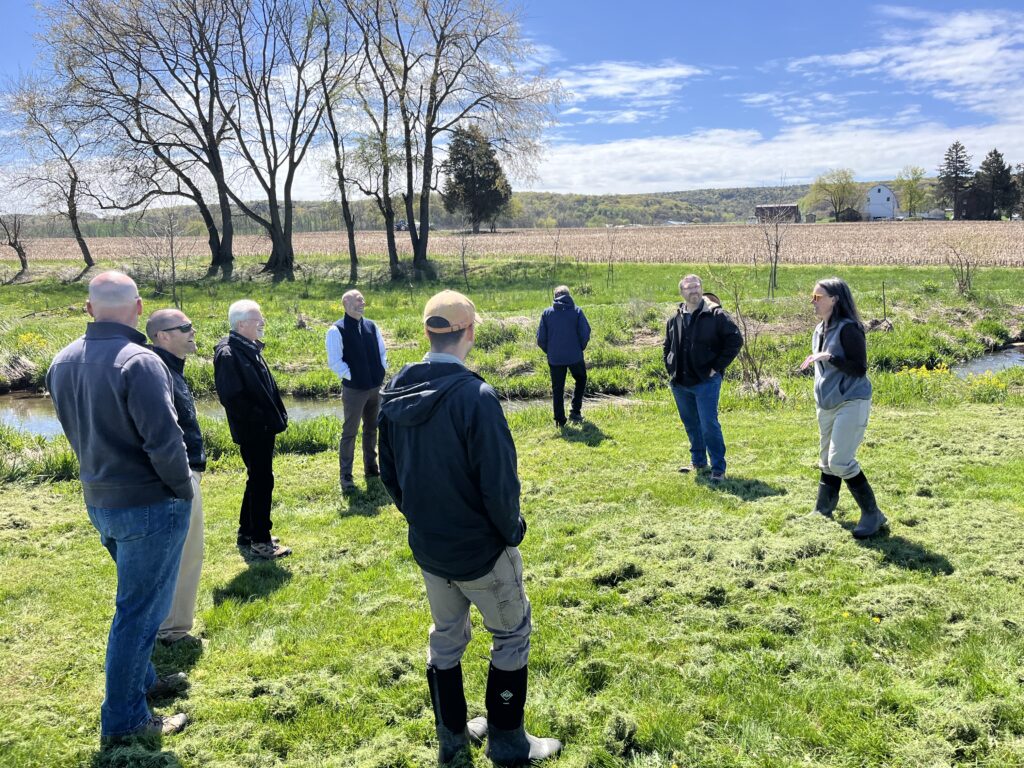
The Union County Conservation District hosted the event and the Partners led attendees through an informational tour on the projects happening within the Turtle Creek watershed that led to delisting.

NPC Executive Director, Renee’ Carey, and Landowner, Josh Satteson, share about the benefits of riparian buffers and the landowner perspective.

In Acting Secretary Jessica Shirley’s opening remarks, she declared, “The Northcentral Pennsylvania Conservancy has been an active leader in the Turtle Creek restoration efforts from the beginning, and have been the backbone of the Northcentral Stream Partnership, setting an example for others to follow.”

With the “delistings” of these 2 streams, NPC and the Northcentral Stream Partnership have demonstrated how working together we can make a difference to restore the health of our streams, instilling hope and inciting action throughout PA and the entire Chesapeake Bay.

This incredible accomplishment belongs to every single member, partner, and supporter of the Northcentral Pennsylvania Conservancy. 

YOU ARE MAKING A DIFFERENCE!

Thank you for being a part of the team and supporting these ongoing conservation efforts!

Check out what others are sharing about the work you’re helping NPC accomplish:
Dept. of Environmental Protection Press Room
WNEP Press Room
WVIA Press Room
Daily Item Press Room

NPC and W&L Subaru Team up to Tackle a Series of Conservation Projects

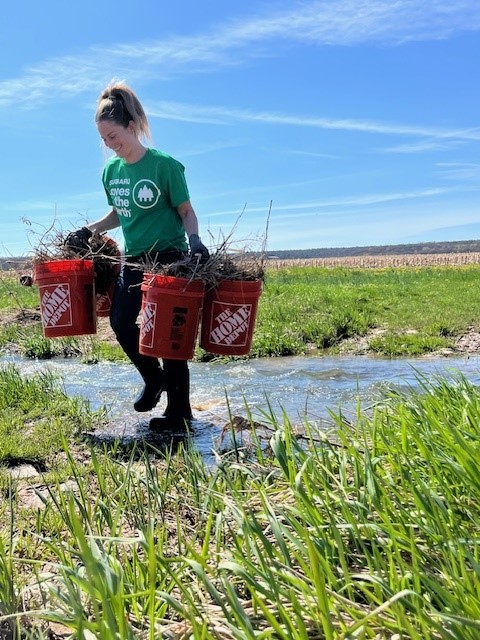
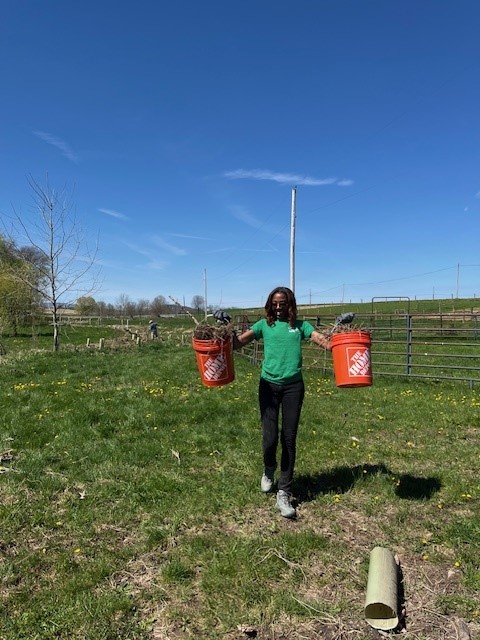
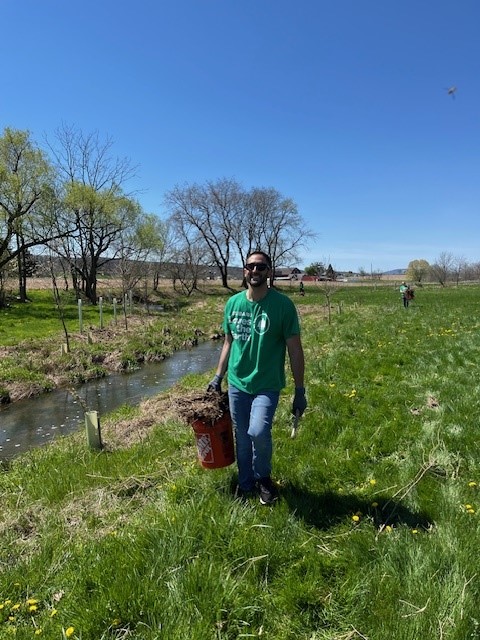
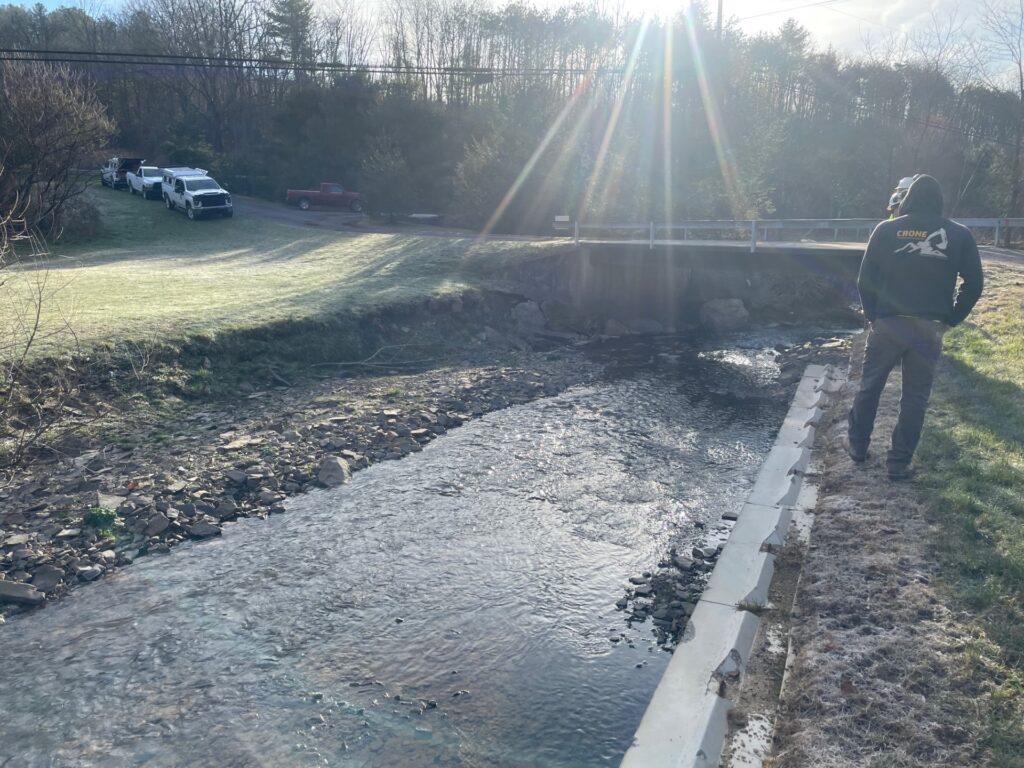
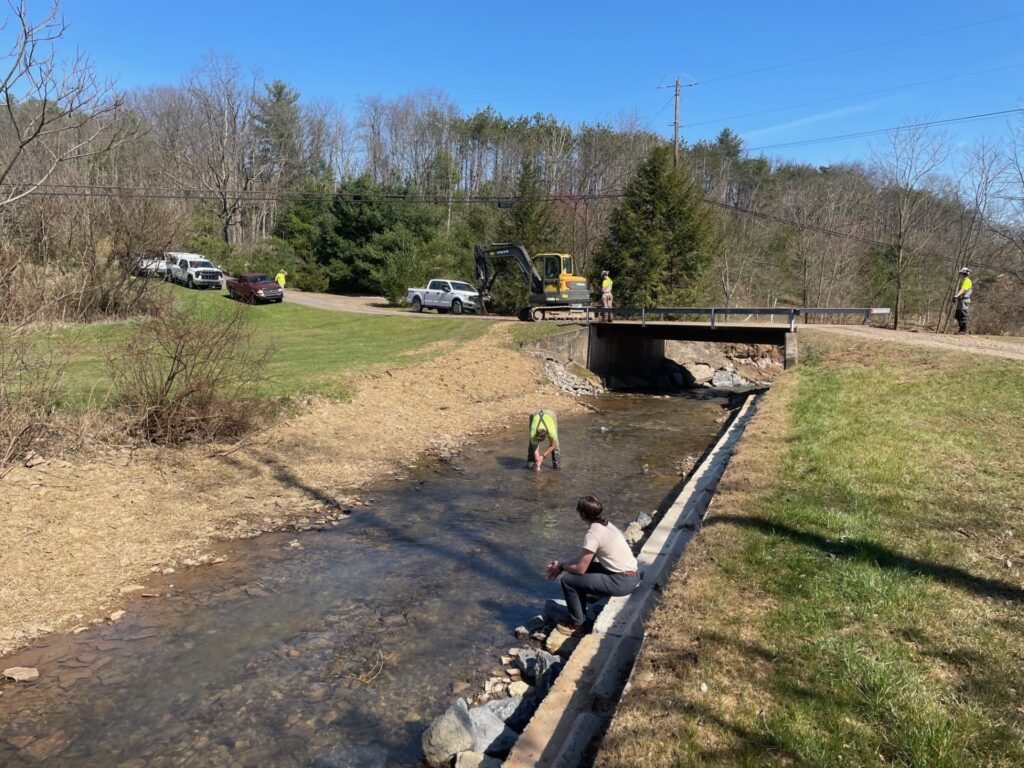
NPC and W&L Subaru work together to clean up the streambanks of Turtle Creek

In the midst of planning NPC’s recent benefit, “A Night for Nature,” we had the opportunity to collaborate with the dynamic team from W&L Subaru in Northumberland, PA. Their commitment to supporting NPC’s conservation efforts aligned perfectly with their Subaru Loves the Earth program, making them enthusiastic top-tier sponsors right from the start!

However, our partnership didn’t stop there; W&L Subaru’s dedication to the environment and their communities inspired us to explore more ways that we could work together to make a difference.

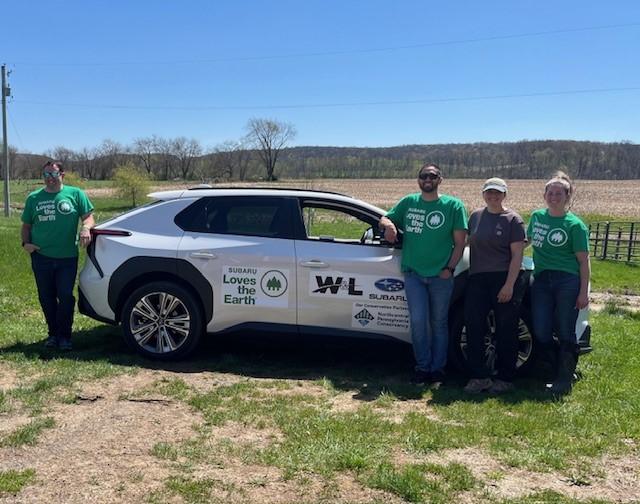
On April 16, 2024, W&L Subaru joined NPC and some of our ‘Stream Team’ partners to help clean up the streambanks of Turtle Creek. It was a warm, spring day and their crew showed up ready to WORK, helping to clear debris and remove invasive plants from the riparian buffer along the stream bank.

Riparian buffers play a vital role, acting as natural sponges that filter stormwater runoff and absorb precipitation. By anchoring the soil in place, the roots of these plants minimize erosion into the stream, contributing to cleaner, healthier water for our communities.

W&L Subaru’s proactive spring maintenance not only supports the growth of new plantings but also ensures they thrive and fulfill their ecological functions. Their involvement underscores a shared commitment to environmental stewardship, promoting the well-being of both nature and local communities.

Partnerships like these exemplify the power of collective action in driving positive change. This project is just the first of a series of conservation and enhancement projects that NPC and W&L Subaru will be tackling together throughout the year! Thank you, W&L Subaru, for your dedication and support!

P.S. Did we mention they put NPC on a car! How cool is that?! 🙂

NPC Awarded Grant to Improve Local Water Quality

We are thrilled to share that NPC has been awarded a $450,000 Growing Greener Plus grant from the state! This funding will fuel NPC’s ongoing efforts, as part of the Northcentral Stream Partnership, to enhance our region’s local water quality.

Growing Greener is the largest single investment of state funds in Pennsylvania’s history to address critical environmental concerns. “The Growing Greener Plus grant program empowers communities to pursue environmental progress and innovation,” said Interim Acting Secretary Jessica Shirley. “This support fuels vital Pennsylvania initiatives that protect our land and restore local watersheds. As a result, our Commonwealth can look forward to a greener future.”

With this grant funding, NPC will continue work to stabilize eroded streambanks, restore floodplains impacted by agriculture, and implement essential best management practices. These include exclusionary fencing, riparian buffers, and reinforced stream crossings, all aimed at safeguarding our precious water resources and supporting our local ecosystems.

Want to dive deeper into the impactful work of NPC and the Northcentral Stream Partnership? Explore further here!

Curious to learn more about the Growing Greener funding? Click here!

Steady Progress in 2023 Helps Improve Local Water Quality

That catchy phrase, “team work makes the dream work,” always comes to mind when reflecting at the end of another construction season.  The “team” in this case, is the Northcentral Stream Partnership, a partnership consisting of state agencies, county conservation districts, willing landowners, and NPC.  The “dream” – healthy water resources for our communities.

Like most dreams, progress takes time.  Fortunately, the Northcentral Stream Partnership came together in 2009, and year after year, has been steadily bringing the region’s waterways back to health while maintaining a working agricultural landscape.

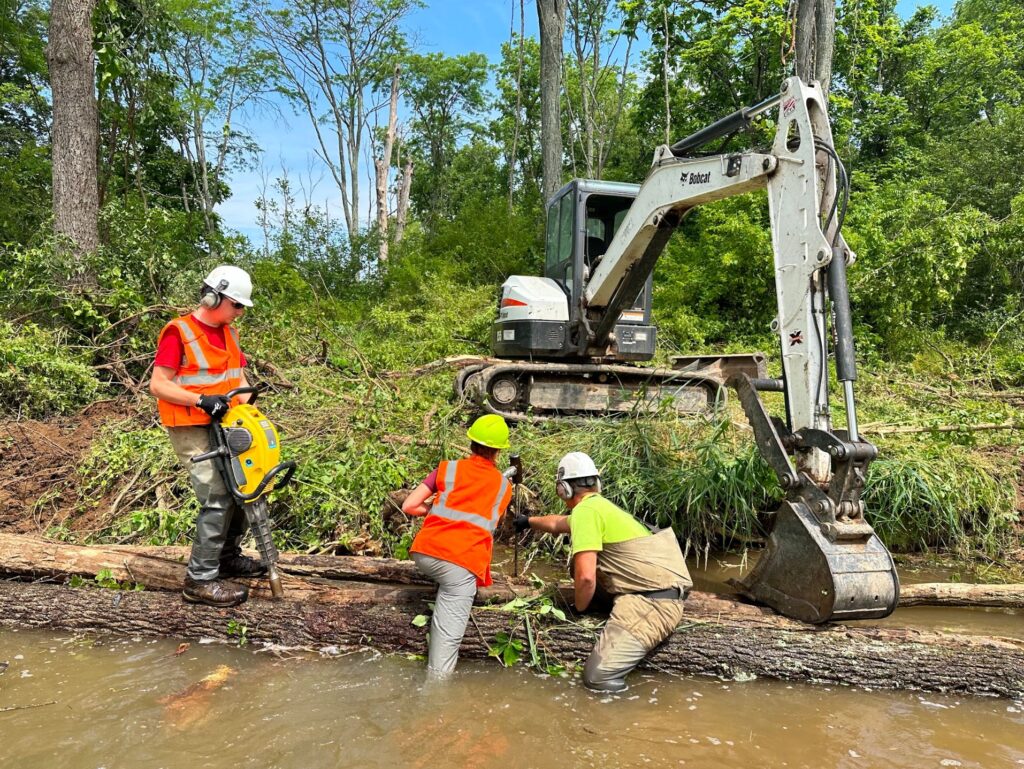
The team works to secure an in-stream log structure with rebar.

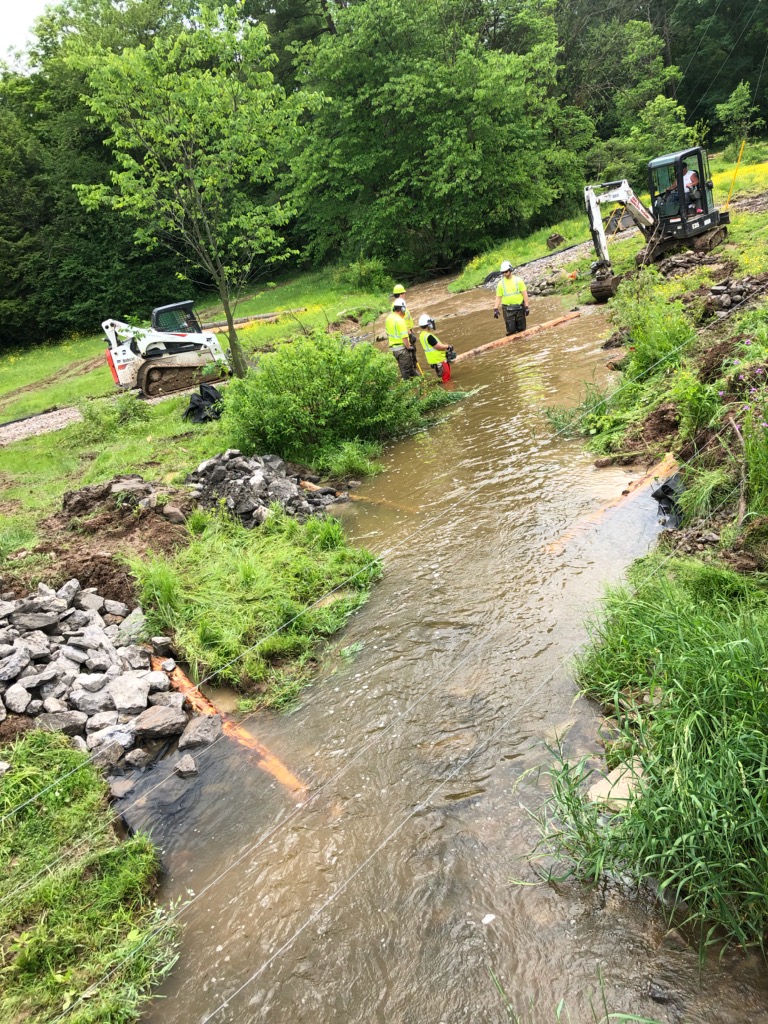
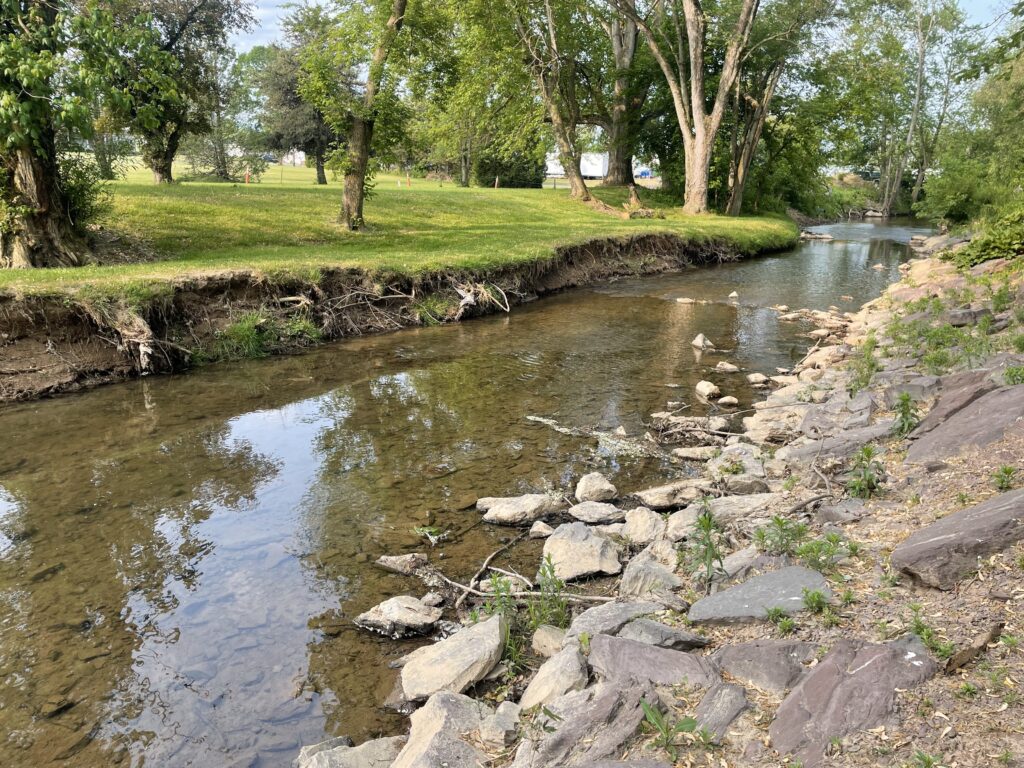
The Partnership didn’t waste any time getting the 2023 stream season underway in March at project sites in Northumberland and Montour Counties. Here, landowners were seeing their streambanks wash away with each high water. Eroding streambanks cause sediment to wash into the streams. This sediment smothers aquatic life, leads to habitat loss, clouds the water, and creates higher levels of nutrients.  To combat the issue, The Pennsylvania Fish and Boat Commission developed designs for the sites using in-stream stabilization structures (i.e. log vanes and mudsills). The Northumberland County Conservation District and Montour County Conservation District worked with the landowners and coordinated the materials needed for the project. NPC organized the project and administered the funding provided by the Pennsylvania Department of Environmental Protection’s Growing Greener Grant program.  (And yes, despite insulated waders to help keep everyone warm, the water in March is still quite chilly!)

Before: Steep, undercut banks lead to further erosion.
After: In-stream log structures stabilize the streambank.

Applying this same model, the Partnership’s work continued in Columbia County on Hemlock Creek and the East Branch of Briar Creek. The Partnership has been able to work with several landowners in other stretches of Hemlock Creek over the last several years.

The East Branch of Briar Creek was another stream the Partnership re-visited in 2023. This year’s project included both streambank stabilization and planting trees for a riparian buffer.  Columbia County Conservation District coordinated getting the materials to the site and worked with the landowner throughout the process.

Before: An eroding streambank in Columbia County.
After: Gently sloped banks let the stream access its floodplain.

The Tioga County Conservation District organized a project on Canoe Camp Creek. This year’s project built on work done over the years by the Tioga County Conservation District and a past partnership project. While the work happened in May, the group gave a tour of projects in the watershed in mid-November to legislators.

Little Shamokin Creek Watershed Association hosted another project at their property in Northumberland County. They’ve collaborated with the Partnership numerous times over the years helping to find landowners to work with as well as allowing projects on their own property.

Normally projects take place on private properties where most people can’t follow progress and see the stream improve. This year, however, we had a project in a Township park. The Union County Conservation District helped coordinate with East Buffalo Township at their new Turtle Creek Park.  The project occurred right along a walking path in the park where the public will be able to watch the stream improve. A live stake planting done in the weeks following the stream project has really started to take off already!

Schwaben Creek in Northumberland County was another stream where the Partnership built off the success of past year’s projects. During last year’s project on Schwaben Creek the neighbors stopped in and asked if their properties might be candidates for future work. Well, indeed they were, and became the 2023 project site on Schwaben Creek!

In October, the Partnership wrapped up the construction season on Susquehecka Creek.  The Snyder County Conservation District took the lead on the project, securing the permits, organizing supplies, and walking the landowner through the process.

In the off-season, the Pennsylvania Fish and Boat Commission will be visiting sites and creating designs for 2024 and 2025.  Once the designs for the 2024 projects are complete, the PFBC will have an estimate on how many days projects will take. That information will allow a schedule for the 2024 season to be drafted.

That’s right; we are already talking about 2025! The designs are needed to generate supply lists and supply lists are needed to create budgets. Getting the designs and supply lists now, allows partners to think through funding and apply for grants and other funding opportunities.

The Partnership has funding to get started with the 2024 construction season. NPC submitted an application to the Pennsylvania Department of Environmental Protection earlier this year for funding to continue the Partnership’s work.  Grant announcements should be made in January…just as we’re mentally preparing to step our boots back in those frigid March waters!

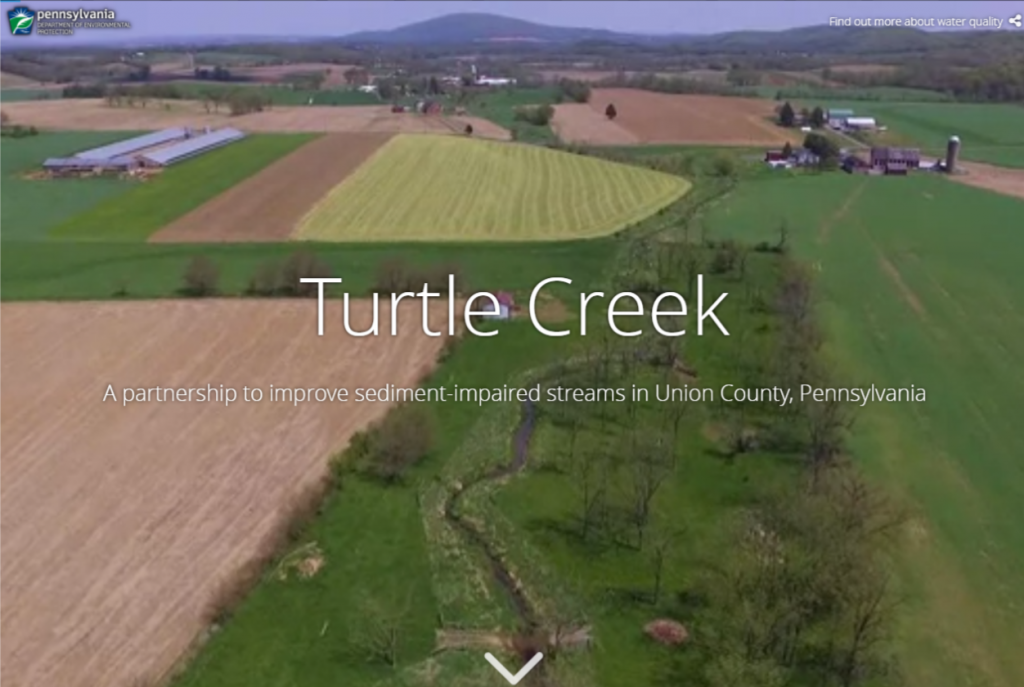
Celebrating Turtle Creek

“Everyone does a little, so no one has to do it all.”

Turtle Creek Partnership motto

A partnership led by NPC and including state agencies, county conservation districts, non-profit organizations, and willing landowners joined forces to tackle the challenge of bringing Turtle Creek back to health while maintaining a working agricultural landscape. Together, we’ve focused a sustained investment on this waterway as part of a larger effort within Pennsylvania’s North-Central region. What we’ve learned can help other Pennsylvanians improve their local waterways too!

Click the image to learn more about the Turtle Creek story.

As a member of NPC you are playing a major part in the efforts to provide clean, quality water to our communities.  We hope you are as proud of this shared success as we are!

Not already a NPC member? Join us today!